China's 10-Seat Electric Aircraft Takes Flight in Shanghai
A gigantic electric drone the size of a small airplane just completed a test flight in China, carrying enough seats for 10 passengers and showing what the future of flying taxis might actually look like. The 5-ton Matrix aircraft could transform how we travel through cities, though experts say we're still a few years away from booking our first sky ride.
China just flew the largest electric aircraft ever built in the country, and it looks like something straight out of a sci-fi movie coming to life.
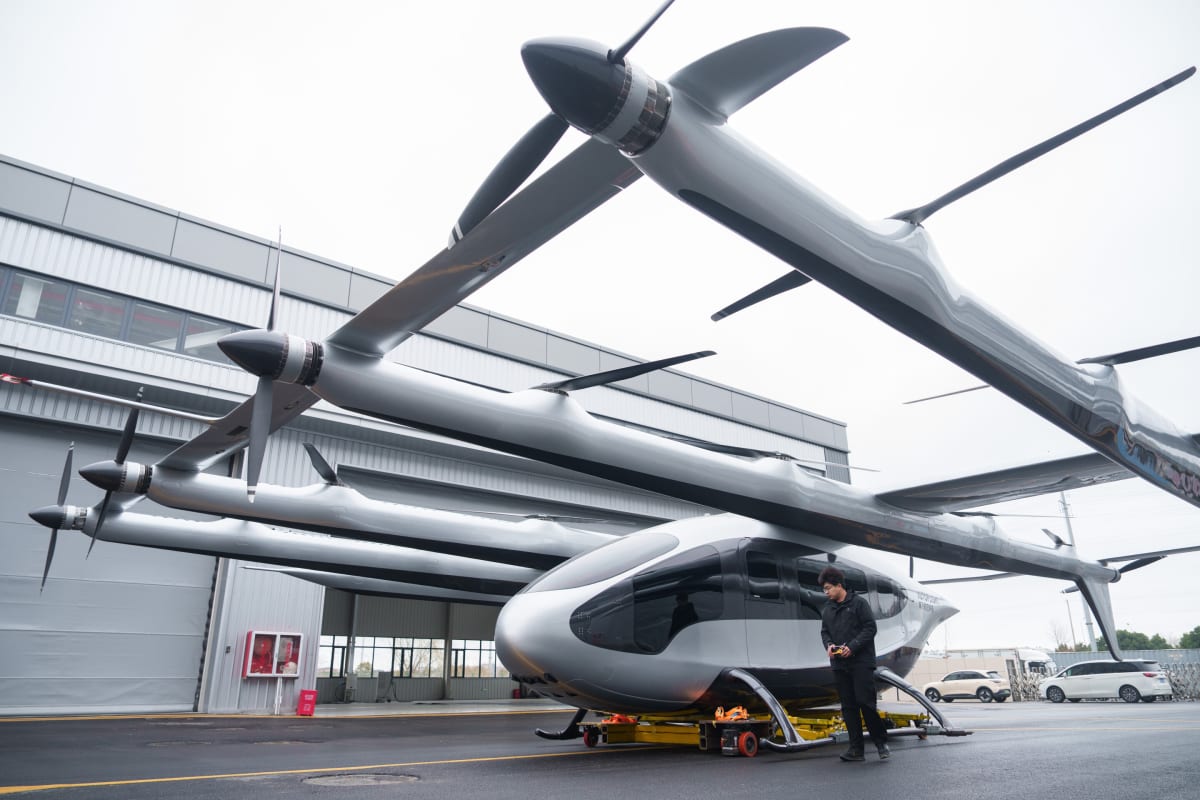
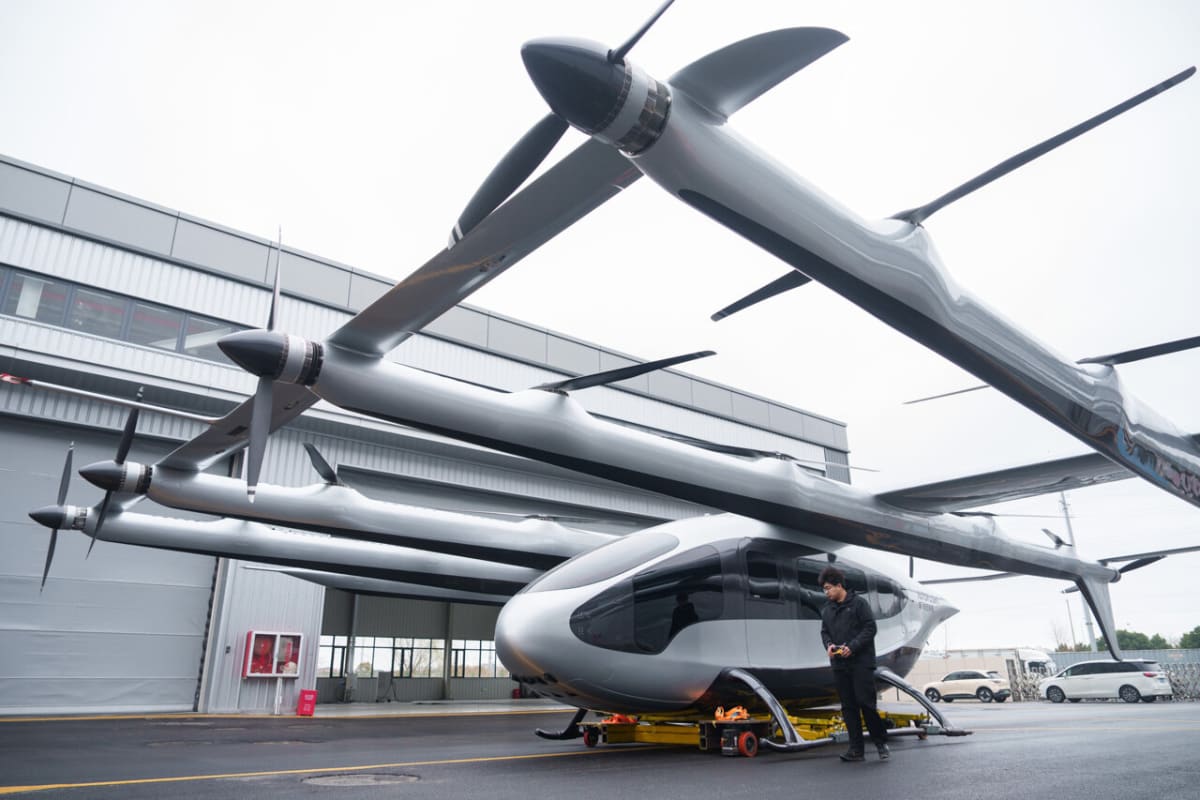
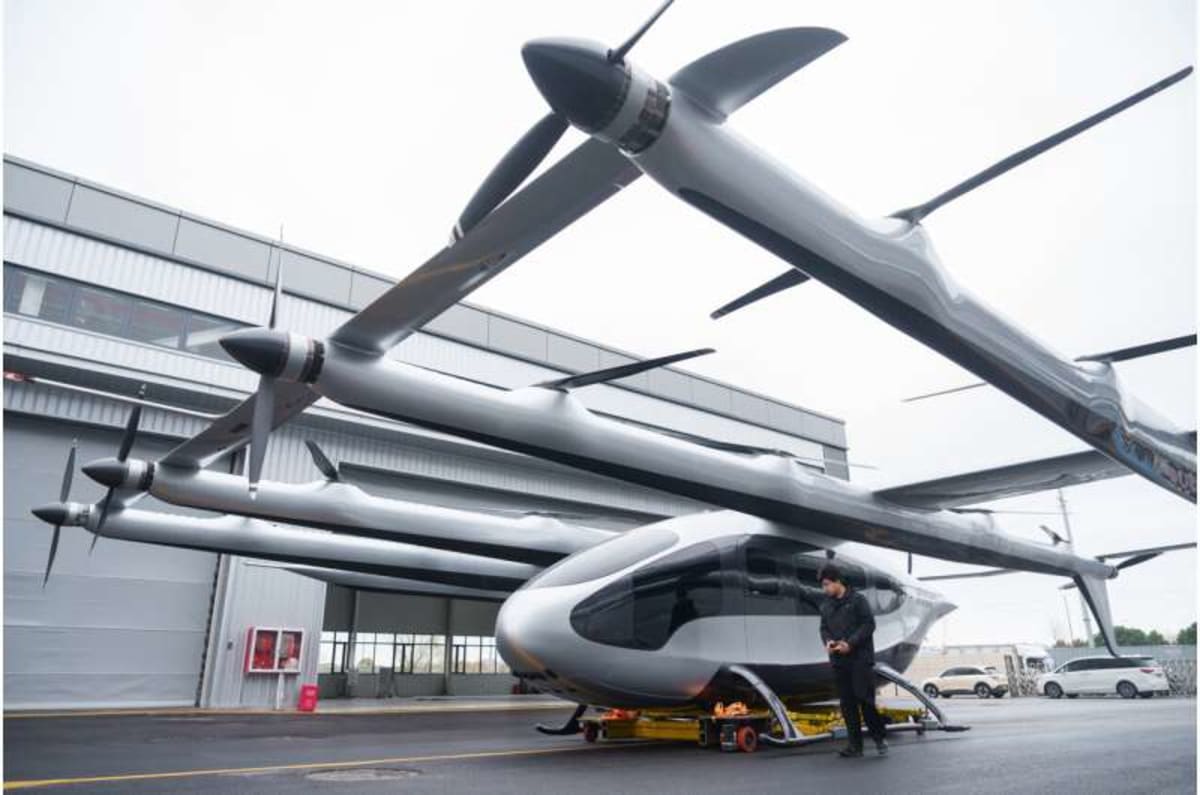
The Matrix, developed by Shanghai-based company AutoFlight, lifted off smoothly from a helipad near Shanghai in February 2026. With a wingspan longer than a school bus and room for 10 passengers, this electric vertical takeoff and landing vehicle (eVTOL) represents a major step toward making flying taxis a reality.
The aircraft's test flight lasted about 10 minutes, circling the heliport twice before landing without any problems. Staff described it as noisy but quieter than a traditional helicopter, an important detail for future use over crowded cities.
AutoFlight has been working on this technology since 2017, and the results are impressive. The Matrix stands 11 feet tall, stretches 56 feet long, and can fly for a full hour on a single charge. The company already has a smaller 2-ton version waiting for safety certifications.
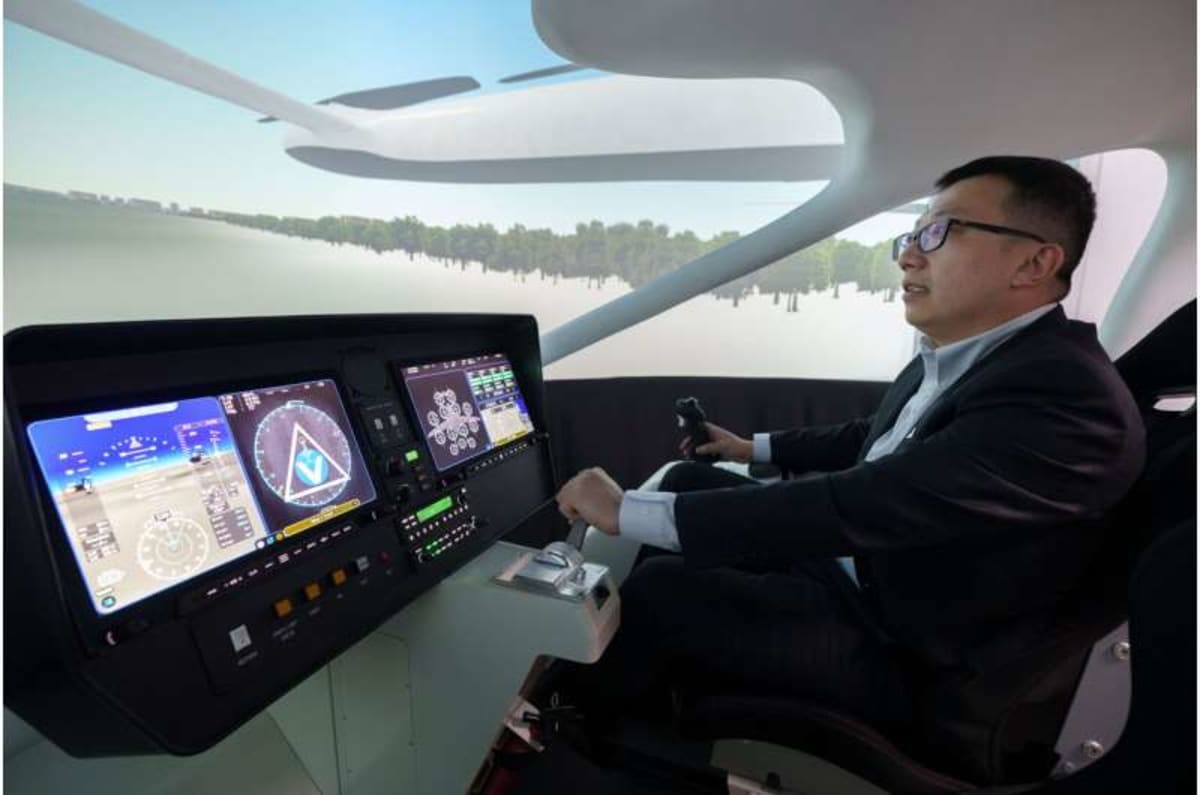
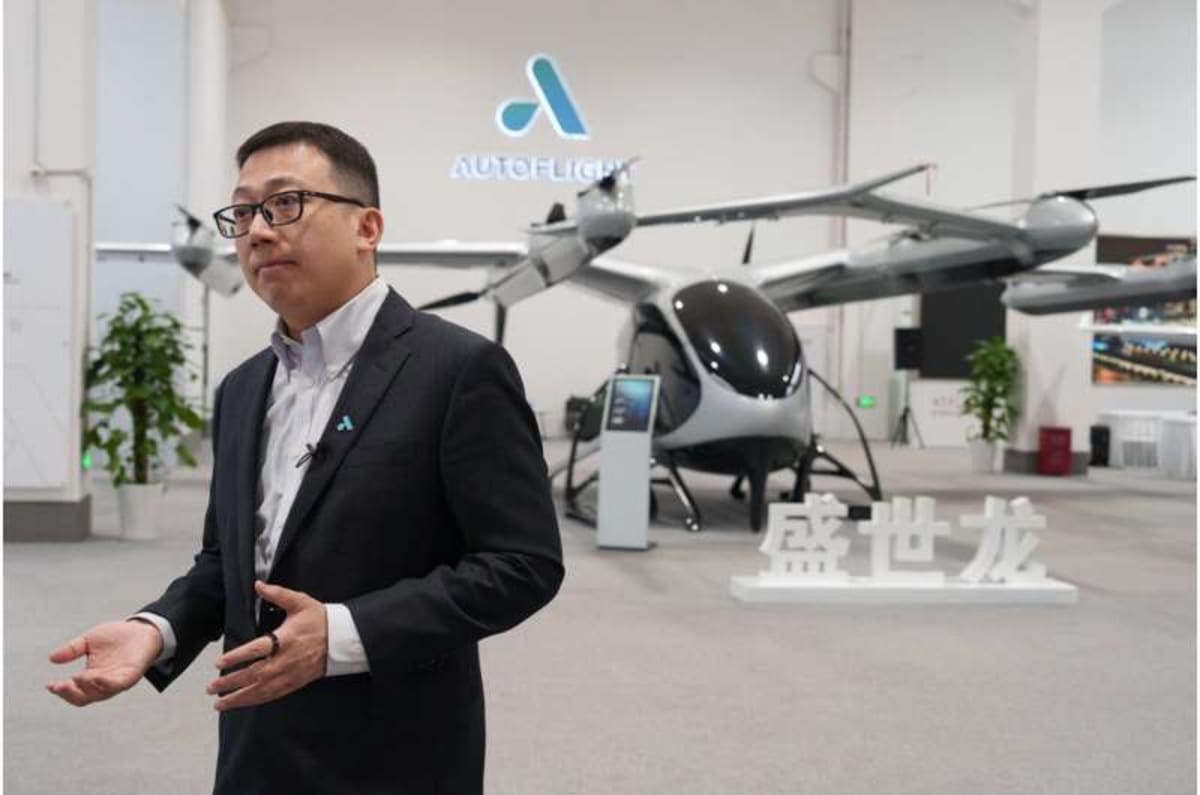
But when will you actually be able to hail a flying taxi? That's the complicated part. Steven Yang, AutoFlight's senior vice president, expects his company to receive a type certificate from regulators by 2027, proving the aircraft meets safety standards. However, additional permits will be needed before passengers can climb aboard.
Several other Chinese companies are racing toward the same goal. EHANG, based in Guangdong province, has already received certification to offer commercial passenger services, though they haven't started flying customers yet.
The Ripple Effect
The technology is already changing parts of China in unexpected ways. In Shenzhen, drones now deliver food to hungry customers, showing that the "low-altitude economy" isn't just a dream but a growing reality.
Gary Ng, a senior economist who tracks the industry, believes the biggest challenges aren't technical. Cities need landing pads, charging stations, and air traffic systems designed for hundreds of aircraft sharing the sky. He estimates it will take at least three more years before the technology becomes truly viable for everyday use.
China's push into electric aviation could reduce carbon emissions from transportation while solving urban congestion problems. If successful, the technology could spread to cities worldwide, offering a cleaner alternative to ground-based taxis and short-distance flights.
AutoFlight remains optimistic but realistic about the timeline. Yang emphasized that making flying taxis commonplace isn't just one company's job but requires building an entire ecosystem of support services, regulations, and infrastructure. After watching the Matrix demonstration glide through the air and land safely, that future feels closer than ever before.
More Images
Based on reporting by Phys.org - Technology
This story was written by BrightWire based on verified news reports.
Spread the positivity!
Share this good news with someone who needs it