Massachusetts EVs Could Earn $12K While Parked
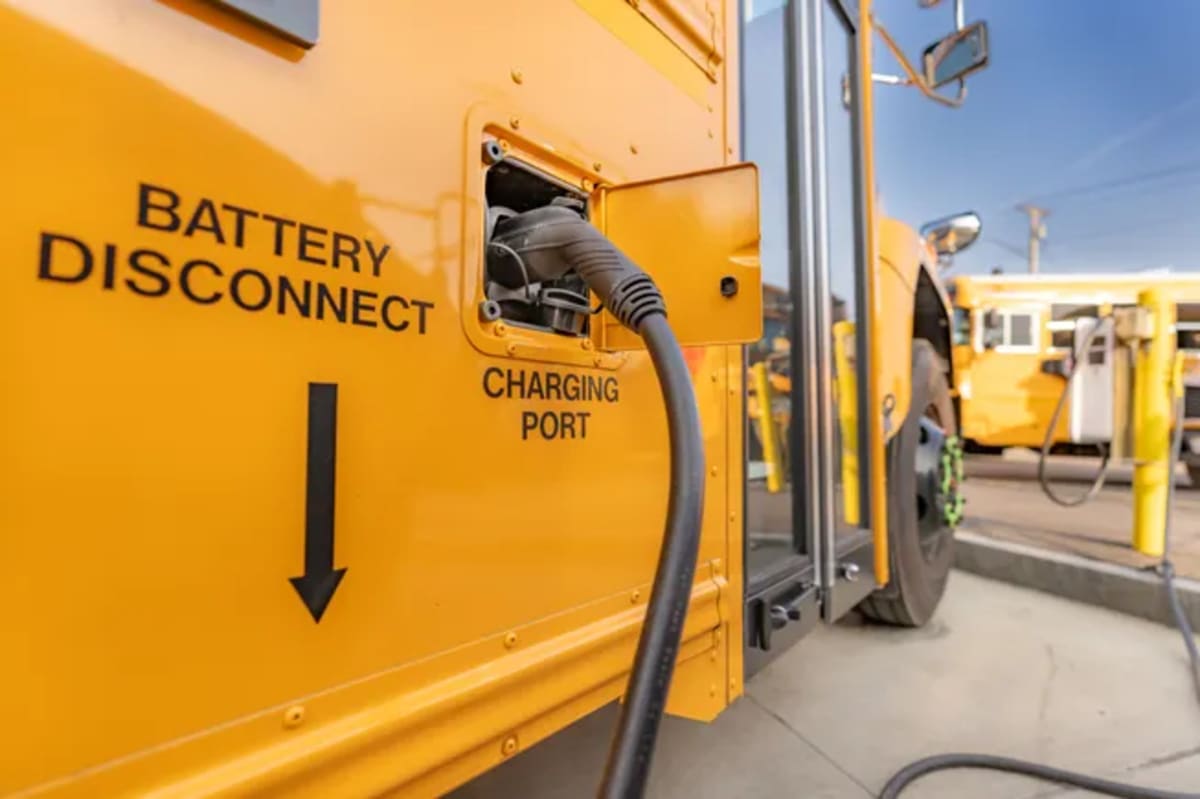
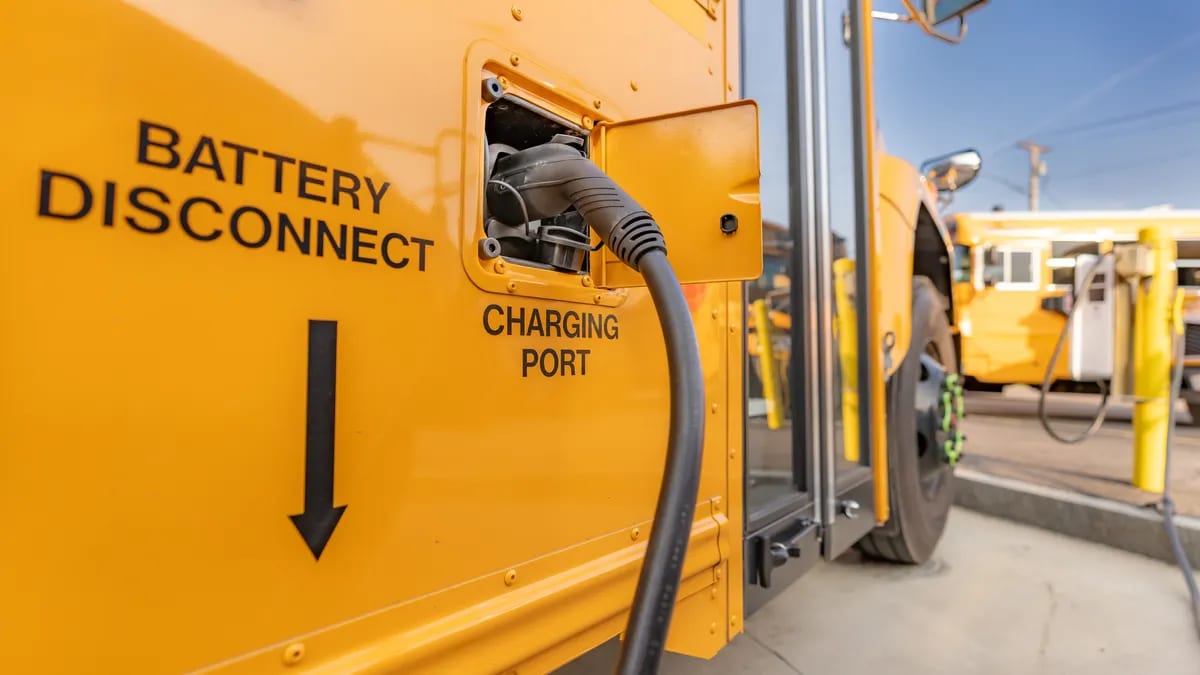
Electric school buses in Massachusetts are earning up to $12,000 annually by feeding power back to the grid during hot summer days. One bus generated $23,500 over two summers, hinting at a future where your parked car could pay for itself.
Imagine your school bus not just transporting kids, but earning thousands of dollars while sitting in the parking lot. That's exactly what's happening in Massachusetts, where electric vehicles are transforming into mini power plants that strengthen the grid and put money back in owners' pockets.
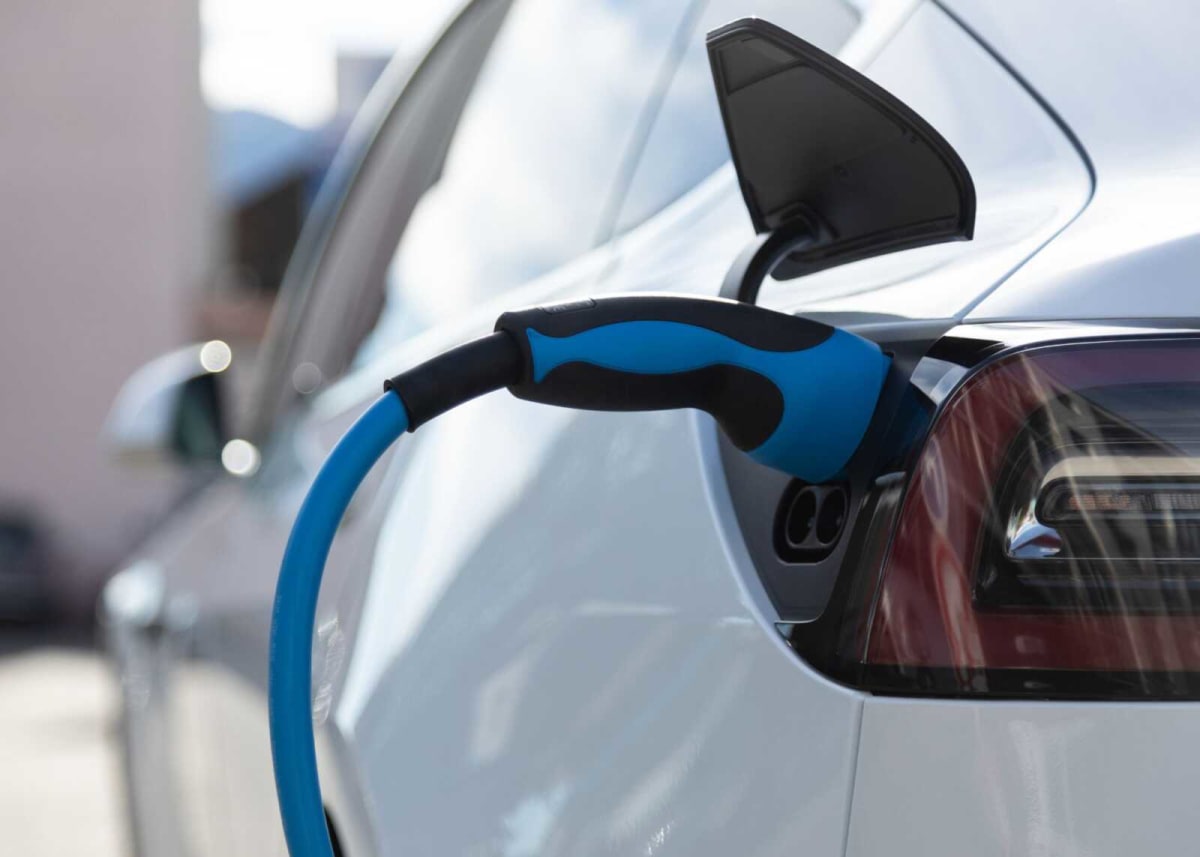
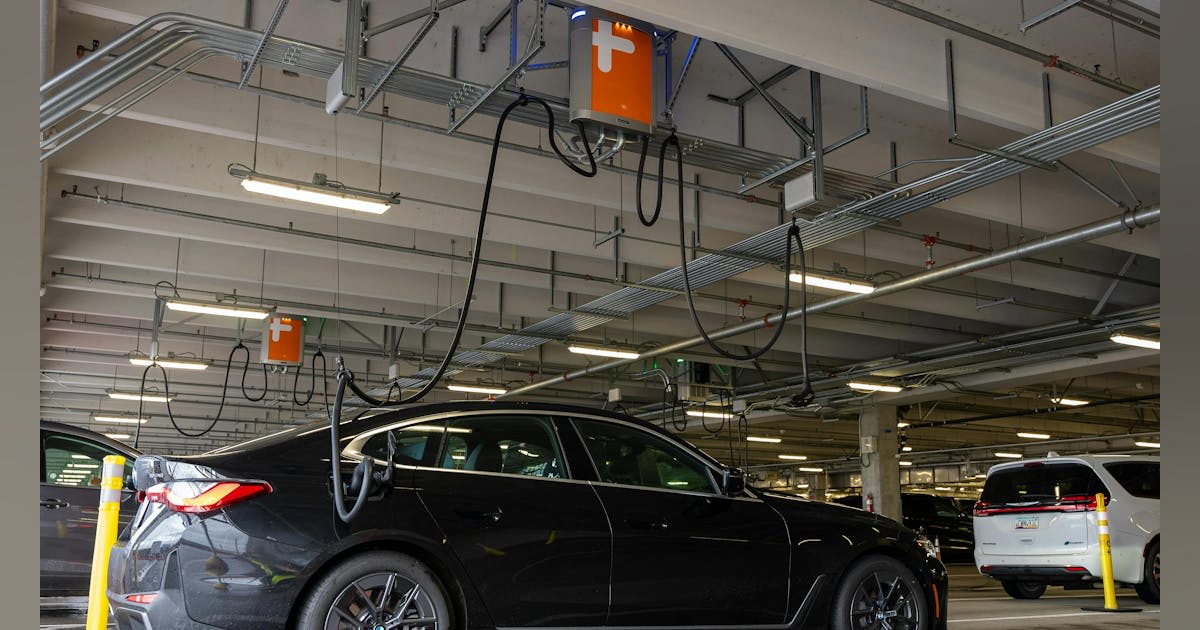
Massachusetts just launched a two-year program installing bidirectional chargers at no cost to residents, schools, and towns. These special chargers let EVs send stored battery power back to the grid when demand spikes, typically during sweltering summer afternoons when air conditioners run full blast.
The results are already turning heads. A single electric school bus in Beverly discharged enough power over two summers to earn $23,500. With buses sitting idle during peak summer months, they're perfectly positioned to help power the grid when it needs backup most.
The program includes over 45 Massachusetts residents, five school districts, and four municipal entities. By summer's end, 70 to 80 bidirectional chargers will be installed across the state. Vehicles from Ford F-150 Lightning trucks to Nissan Leaf hatchbacks can participate, along with five electric school bus models.
Elijah Sinclair, who manages the program for the Massachusetts Clean Energy Center, says the economics are finally making sense. Regular passenger vehicles enrolled in the state's ConnectedSolutions virtual power plant could earn around $3,000 each summer. School buses with their larger batteries could hit $12,000 annually.
The money comes from providing exactly what the grid needs most: extra power during peak demand. Instead of firing up expensive backup generators on hot days, utilities can tap into thousands of parked EVs. Each vehicle owner controls how much battery they're willing to share, ensuring they still have plenty of juice for their daily drives.
The Ripple Effect
This pilot could reshape how Americans think about vehicle ownership. Massachusetts has roughly five million vehicles on the road. Even if a fraction participated, the combined battery power would rival traditional power plants, all while reducing strain on the grid and cutting emissions.
Other states are catching on fast. Pacific Gas & Electric in California runs three bidirectional programs. Maryland passed a law two years ago requiring utilities to speed up bidirectional charger installations and welcome customer vehicles into virtual power plants.
The $50 million federal funding behind Massachusetts' program came from the American Rescue Plan. State officials specifically chose this project to build "the EV charging network of the future," moving bidirectional charging from laboratory experiment to something any homeowner can use.
Utilities are still learning the balance between pulling power from vehicles during emergencies while ensuring owners can drive when needed. But Sinclair sounds confident they'll figure it out. EV batteries dwarf typical home battery systems, meaning even tapping a small portion creates significant grid support when multiplied across thousands of vehicles.
School districts watching their budgets closely are taking notice, and Sinclair predicts electric school bus adoption could accelerate rapidly as the financial case strengthens.
The future of energy might just be sitting in your driveway.
More Images
Based on reporting by Google News - Electric Vehicle
This story was written by BrightWire based on verified news reports.
Spread the positivity!
Share this good news with someone who needs it