China's AI Tracks Carbon Emissions in 196 Countries
Chinese scientists just released an AI system that tracks carbon emissions across global supply chains, helping companies cut costs while fighting climate change. The breakthrough could reshape how the world measures environmental impact.
A new artificial intelligence model can now track carbon emissions from factory floors to finished products anywhere in the world, potentially saving companies millions while protecting the planet.
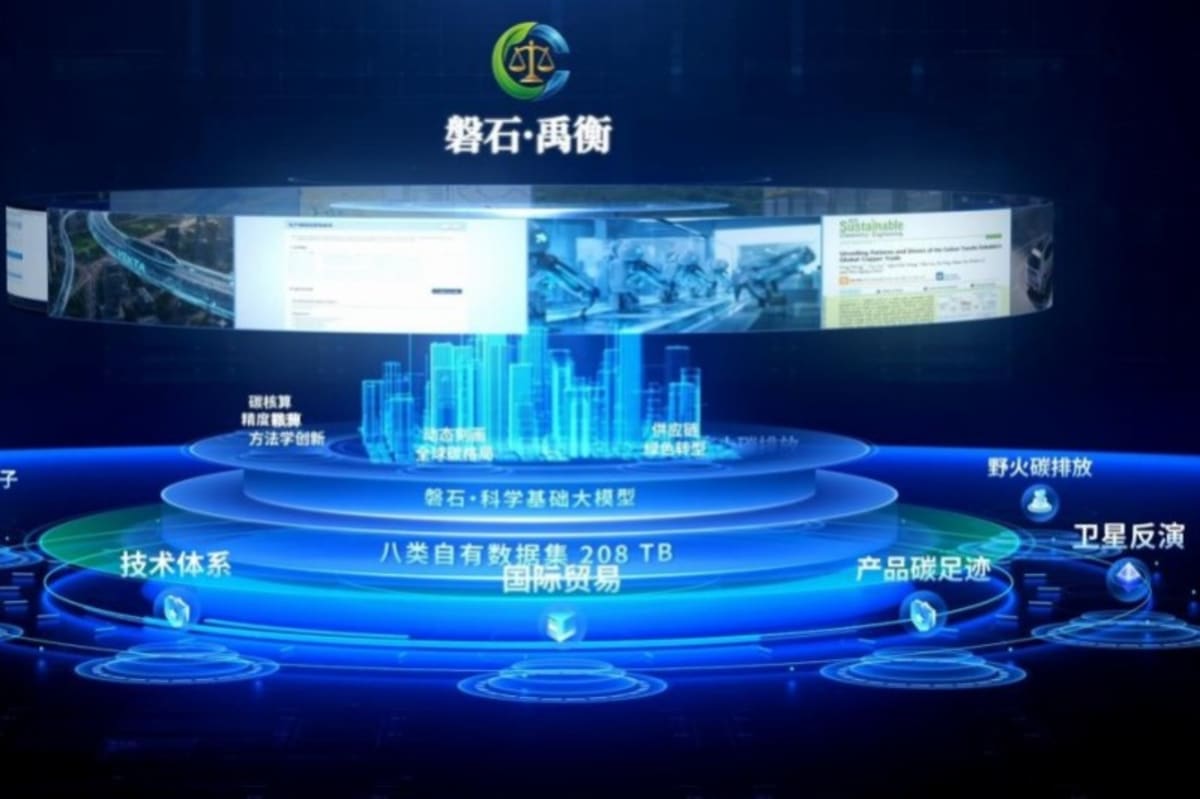
Chinese researchers at the Shanghai Advanced Research Institute unveiled the groundbreaking system on Wednesday. The AI model contains 32 billion parameters, making it powerful enough to simulate entire production chains and calculate environmental impacts in real time.
The system works like a "carbon accounting butler" for businesses. Instead of spending months and substantial money on traditional carbon tracking, companies can now instantly see where emissions happen and find the cheapest ways to cut them.
Five specialized AI agents power the model. One simulates factory operations to find efficiency improvements. Another tracks how carbon moves between countries through trade. A third calculates a product's total environmental footprint from raw materials to disposal. The system also measures carbon absorbed by natural resources like forests and verifies data accuracy.
The timing couldn't be better for Chinese exporters. The European Union recently started charging carbon taxes on imported goods like steel and cement. Without precise emission data, companies face higher default rates that often overestimate their actual carbon output.
Chinese steel producers exemplify this challenge. EU estimates frequently peg their emissions far higher than reality, making their products appear less environmentally friendly than they truly are. The new AI provides verified data that could save these companies substantial money in carbon taxes.
The Ripple Effect
The model introduces a game-changing concept called consumption-based accounting. Current international standards blame emissions on countries where factories sit. This new approach tracks "embedded carbon" in finished products, showing that buyers share responsibility too.
Consider this striking example. In 2024, manufacturing Chinese wind turbines and solar panels created 2 million metric tons of carbon. Those same products will help reduce global emissions by 350 million tons during their use. Traditional accounting only counts the manufacturing emissions, missing the bigger environmental victory.
Researcher Gao Yunhu said this shift transforms emissions reduction from a financial burden into a competitive advantage. Companies can pinpoint exactly where to deploy green technology for maximum impact while minimizing costs.
Zhang Xian from China's Agenda 21 Administrative Center noted that current accounting unfairly attributes export-related emissions to manufacturing countries. Meanwhile, developed nations consuming those products escape responsibility. The new system quantifies these "carbon leaks" in global trade.
The breakthrough provides technical firepower for climate negotiations. By offering precise, verified data instead of estimates, the model could reshape international discussions about who bears responsibility for global emissions.
Shanghai Environment and Energy Exchange chairman Lai Xiaoming emphasized the practical benefits. The system improves market monitoring, quota verification, and policy assessment while supporting green trade and carbon pricing worldwide.
Companies can now see their environmental impact with unprecedented clarity. This transparency helps them make smarter decisions, reduce waste, and prove their green credentials to customers and regulators alike.
More Images

Based on reporting by Google News - Emissions Reduction
This story was written by BrightWire based on verified news reports.
Spread the positivity!
Share this good news with someone who needs it