China's Chang'e 7 Aims for Historic Moon Pole Landing
China is preparing to land the first spacecraft directly at the moon's south pole, where it will hunt for water ice that could reshape future lunar exploration. The ambitious Chang'e 7 mission launches August 24 and could position China as the leader in lunar science.
China is about to make history at a place no spacecraft has ever touched: the exact south pole of the moon.
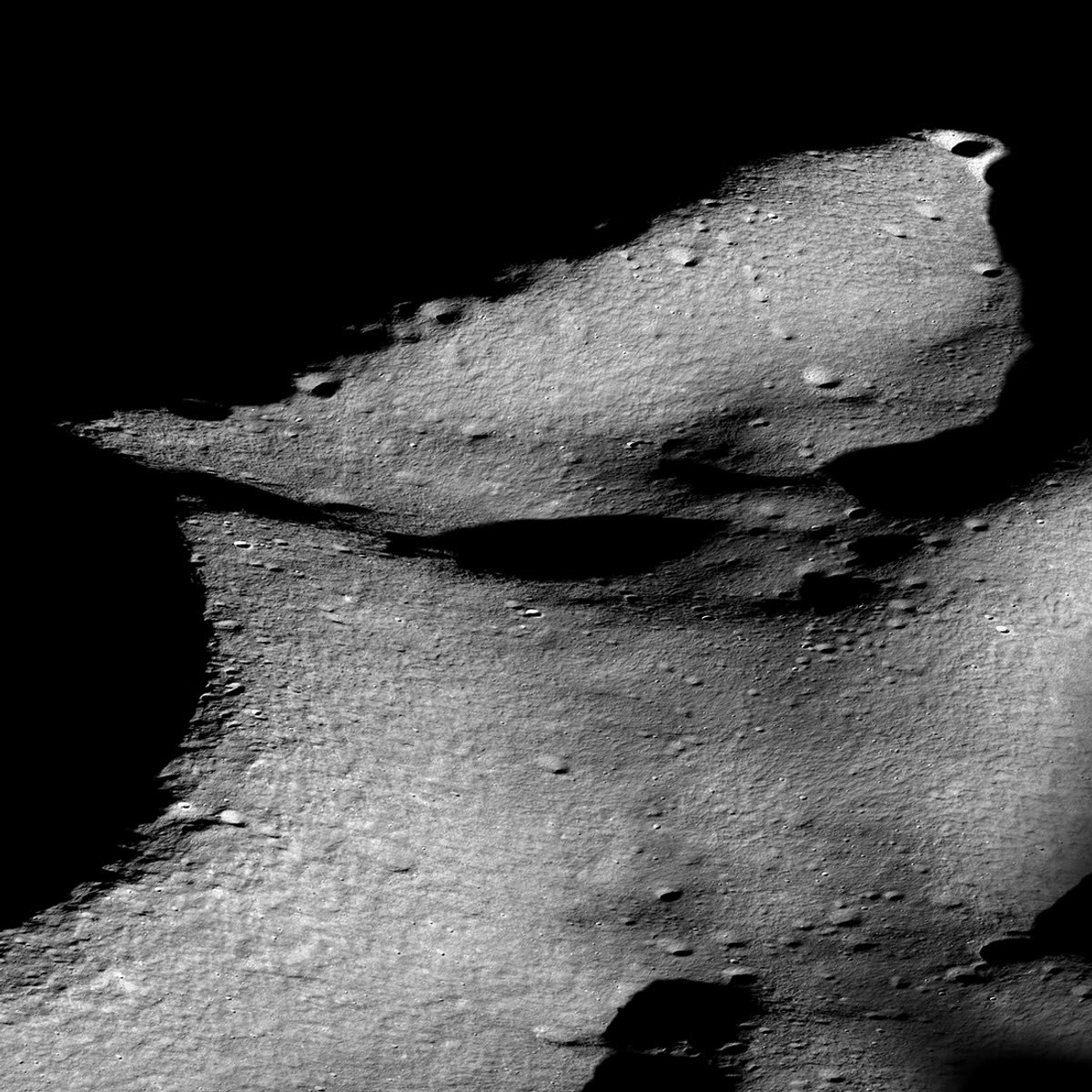
The country's Chang'e 7 mission, launching August 24, will be the first to land directly at the lunar south pole, where it will search dark, frozen craters for water ice. What it discovers could determine where humanity builds the next generation of moon bases.
"It's an amazing mission," says Norbert Schorghofer, a senior scientist at the Planetary Science Institute. "There has never been a landed mission to find water [on the moon]."
The spacecraft carries an orbiter, a lander, a rover, and something truly novel: a six-legged "hopping" robot that will use rocket thrusters to jump up to nine miles at a time. The hopper will leap into permanently shadowed craters where sunlight never reaches and temperatures hover just dozens of degrees above absolute zero.
Chang'e 7 will target Shackleton Crater, a 13-mile-wide pit whose rim grazes the moon's south pole. After landing at a flat, sunlit spot this November, the rover will scan the ground with radar while the hopper explores the shadowy deeps with a drill, searching for ice buried in the soil.
The Ripple Effect
The mission represents more than a scientific milestone. Both the United States and China plan to build crewed lunar outposts near the south pole, and the water ice hidden there could be transformed into drinking water or rocket fuel for deep space missions.
NASA's Artemis program and China's International Lunar Research Station are both counting on those frozen reserves. But no one knows exactly how much ice exists or where it's concentrated across the crater-pocked landscape.
If China finds substantial ice deposits first, it could gain a major advantage in choosing the best locations for future bases. The discovery would also establish China as the leader in lunar exploration, surpassing decades of American dominance in space science.
The mission includes equipment from several international partners, highlighting China's growing influence in space cooperation. NASA's competing VIPER rover mission to the south pole won't launch until next year, and it faces technical hurdles with its unproven lander and grounded rocket.
Chang'e 7's hopper will be only the second vehicle ever to perform multiple flights on another world, after NASA's Ingenuity helicopter on Mars. Each time it lands, the robot will crawl away from the dust disturbed by its rocket plume to drill into pristine soil.
The quest for lunar ice is transforming from pure science into geopolitical competition, with real consequences for who gets to claim the moon's most valuable real estate.
More Images



Based on reporting by Scientific American
This story was written by BrightWire based on verified news reports.
Spread the positivity!
Share this good news with someone who needs it

%2Ffile%2Fattachments%2Forphans%2FGettyImages-2288690479_128119.jpg)