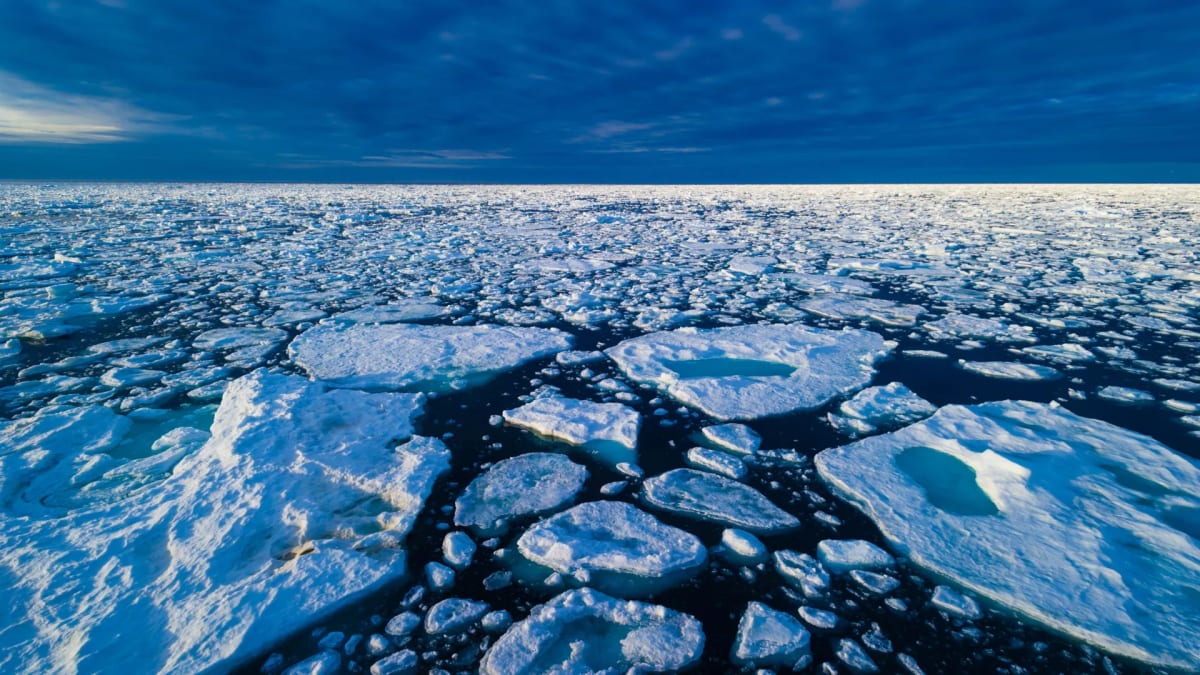
China's Clean Air Push Saves Arctic Ice, Study Finds
China's massive effort to reduce air pollution over the past decade had an unexpected bonus—it helped protect Arctic sea ice. Scientists discovered that cleaner skies changed storm patterns that were devastating ice in the Bering Sea.
For years, thick smog from Chinese factories was doing something scientists never expected—steering powerful winter storms away from the Arctic.
Now that China has dramatically cleaned up its air, new research shows those storms have weakened, giving fragile Arctic sea ice a fighting chance. It's a rare climate win hidden inside another environmental success story.
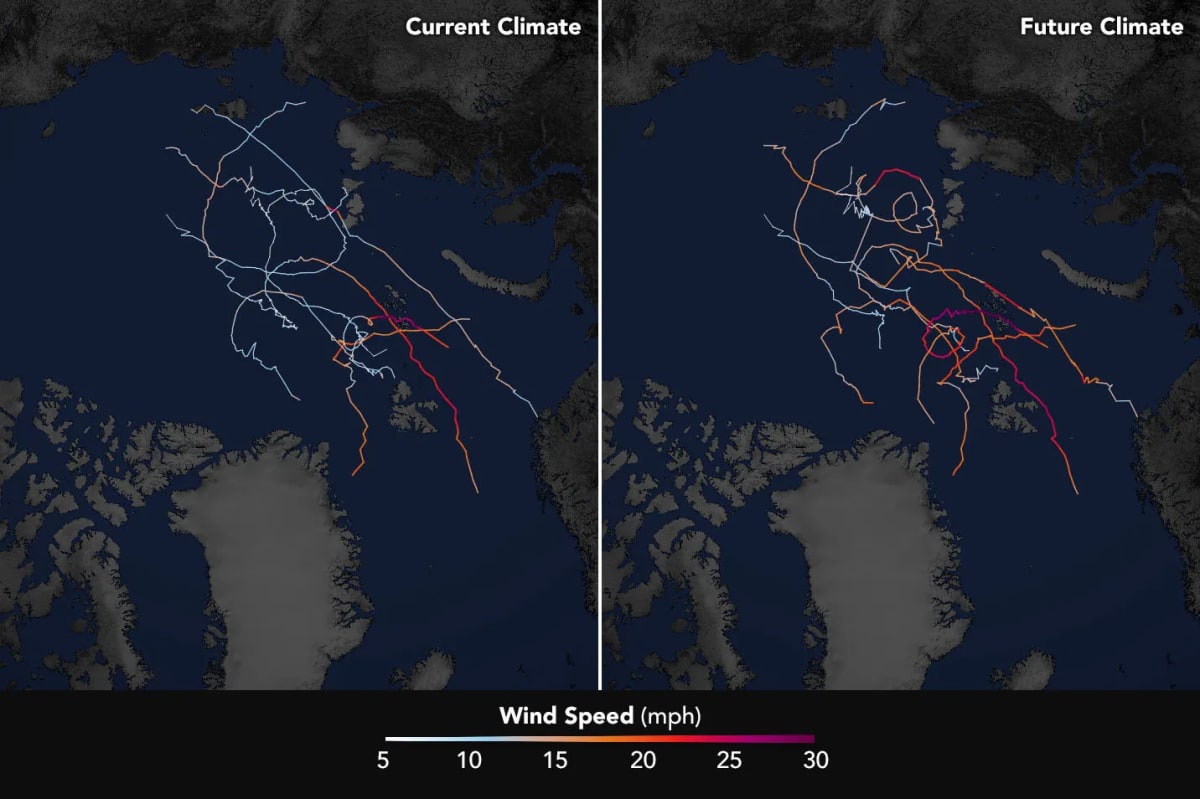
Between 2000 and 2014, pollution particles from East Asia were acting like invisible puppet strings on Pacific storms. The tiny soot and sulfate particles changed how moisture moved inside cyclones, nudging the storms northward and nearly doubling the number that slammed into the Arctic.
When these supercharged storms hit the Bering Sea, the damage was severe. In early 2019, five powerful cyclones swept through in quick succession, breaking apart ice and pushing it northward with warm southern winds. Temperatures soared up to 28 degrees above normal, and ice cover shrank by 82%—the largest satellite-recorded decline ever measured at that time of year.
But as China tackled its air quality crisis over the past decade, something shifted. Cleaner air meant fewer aerosol particles seeding those storm systems, which weakened their northward push and reduced ice destruction in the Arctic.
Lead researcher Dianbin Cao and his team at the Chinese Academy of Sciences analyzed four decades of data and found that high aerosol years pushed storm tracks northward by over one degree of latitude. That small shift made an enormous difference for Arctic ice.
The Bright Side
This discovery proves that environmental improvements in one part of the world can create unexpected benefits thousands of miles away. China's investment in cleaner energy and stricter pollution controls didn't just help its citizens breathe easier—it also bought the Arctic some precious time.
Arctic climate scientist Alex Crawford, who wasn't involved in the study, called the aerosol effect on storm systems "stronger than I might have suspected." The research demonstrates how interconnected Earth's climate systems really are.
The findings offer a silver lining to decades of Chinese pollution: it temporarily slowed some aspects of Arctic ice loss, even while contributing to other climate problems. Now that the air is clearing, we're seeing the full picture of how human activity shapes weather patterns across the globe.
China's success in reducing air pollution shows that large-scale environmental problems can be solved with commitment and action.
More Images



Based on reporting by Live Science
This story was written by BrightWire based on verified news reports.
Spread the positivity!
Share this good news with someone who needs it