China's CO2 Emissions Drop for Nearly Two Years Straight
The world's largest carbon emitter just hit a milestone: China's CO2 emissions have fallen or stayed flat for 21 consecutive months, dropping 1% in late 2025. Clean energy is finally outpacing fossil fuels in the country that produces 30% of global emissions.
The world just got a rare piece of climate news that's actually worth celebrating. China's carbon dioxide emissions have been flat or falling for 21 months straight, marking the longest sustained drop in the country's modern history.
New analysis shows China's total CO2 emissions fell 0.3% in 2025, with a 1% drop in the final quarter alone. This matters enormously because China accounts for roughly 30% of global emissions, meaning what happens there affects every corner of the planet.
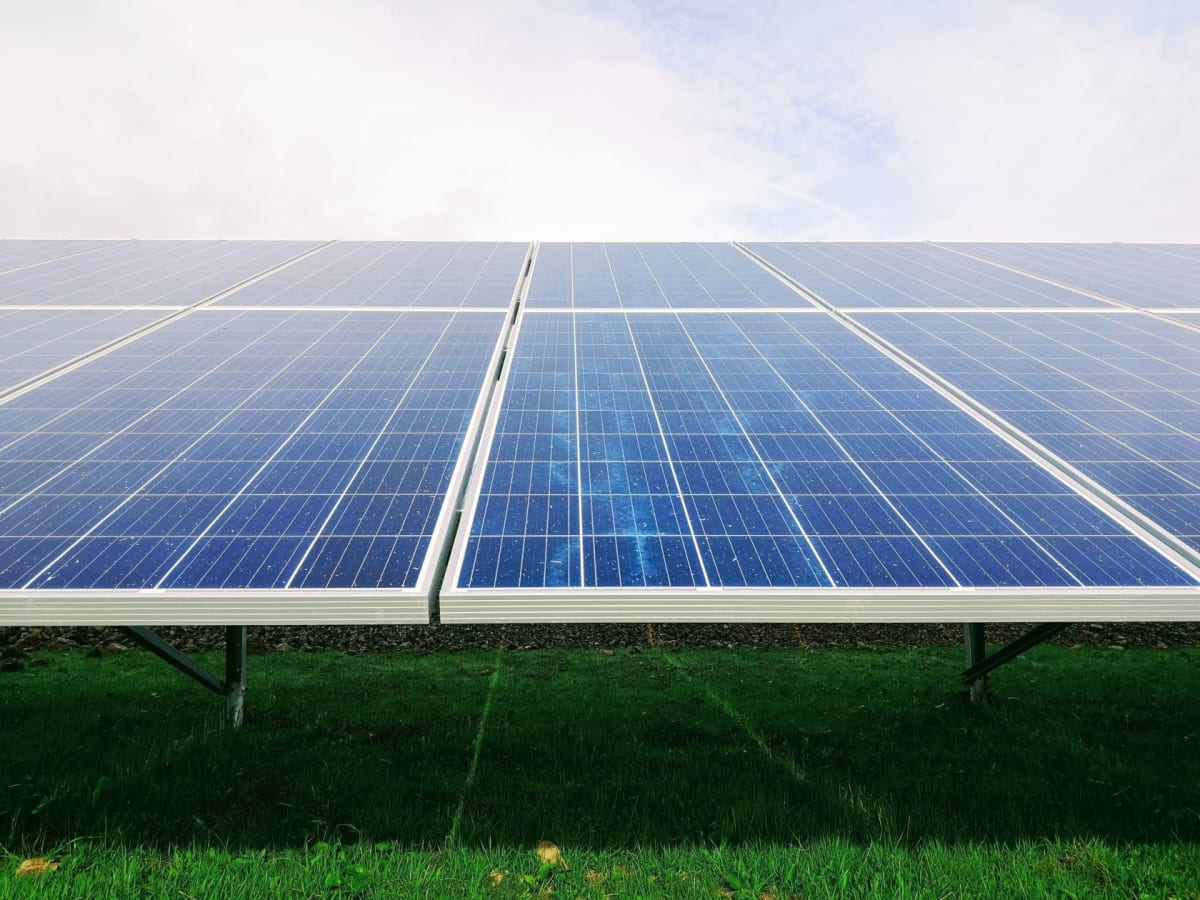
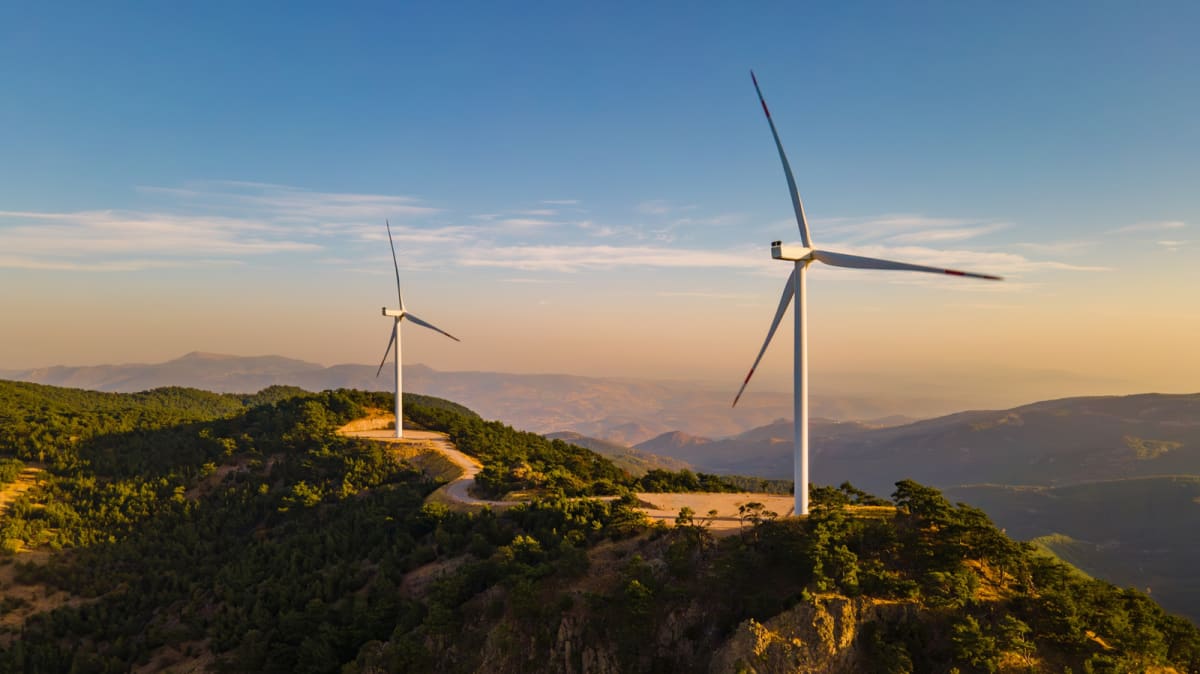
The driving force behind this shift? Clean energy is growing faster than the country can consume it. Solar power output surged 43% last year, wind climbed 14%, and nuclear rose 8%. Together, these gains pushed coal generation down nearly 2%.
Energy storage capacity jumped by a record 75 gigawatts, outpacing the growth in peak electricity demand. For the first time, clean power additions are meeting new energy needs without requiring more fossil fuels.
The changes show up across nearly every major sector. Transportation emissions dropped 3%, power generation fell 1.5%, and building materials like cement declined 7%. Even as the economy grew, it burned less carbon to do it.
The Ripple Effect
This trend creates momentum that extends far beyond China's borders. When the world's manufacturing powerhouse proves that economic growth and falling emissions can happen together, it demolishes the old argument that climate action requires sacrifice.
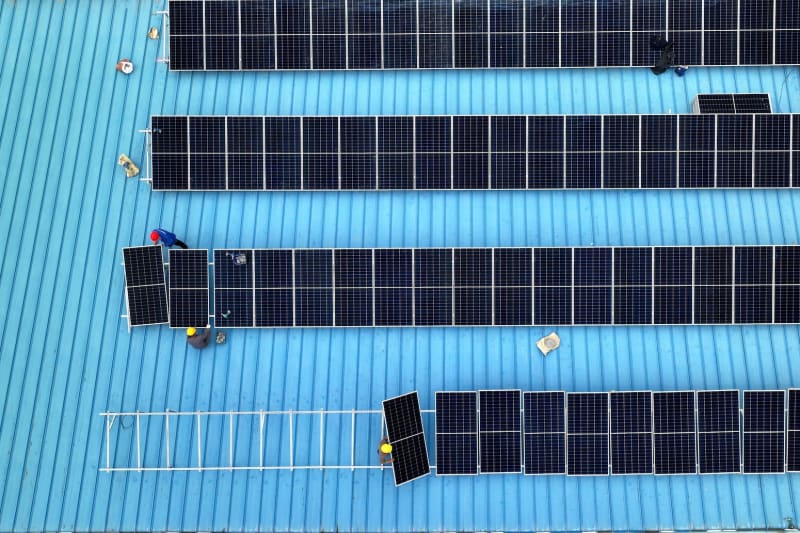
Other developing nations now have a template showing that massive clean energy deployment is both technically possible and economically viable. China installed more solar capacity in 2023 alone than the entire United States has built in its history.
The price of solar panels has plummeted as Chinese manufacturing scaled up, making clean energy affordable worldwide. Wind turbines, batteries, and electric vehicles have followed similar paths, with costs dropping as production volumes soared.
This creates a positive feedback loop: as clean technology gets cheaper and more proven, more countries adopt it, driving further cost reductions and improvements. Climate progress in one major economy makes it easier everywhere else.
Why This Inspires
The challenge isn't over, and questions remain about China's long-term commitment to these reductions. The country would need to cut carbon intensity by 23% over the next five years to meet its Paris Agreement targets, a steeper decline than it managed in the previous five.
But the fact that emissions have fallen for nearly two years while the economy continued growing shows something fundamental has shifted. The infrastructure is in place, the technology works, and the trend is moving in the right direction.
Twenty-one months of declining emissions didn't happen by accident. It's the result of massive investments in solar farms, wind installations, nuclear plants, and battery storage that are now paying off. The momentum is real, and it's accelerating.
Based on reporting by Google News - Emissions Reduction
This story was written by BrightWire based on verified news reports.
Spread the positivity!
Share this good news with someone who needs it