China's Coal Power Drops Below 50% for First Time
The world's largest coal consumer just crossed a historic threshold. China generated less than half its electricity from coal in the first six months of 2026, a milestone that seemed impossible just years ago.
China generated just 49.7% of its electricity from coal in the first half of 2026, marking the first time the world's biggest coal user has dropped below the 50% mark. It's a turning point for a country that once relied almost entirely on the fossil fuel to power its massive economy.
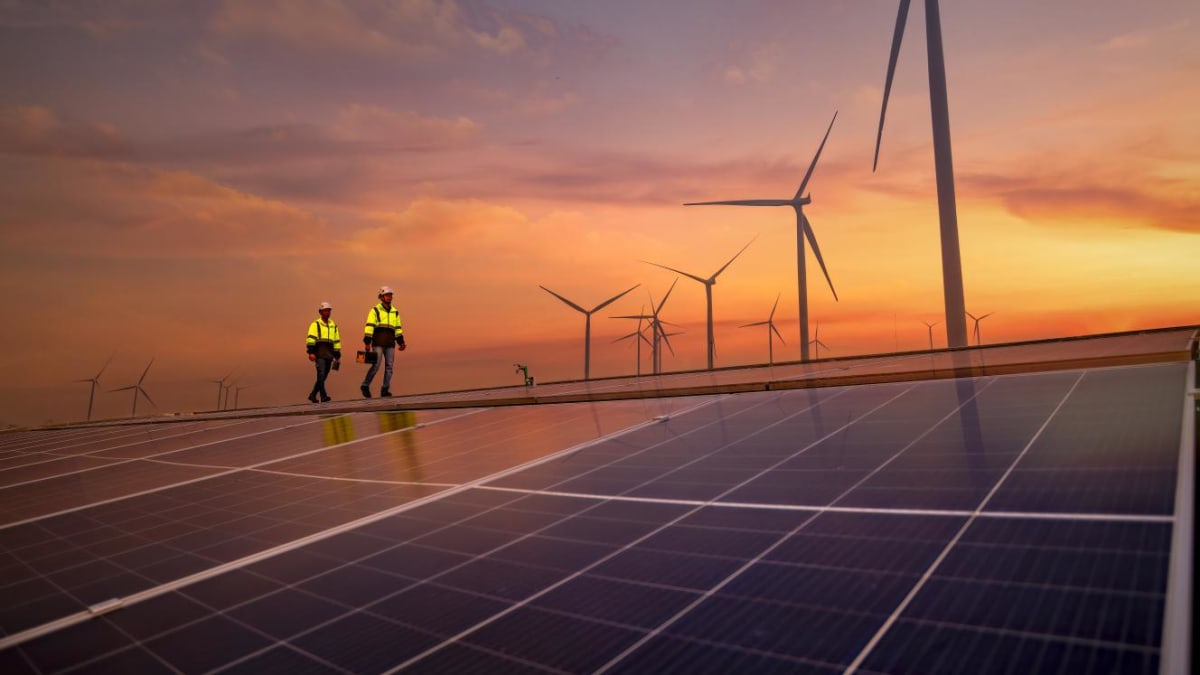
Renewable energy now accounts for 41.2% of China's power mix, also breaking the 40% barrier for the first time. Wind and solar alone make up nearly a quarter of the nation's electricity at 24.6%, with nuclear and natural gas filling the remaining gap.
The shift comes as China races to meet its climate goals while powering a booming economy. Electric vehicle sales are soaring, AI data centers are multiplying, and exports continue their upward climb. All of that needs electricity, yet renewables are rising fast enough to meet the moment.
China initially set a target to reach 30% wind and solar power by 2030. Experts now say that goal will likely arrive two years early in 2028, thanks in large part to rooftop solar panels paired with battery storage spreading across the country.
The Ripple Effect
This milestone matters far beyond China's borders. As the world's largest emitter of greenhouse gases, China's energy choices shape the planet's climate future. When the biggest coal consumer starts turning away from fossil fuels at this pace, it sends a powerful signal to other developing nations weighing their own energy paths.
The transformation looks even more dramatic in context. India, another coal-rich nation, still generates 69% of its power from coal. The United States gets just 17% from coal but relies heavily on natural gas at 41%. China sits somewhere between, working to phase out coal while managing limited natural gas reserves.
Greenpeace project manager Gao Yuhe points to energy storage as the key to pushing renewables even higher. Better batteries, flexible power grids, and smart demand management can help solar and wind replace fossil fuels entirely, not just supplement them.
The country still faces challenges ahead, with total coal use potentially rising this year despite its shrinking percentage share. But crossing the 50% threshold proves that even the world's manufacturing powerhouse can bend its energy curve toward a cleaner future.
More Images




Based on reporting by Google News - Wind Energy
This story was written by BrightWire based on verified news reports.
Spread the positivity!
Share this good news with someone who needs it