China's Flying Turbines Tap Wind Power 6,500 Feet Up
China just launched the world's first megawatt-scale flying wind turbine that hovers 6,500 feet high to capture stronger, steadier winds than ground turbines can reach. The helium-filled system could unlock clean energy in places conventional turbines can't go.
Imagine wind turbines floating thousands of feet in the sky, tethered like giant kites, capturing powerful winds that ground-based turbines can never touch. China just made that vision real with a breakthrough that could reshape clean energy.
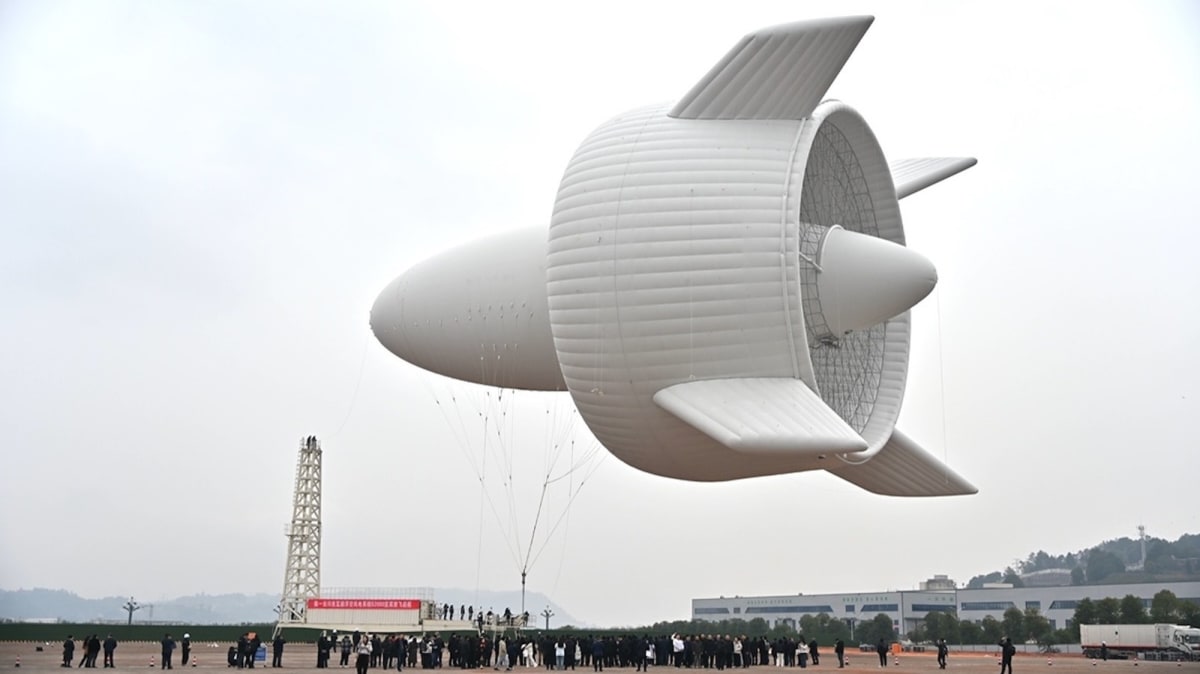
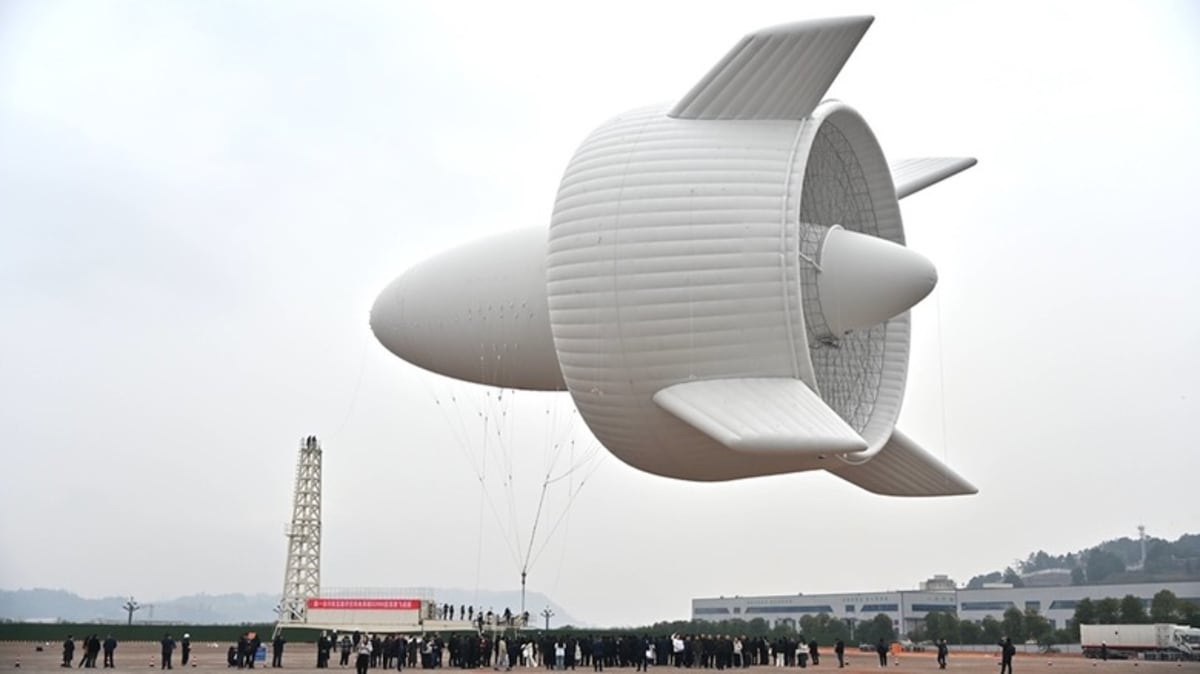
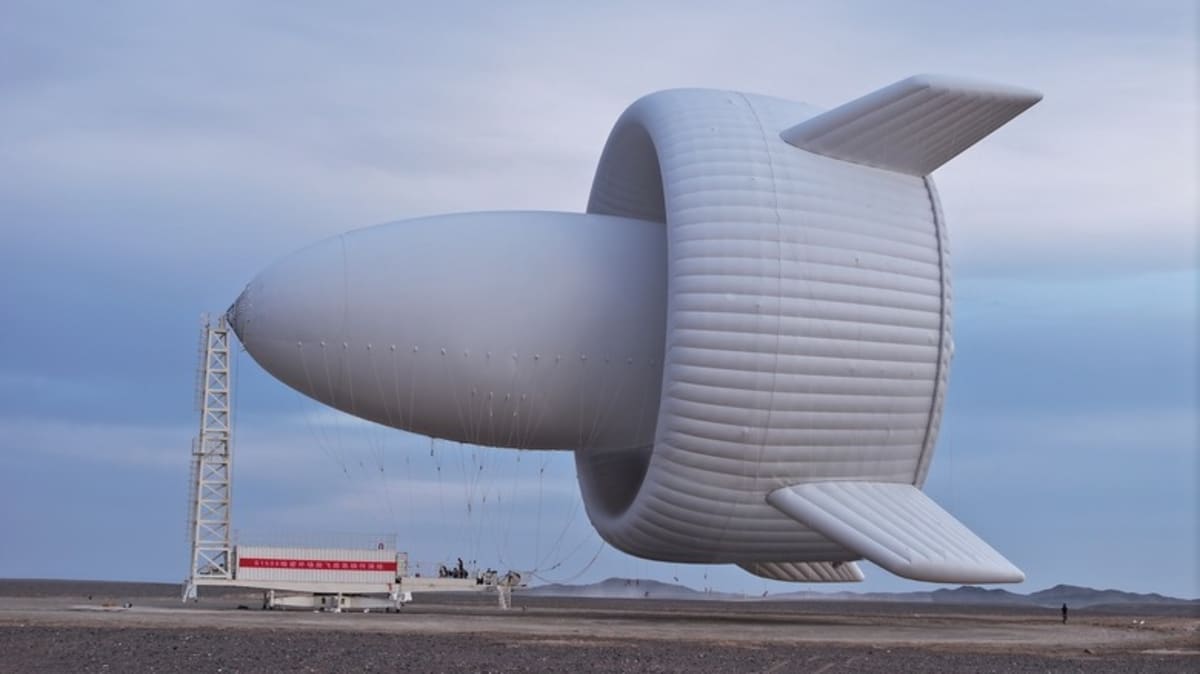
Tsinghua University and SAWES Energy Technology unveiled the S2000, the first airborne wind power system capable of generating megawatt-scale electricity. The massive helium-filled aerostat rises 6,500 feet into the sky, where winds blow stronger and more consistently than at ground level.
The numbers tell an impressive story. The S2000 stretches 197 feet long and carries 12 turbines with a combined capacity of three megawatts. That's enough to fully charge 30 electric vehicles every hour, matching the output of average U.S. ground turbines without taking up precious land.
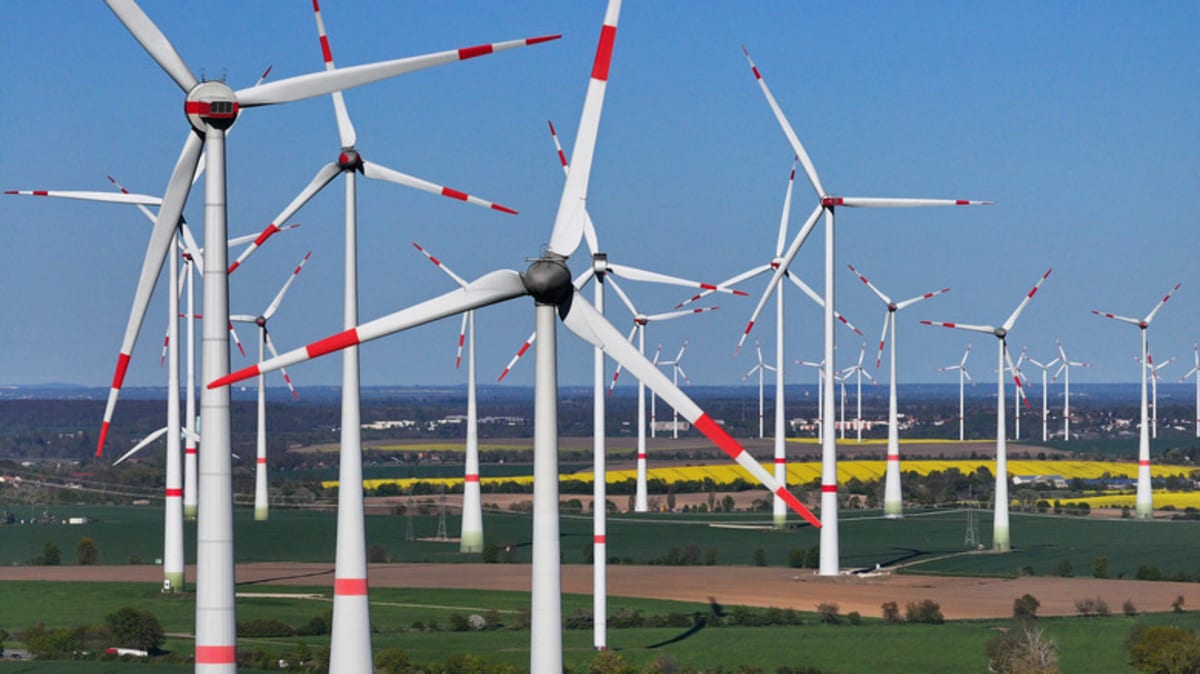
The floating design solves problems that have held back wind energy for years. Ground-based turbines face strict height limits, require massive amounts of land, and only work in specific locations. The S2000 sidesteps all three issues while accessing wind speeds that remain stable hour after hour.
China's vast remote regions give the technology a perfect testing ground. Areas with few residents and abundant high-altitude winds become viable power sources without disturbing communities or wildlife habitats below.
The system does face real challenges. Severe weather can force the aerostat to land until conditions improve, interrupting power generation. The tether cable experiences constant wear that demands regular maintenance and repair.
Aviation safety requires careful planning too. Helicopters and emergency aircraft operate at similar altitudes, so deployment needs coordination to avoid hazards. Engineers are working through these issues as they prepare for wider rollout.
The Ripple Effect
This breakthrough fits into China's massive green energy transformation. The country already leads the world in battery production and lithium-ion manufacturing, and it's pushing hard into solar power, electric vehicles, and renewable hydrogen infrastructure.
If China scales these flying turbines successfully, it opens access to an entirely new renewable energy source that conventional technology simply cannot reach. Remote mountain regions, areas with challenging terrain, and locations where ground turbines face opposition could all become clean energy producers.
The technology might also change political conversations about wind power. Traditional turbines face criticism for their visual impact and noise, but aerostats hover far above ground level, making them less obtrusive and quieter for nearby communities.
Other countries are watching closely. While the U.S. focuses on offshore and onshore wind farms, airborne systems remain mostly in research labs. China's success could accelerate development worldwide as engineers prove the concept works at scale.
The S2000 represents more than clever engineering. It shows how thinking beyond traditional limits can unlock resources that seemed unreachable just years ago, turning the sky itself into a renewable energy frontier.
More Images

Based on reporting by Google News - Wind Energy
This story was written by BrightWire based on verified news reports.
Spread the positivity!
Share this good news with someone who needs it