Floating Wind Turbines Unlock Ocean's Deepest Energy
A new generation of wind turbines that float on water is opening access to untapped clean energy in oceans too deep for traditional platforms. The technology works, and the industry is taking careful steps to scale it up responsibly.
Beyond the reach of traditional offshore wind farms, where water drops past 60 meters deep, a breakthrough technology is proving it can harvest powerful ocean winds that were once impossible to capture.
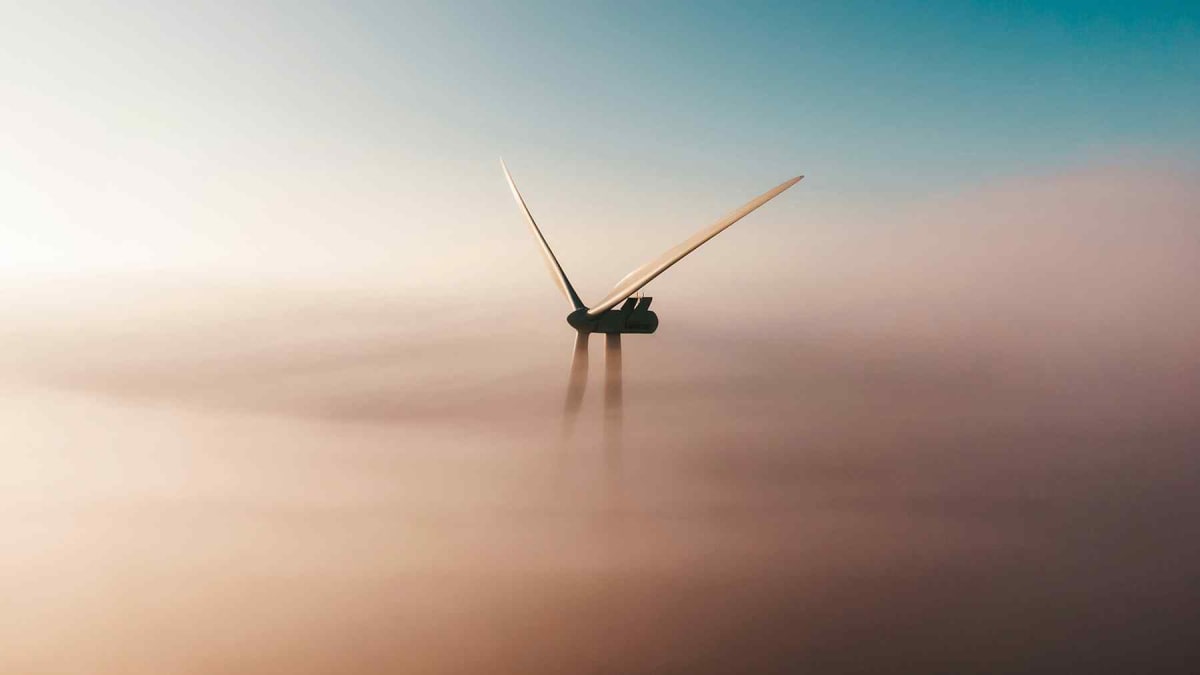
Floating wind turbines don't need to touch the ocean floor. Instead, they're anchored dynamically to the seabed with flexible mooring systems, allowing them to bob and sway while generating clean electricity from some of the strongest wind resources on Earth.
The technology already works. Norway's Hywind Scotland, the world's first commercial floating wind farm, has operated successfully since 2017 with five turbines producing 30 megawatts of power. Other pilot projects across Europe and Asia are proving the concept holds up in real ocean conditions.
What makes this exciting goes far beyond engineering. The US West Coast, Japan, Norway, and parts of the Mediterranean all sit above continental shelves that drop away quickly from shore, placing their best wind resources in water too deep for conventional turbines. Floating platforms remove that limitation entirely.
The potential is staggering. Industry experts estimate these deeper waters could unlock hundreds of gigawatts of clean energy globally, accessing wind resources that fixed-bottom platforms were simply never designed to reach.
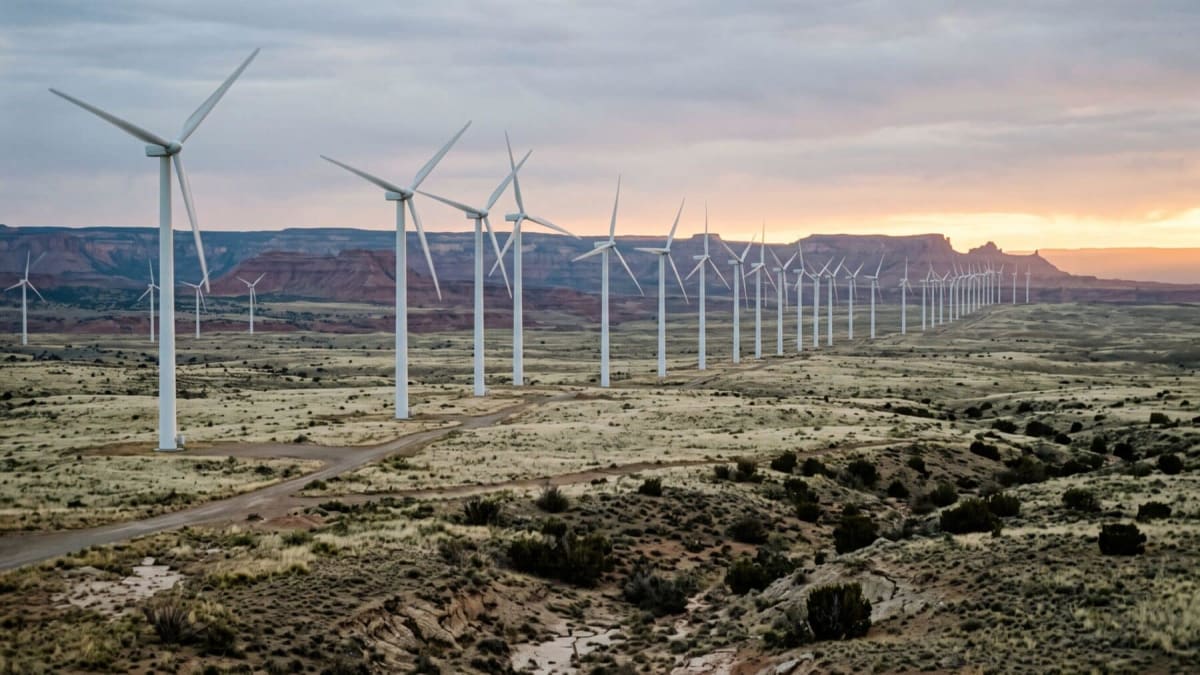
The industry isn't rushing ahead recklessly. Developers are deliberately following the same careful path that made traditional offshore wind one of the world's most competitive power sources. Denmark's first offshore wind farm in 1991 had just 11 turbines generating less than five megawatts. Two decades of steady, incremental growth turned that modest start into today's multi-gigawatt arrays.
Floating wind is tracing that same arc. Right now, total global capacity sits in the tens of megawatts, roughly where fixed-bottom wind was in the mid-1990s. The plan is to grow through staged development: small pilot arrays of 50 to 150 megawatts first, then intermediate projects around 500 megawatts, before graduating to full commercial farms.
Each stage generates crucial operational data, refines installation methods, and proves to investors that the technology can deliver reliably at larger scales. Governments are supporting early projects with targeted contracts and grants to bridge the gap between current costs and commercial viability.
The Ripple Effect
As floating wind matures, it's already creating new industries. Ports are adapting to assemble floating foundations. Specialized vessels are being designed for installation. Component manufacturers are developing floating-specific expertise. Each advancement builds the supply chain infrastructure needed for the next wave of projects.
The path forward requires patience, but the destination is clear: clean energy from ocean regions that hold some of the planet's strongest, most consistent winds, powering coastal communities that need it most.
Every successful pilot project today is laying the foundation for tomorrow's gigawatt-scale clean energy revolution.
Based on reporting by Google News - Wind Energy
This story was written by BrightWire based on verified news reports.
Spread the positivity!
Share this good news with someone who needs it