Solar-Powered Cars Could Generate 80% of Their Own Energy
Electric vehicles with built-in solar panels could produce up to 80% of their own electricity in sunny climates, slashing charging costs and easing pressure on power grids. A major European study shows this technology could save enough energy to power millions of homes by 2030.
Imagine never having to worry about finding a charging station because your car generates its own power as you drive.
That future just got closer. Researchers at Germany's Fraunhofer Institute for Solar Energy Systems have proven that electric vehicles with solar panels integrated into their roofs, hoods, and side panels can produce a stunning amount of their own electricity.
The numbers are impressive. In Central Europe, passenger cars could generate 55% of their annual electricity needs from onboard solar panels. In sunnier Southern Europe, that figure jumps to 80%.
The research team studied 23 different vehicle types, from compact city cars to heavy-duty trucks, analyzing 1.3 million kilometers of real driving data. They combined this with satellite weather information to create detailed models of how much power vehicles could actually generate in real-world conditions.
If every new vehicle sold in Europe between 2024 and 2030 includes this technology, the power grid could see demand drop by 15.6 terawatt-hours. That's enough electricity to power several million homes for an entire year.
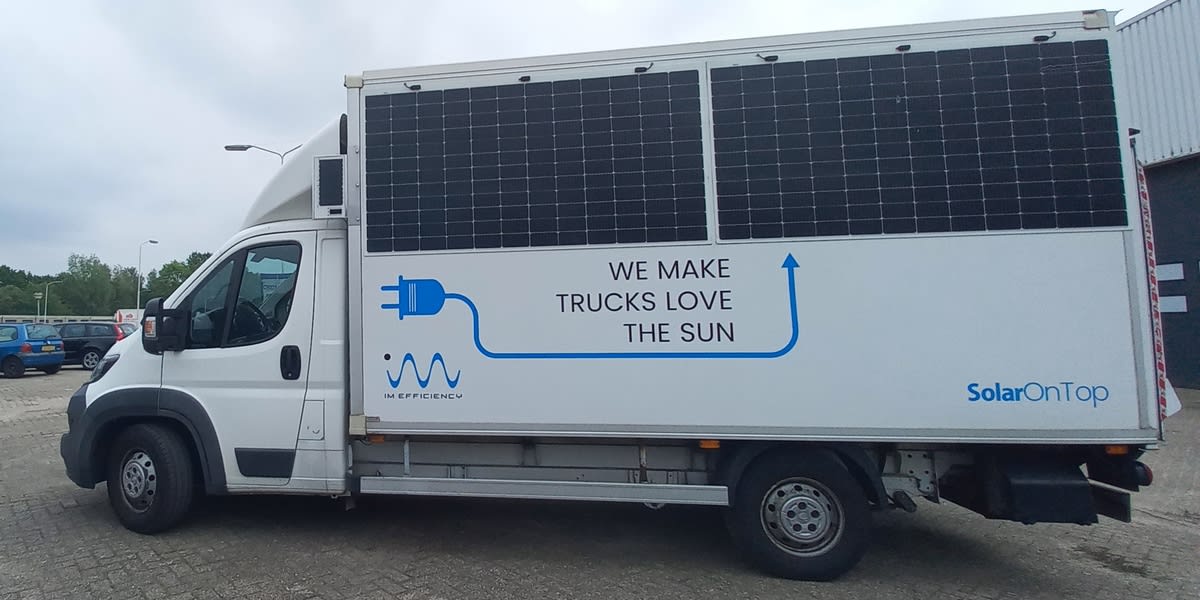
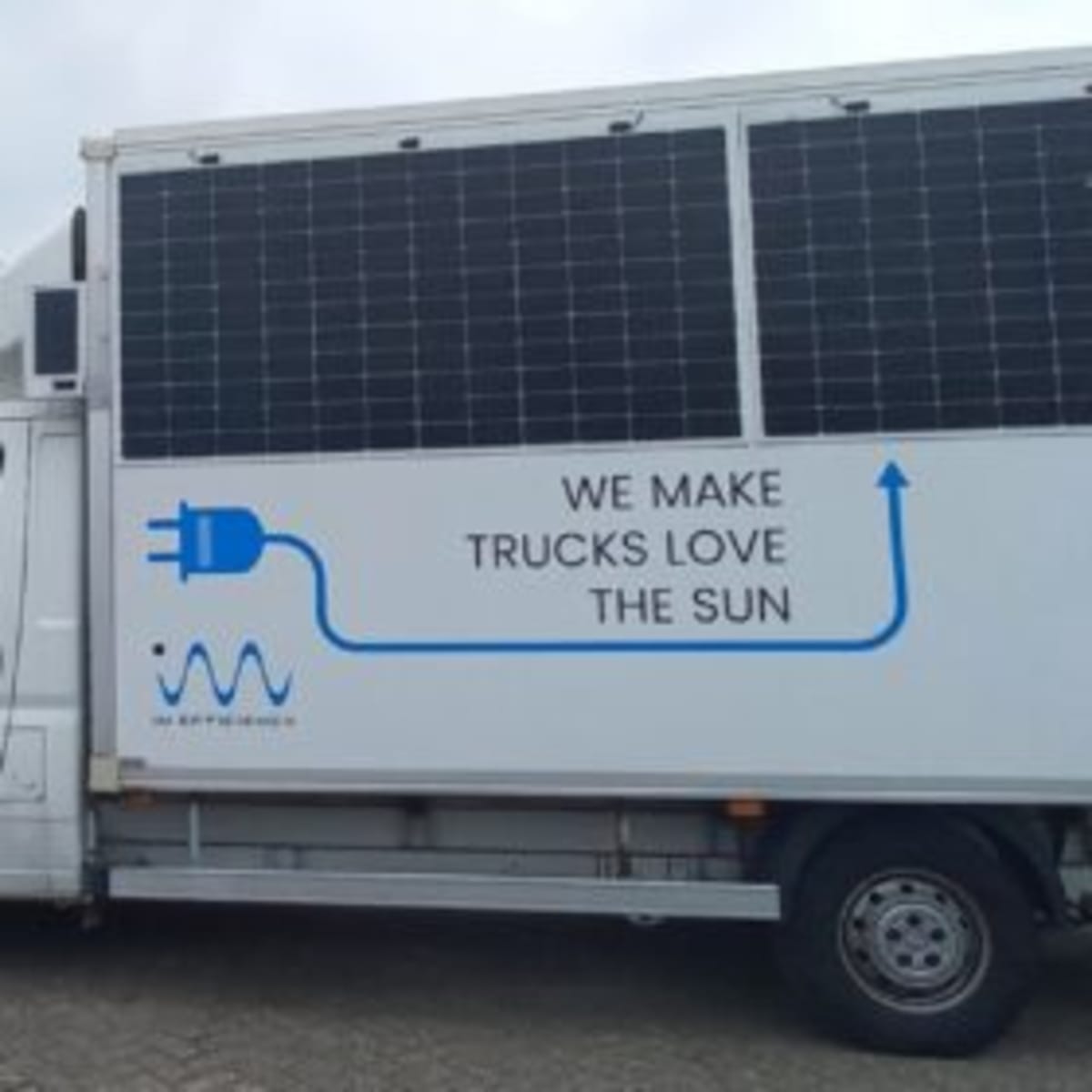
The logistics industry stands to benefit most. Delivery vans and trucks have large roof areas and constant energy demands for refrigeration, heating, and other systems. During summer months, a truck trailer with rooftop solar can generate up to 55 kilowatt-hours per day.
Add solar panels to the side walls, and that number climbs to 110 kilowatt-hours daily. That's enough to fully power cooling systems without drawing from the battery that moves the truck.
Even conventional diesel trucks could save fuel by using solar panels to run air conditioning and auxiliary systems. The fuel savings are so significant that the solar investment could pay for itself in less than two years.
The Ripple Effect
This innovation tackles a challenge many people worry about with electric vehicles: will power grids handle the increased demand? Vehicle-integrated solar panels flip the script. Instead of just consuming electricity, cars become tiny power generators, reducing the burden on infrastructure.
For drivers, the benefits are immediate and practical. Lower charging costs mean more money in your pocket. Fewer stops at charging stations mean more time on the road. And for delivery companies managing fleets of trucks, the fuel savings add up quickly.
The technology works with existing electric vehicle designs and doesn't require new infrastructure or charging networks. It's a solution that makes the transition to electric transportation easier and more affordable for everyone.
Christian Braun, a scientist on the project team, emphasized that electrification alone isn't enough. We need innovations that structurally reduce energy demand, and vehicle-integrated solar does exactly that.
The research involved partnerships across Europe, including organizations in the Netherlands, and was commissioned by the European Commission. These aren't pie-in-the-sky projections but conclusions based on extensive real-world testing and data.
Cars that power themselves represent more than just clever engineering—they're a glimpse of a transportation system that works with our energy needs rather than against them.
More Images
Based on reporting by PV Magazine
This story was written by BrightWire based on verified news reports.
Spread the positivity!
Share this good news with someone who needs it