Singapore Leads Asia's Clean Fusion Energy Revolution
Singapore is positioning itself as Asia's fusion energy hub as the world races toward unlimited clean power by the 2030s. The U.S. firm Commonwealth Fusion Systems says the island nation could become one of the first to adopt this game-changing technology.
Imagine powering entire cities with the same process that lights up the sun, without pollution, radioactive waste, or fuel shortages. That future could arrive in Asia within a decade, and Singapore is helping lead the charge.
Commonwealth Fusion Systems, the world's largest commercial fusion energy company, announced a major research partnership with Singapore's A*STAR research agency on May 20. The collaboration positions Singapore as a potential regional leader in bringing fusion power to Asia by the 2030s.
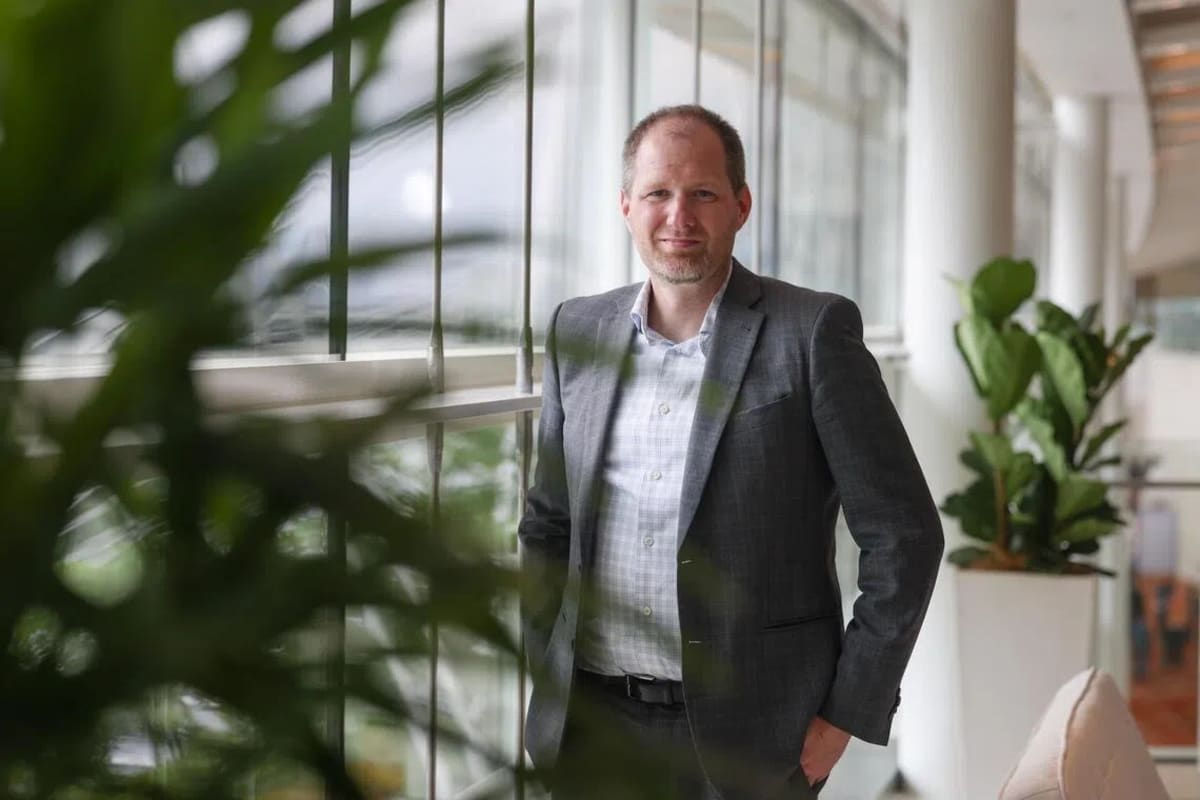
"Singapore is a model system for what a future fusion-powered urban society could look like," said Dr. Bob Mumgaard, CEO of Commonwealth Fusion Systems. He pointed to Singapore's advanced research capabilities, high-tech industrial community, and strong regulatory environment as key strengths.
Fusion energy works by combining light atomic nuclei at extreme temperatures, releasing massive amounts of clean energy. Unlike traditional nuclear fission plants, fusion produces no long-term radioactive waste and carries zero meltdown risk. It offers nearly limitless power without depending on weather conditions like solar panels or geography like hydroelectric dams.
The timing couldn't be more urgent. Global electricity demand has more than doubled since 2000 and could jump another 69 percent by 2050, driven by artificial intelligence, data centers, electric vehicles, and growing cities. Canada just announced a $930 billion plan to double its power grid by 2050 to keep pace.
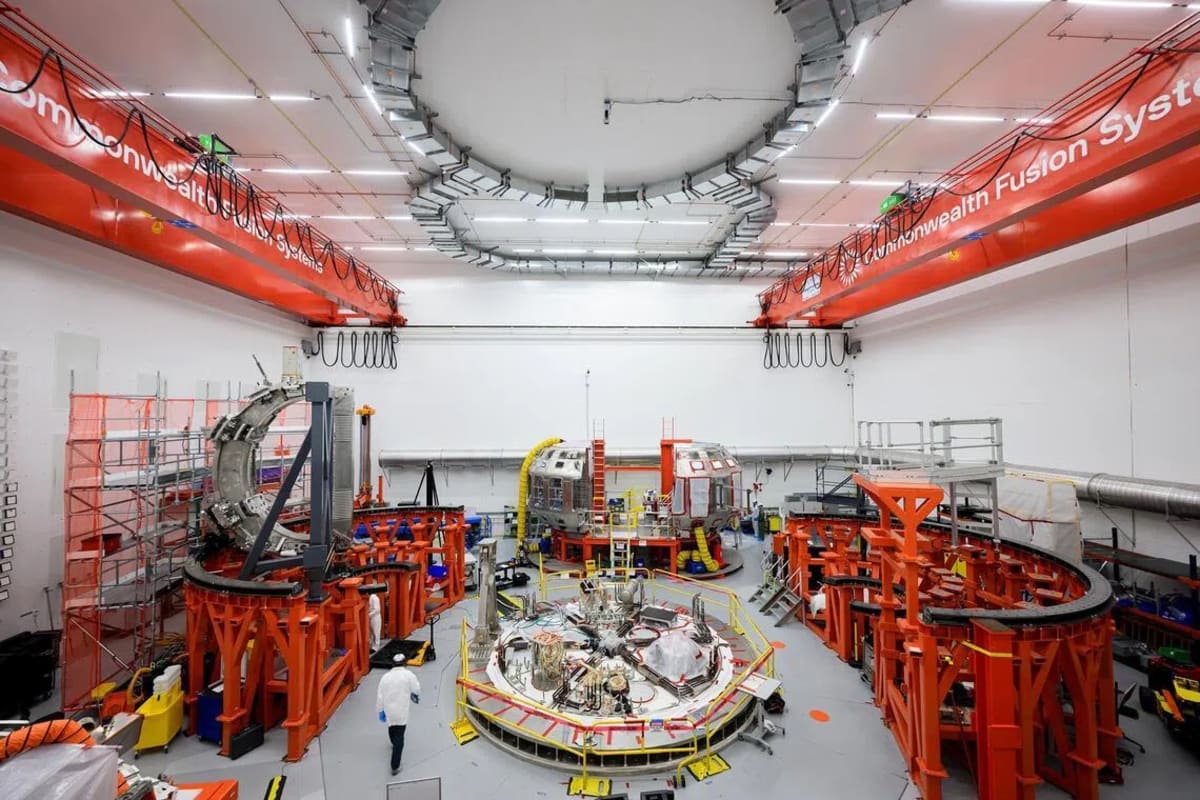
Commonwealth Fusion Systems expects its SPARC test reactor in Massachusetts to achieve a historic milestone in 2027 by generating far more energy than it consumes. Commercial fusion plants could begin operating globally in the early 2030s. The company has attracted nearly $3 billion in funding from investors including Temasek, Google, and Nvidia.
Singapore is investing strategically in fusion research, focusing on plasma computer modeling to simulate and control the super-hot plasma inside fusion reactors. This expertise helps predict instabilities and maintain the stable conditions needed for sustained fusion reactions.
More than 50 fusion startups now operate worldwide, with countries including China, Japan, the U.S., Britain, and France racing to commercialize the technology first. The global push has unlocked billions in private and government funding.
The Ripple Effect
If successful, fusion energy could fundamentally reshape how Asia powers its future. The technology isn't tied to volatile fuel markets or geographic limitations, offering true energy independence. For densely populated nations like Singapore, fusion plants could generate enormous power from compact facilities without carbon emissions.
The partnership between Commonwealth Fusion Systems and Singapore also signals a broader shift. Advanced clean energy technology is no longer just a distant dream but an approaching reality with real timelines and commercial backing.
Singapore's investments in fusion expertise today could position the nation as an essential knowledge hub for the entire region. As neighboring countries face their own surging electricity demands, Singapore's research and regulatory frameworks could help guide Asia's transition to fusion power.
This collaboration represents more than scientific progress; it's a blueprint for how smaller nations can punch above their weight in global technology races by focusing on strategic strengths.
A clean energy revolution powered by artificial stars may sound like science fiction, but it's moving steadily closer to powering our everyday reality.
More Images


Based on reporting by Google News - Singapore Technology
This story was written by BrightWire based on verified news reports.
Spread the positivity!
Share this good news with someone who needs it