Korea Cracks Superconductor Code in $14M Fusion Deal
South Korean scientists just landed the largest international research deal ever awarded to Korean researchers, thanks to a breakthrough that shrinks powerful superconducting magnets to pocket size. Their innovation could unlock clean nuclear fusion energy and transform medical imaging worldwide.
A team of South Korean scientists has achieved what seemed impossible: they've made a superconductor magnet 100,000 times lighter while keeping its full power.
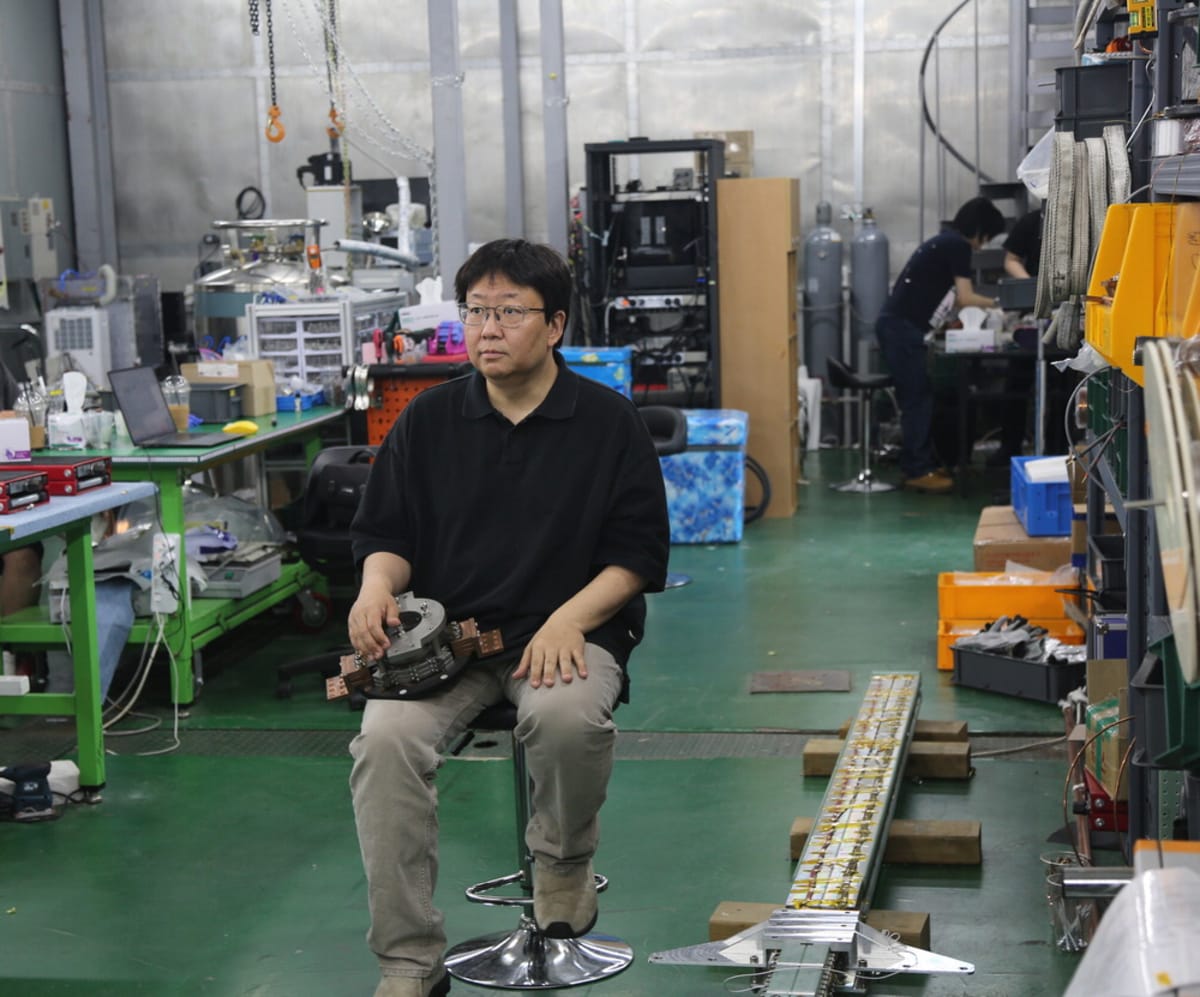
Professor Han Seung-yong at Seoul National University led the breakthrough that shrunk a 35-ton superconducting magnet down to just 390 grams. That's roughly the weight of a smartphone generating the magnetic force of a small car.
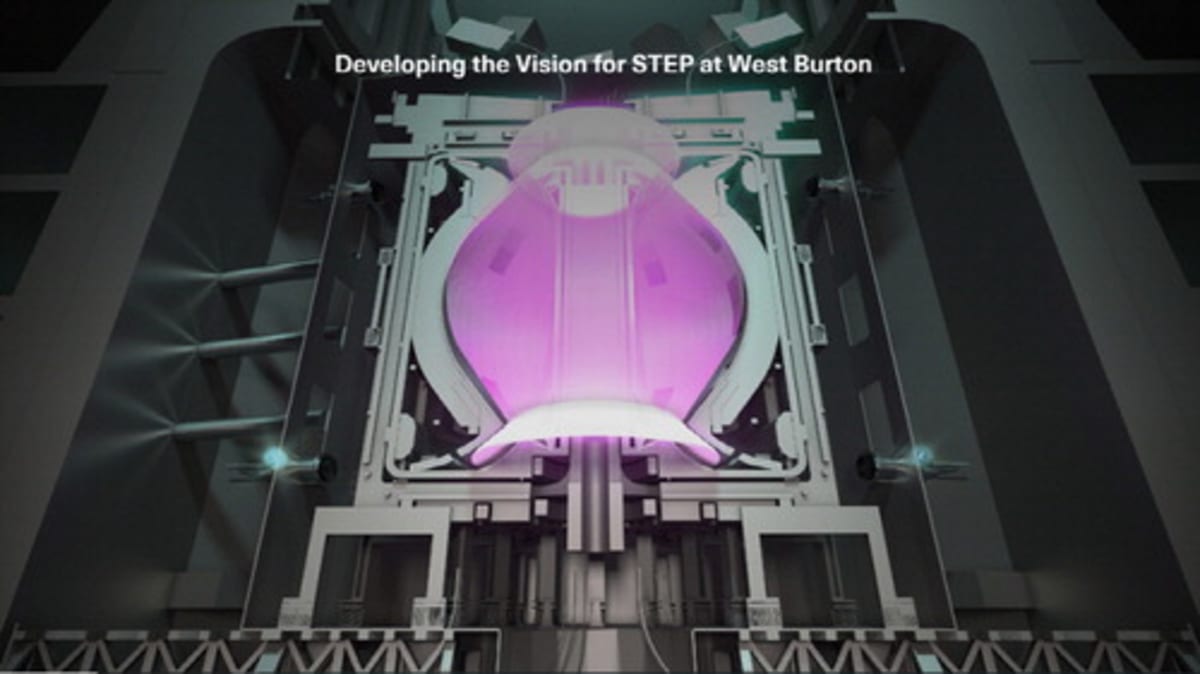
The achievement caught global attention in 2019 when the British Physical Society named it one of the year's top 10 innovations, alongside the first black hole photograph and advances in quantum computing. Now, the UK Atomic Energy Agency wants in. They've proposed a three-stage joint study worth $14 million, the largest research partnership ever commissioned by an overseas institution to Korean researchers.
Superconductors are materials that conduct electricity without losing any energy, but they've always come with huge challenges. They need temperatures near absolute zero to work, cost enormous amounts to maintain, and lose their superconductivity from tiny fluctuations in temperature or magnetic fields. These problems have blocked their widespread use despite their potential to revolutionize nuclear fusion reactors, MRI machines, and magnetic levitation trains.
Professor Han's solution came from a concept he first presented in 2011 called "insulated superconducting magnets." Eight years of research later, his team created ultra-small, high-temperature versions that operate at temperatures dozens of degrees warmer than traditional superconductors. The difference matters. Higher operating temperatures mean lower costs and more practical applications.
Why This Inspires
This wasn't just one brilliant scientist in a lab. The success story includes 27 universities, research institutes, and companies working together through a government program called PRISM, launched by Korea's Ministry of Science and ICT in 2022.
PowerNix, a mid-sized power electronics company with zero superconductor experience, joined the program and learned to manufacture high-temperature superconducting cables. Today, they're an official partner of the UK Atomic Energy Agency. Professor Han credits their manufacturing skills as essential to turning research into real products.
"This showed that government, academia, and companies can lead a specific field as a team," Professor Han explained. He believes Korea's collaborative research ecosystem offers a blueprint for achieving world-leading results in other scientific fields.
The timing couldn't be better. As countries race to develop clean nuclear fusion energy, superconducting magnets are essential components. Korea's breakthrough means fusion reactors could become smaller, cheaper, and more practical to build. The same technology could make MRI machines more accessible in developing countries and bring magnetic levitation trains to more cities worldwide.
Professor Han sees this as proof that when governments invest in long-term research and companies commit to unproven technologies, entire nations can lead global innovation.
Korea just became the place where the "material of dreams" is turning into reality.
More Images

Based on reporting by Regional: south korea technology (KR)
This story was written by BrightWire based on verified news reports.
Spread the positivity!
Share this good news with someone who needs it