China's Green Wall Triples Forest Cover Since 1978
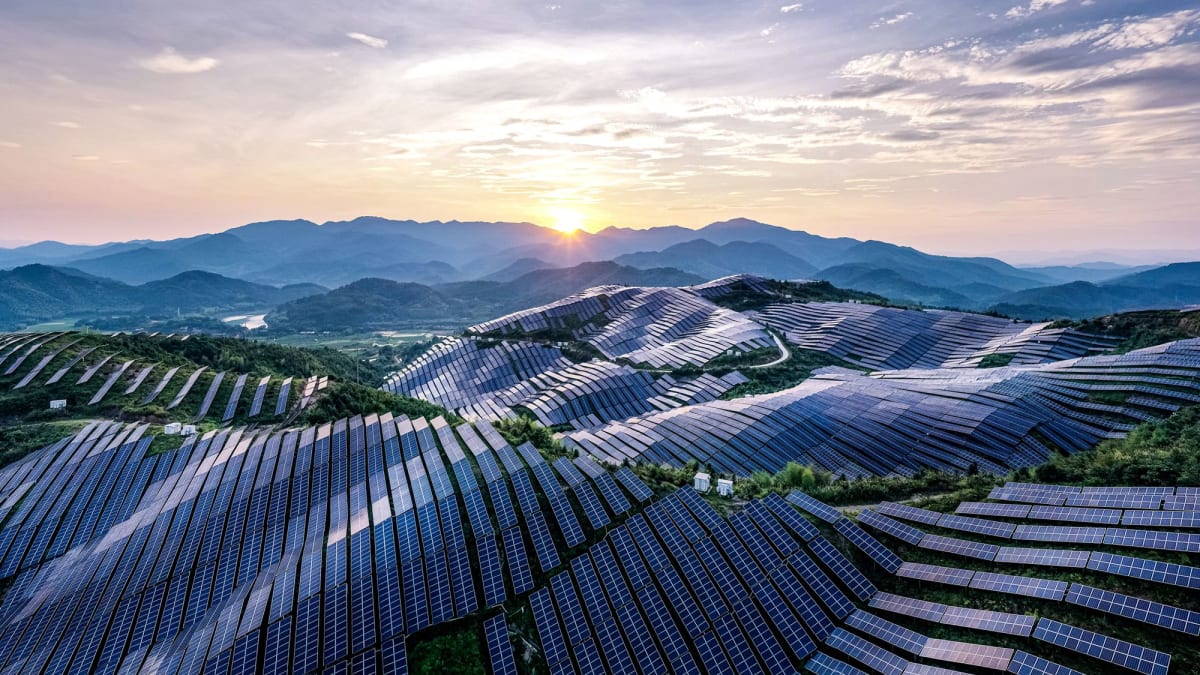
China's massive tree-planting project has nearly tripled forest cover across its northern deserts, reducing dust storms and soil erosion while offering lessons for similar efforts worldwide. The 72-year initiative now spans 40% of the country and is showing real results.
Imagine watching your village slowly disappear under sand dunes, forcing you to abandon your home and start over somewhere else. That's reality for millions living near the world's expanding deserts, but China is proving there's a way to fight back.
Since 1978, China has been planting a massive patchwork of forests across its northern region to hold back the advancing Gobi and Taklamakan deserts. The Three-North Shelterbelt programme, nicknamed the Great Green Wall of China, spans 40% of the entire country and is scheduled to continue until 2050.
The results are impressive. Forest cover in the region has jumped from just 5% in 1978 to nearly 14% in 2023. Soil erosion has dropped by two-thirds, and dust storms that once choked cities like Beijing have become less frequent and less intense.
The project protects farms, villages, roads and railways from encroaching sand. More than two billion people worldwide live in drylands, and that number could reach five billion by 2100 as climate change expands desert regions.
China's approach has evolved from simply planting fast-growing trees to focusing on how greening helps communities thrive. The country formally refocused its strategy in 2021 to prioritize development and livelihoods alongside environmental goals.
The Ripple Effect
China's success offers hope for struggling desert restoration projects elsewhere. Africa's Great Green Wall, launched in 2007, has restored only four million hectares of degraded land, far short of its 100-million-hectare goal by 2030.
The difference comes down to funding, planning and community involvement. China provides long-term money for aftercare, carefully selects which species to plant where, and gives local farmers and herders incentives to nurture trees rather than viewing them as competition for resources.
About 67% of areas planted in China over four decades remain green today. In Africa's Sahel region, tree survival rates after two years range from just 10% to 60%, partly because short funding cycles don't support the years of care young trees need.
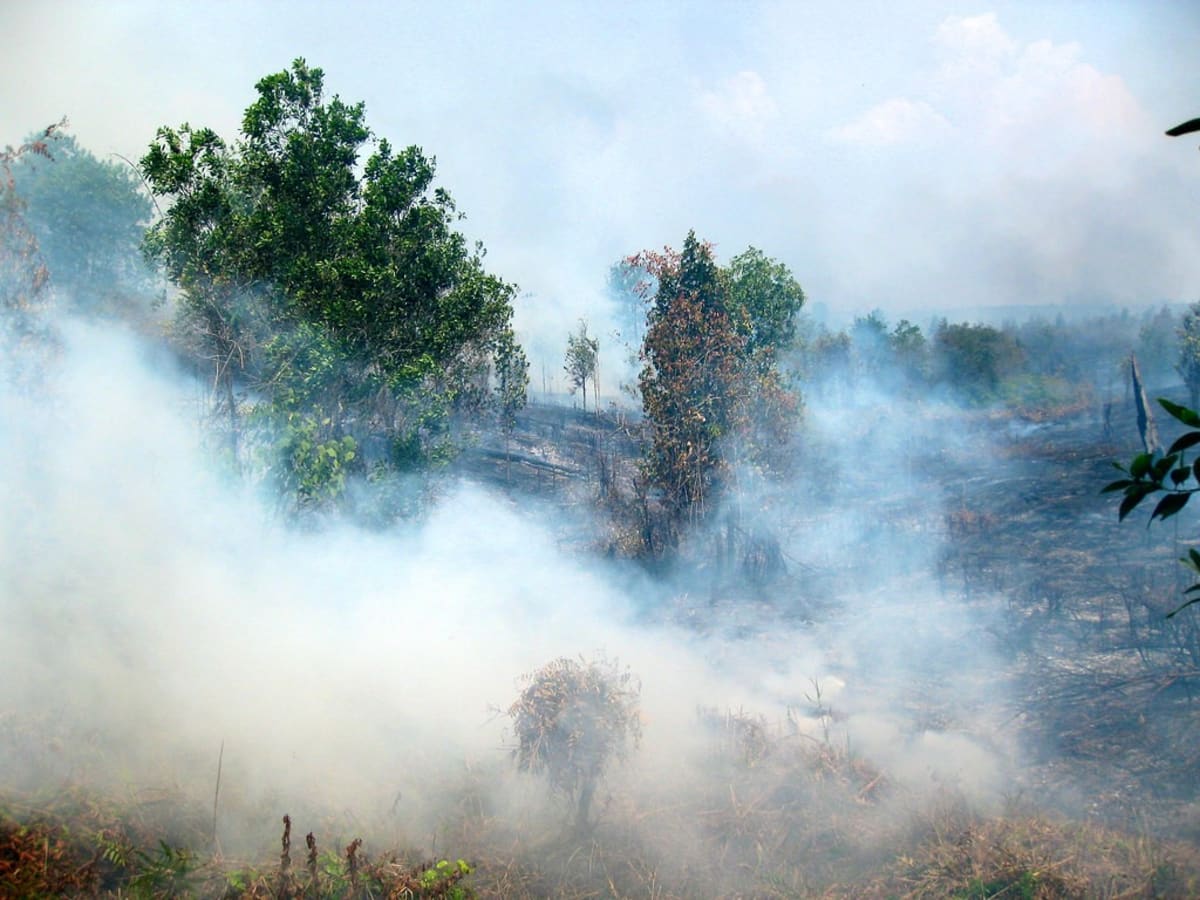
The challenges are real. In China's driest zones, trees still die and require replanting. Some single-species forests have proven vulnerable to disease. Desert still covers 27% of China's territory, down only 1.5% since 2014.
But the progress shows that with sustained effort, smart planning and community support, it's possible to push back against expanding deserts. As half of Earth's land area marches toward dryland conditions, China's green wall offers a roadmap other nations can adapt and improve.
More Images



Based on reporting by Nature News
This story was written by BrightWire based on verified news reports.
Spread the positivity!
Share this good news with someone who needs it