Campbell University Plants 100-Acre Forest for Future
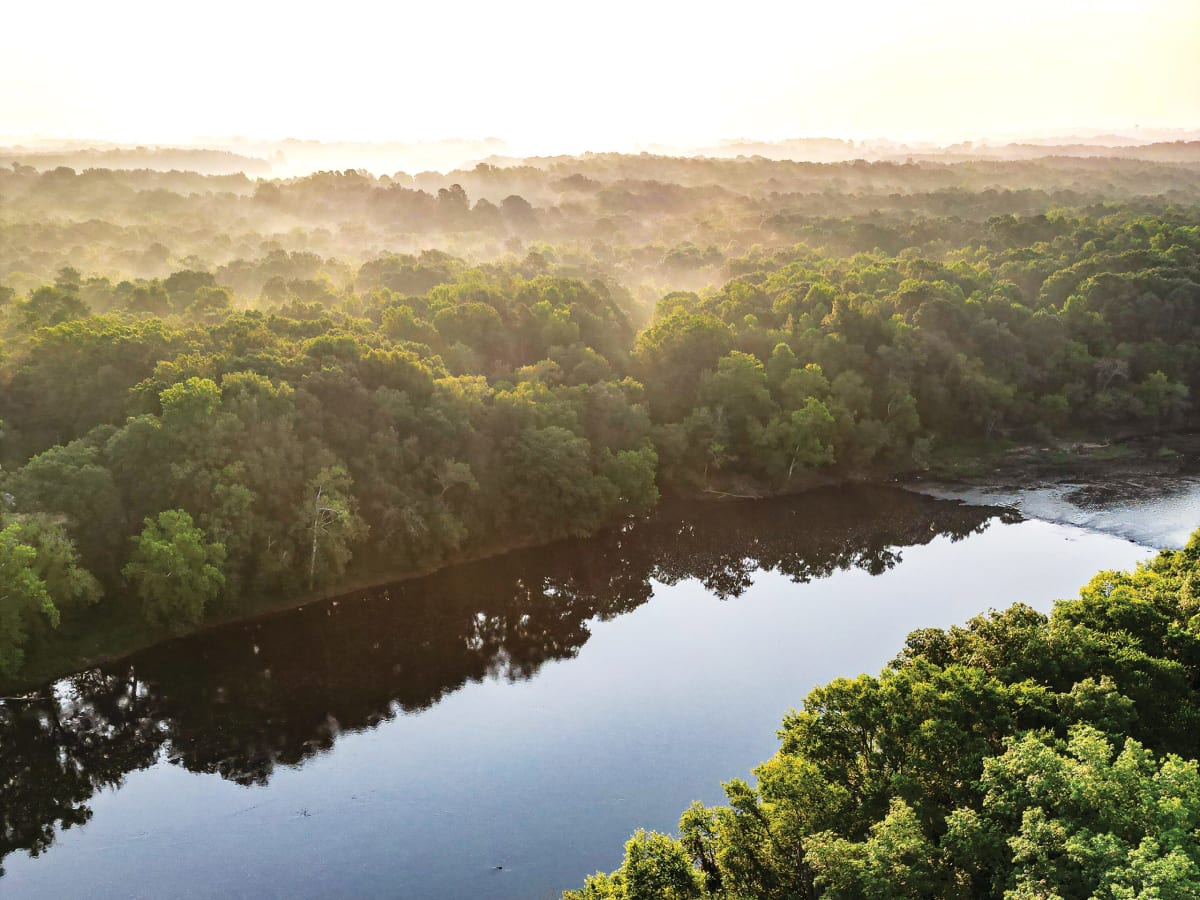
Campbell University is transforming 100 acres of overgrown land along North Carolina's Cape Fear River into a thriving forest ecosystem. The 30-year reforestation project will replace dying, overcrowded trees with healthy ones while protecting water quality and wildlife.
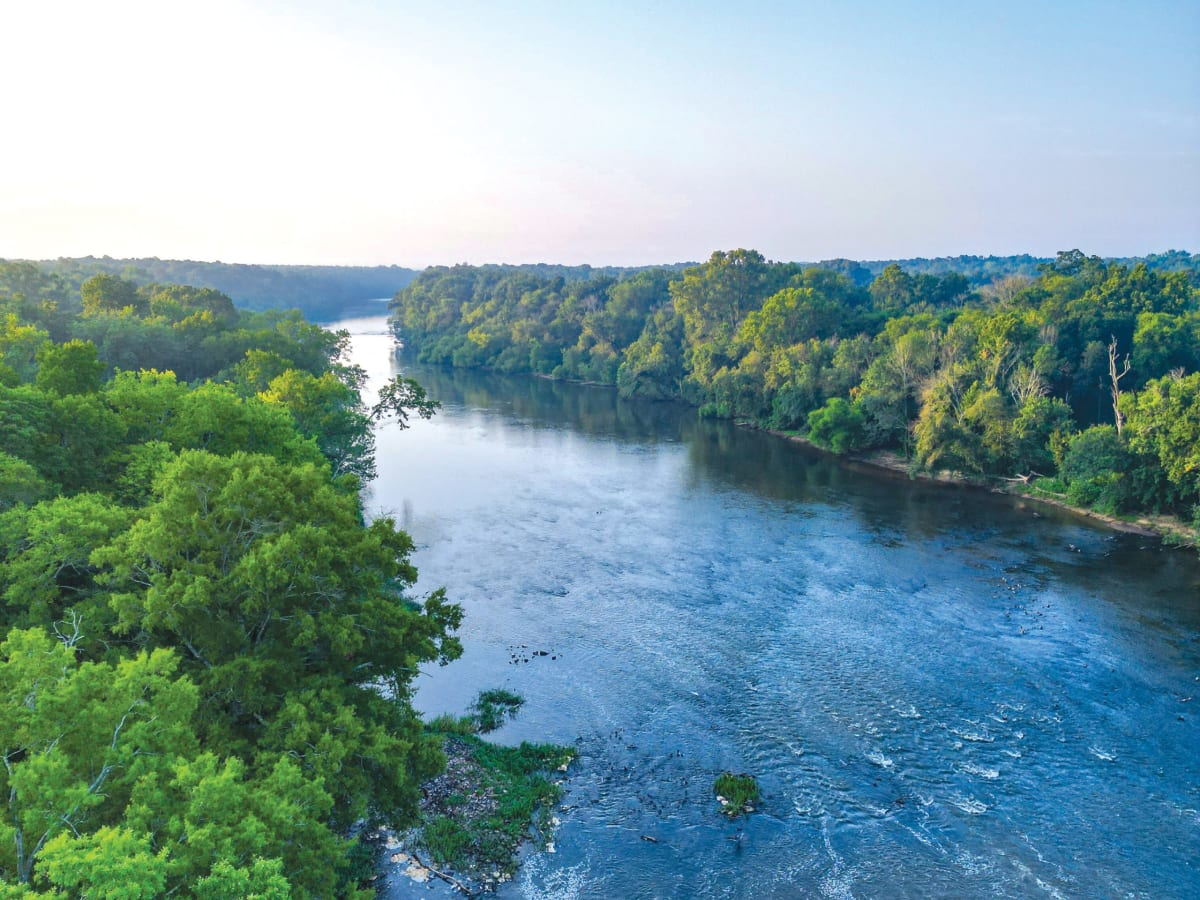
A struggling forest in North Carolina is getting a second chance at life, thanks to Campbell University's ambitious plan to rebuild more than 100 acres of woodland along the Cape Fear River.
The land at Campbell's River Park near the Keith Hills community has been declining for decades. When agricultural fields were abandoned 30 years ago, loblolly pines naturally took over, creating an unhealthy forest where too many trees compete for sunlight, water and nutrients.
"Often, you get too many trees in some places and not enough in other places," said Henry Randolph, a partner at GFR Forestry Consultants. "In this situation, you really have too many trees."
The result is a forest full of crooked, scarred trees that are slowly dying off. Now, Campbell is stepping in to reset the ecosystem through careful forest management that will unfold over the next 15 to 30 years.
The first phase involves harvesting the old, unhealthy pines and replanting trees with superior genetics. Forestry teams will also remove invasive species and prepare the soil to give new growth the best possible start.
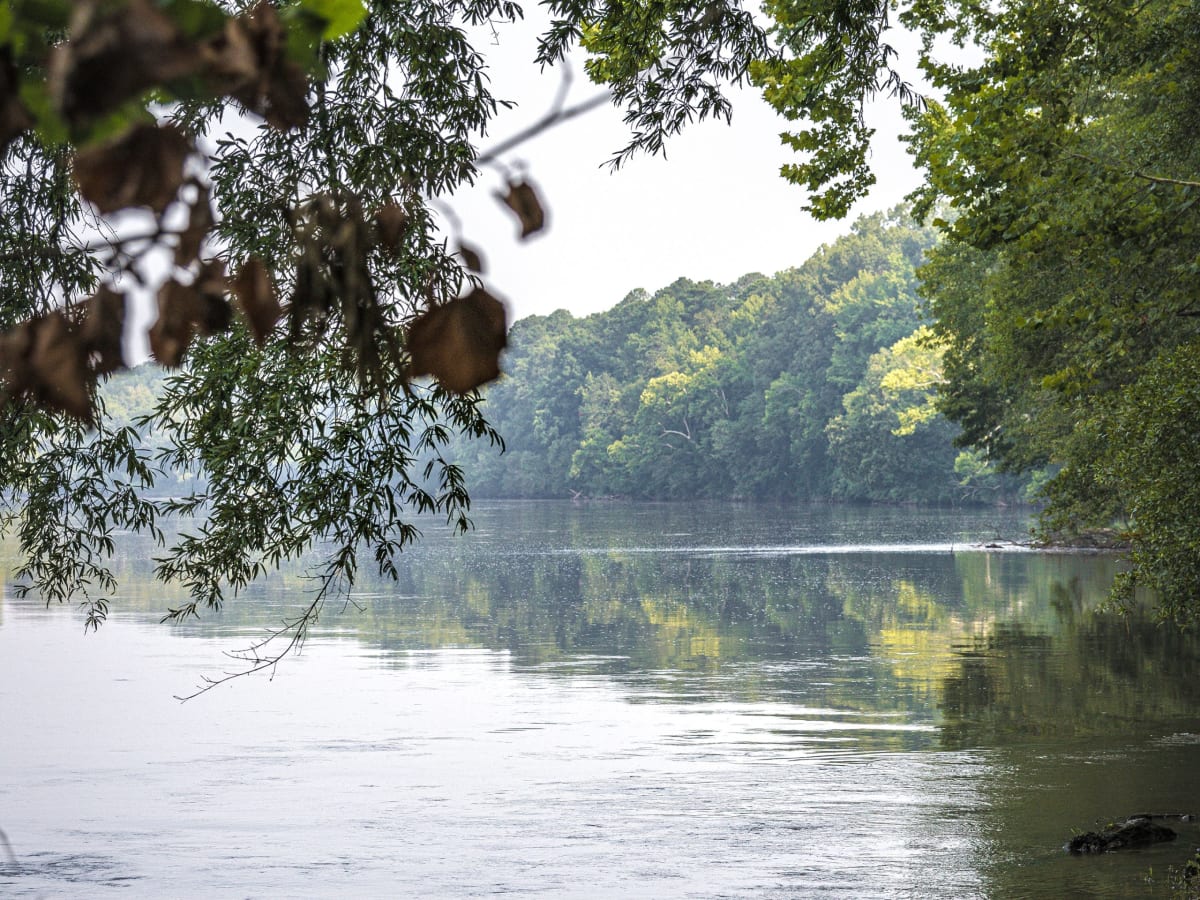
The land isn't just about trees. It serves the community with walking trails, fishing areas, kayak landings and camping sites. Campbell students use it for scientific research, and the reforestation will create even more learning opportunities.
Dr. Melissa Stancil's public health students will monitor water quality throughout the project. Protective buffers between the work site and the river will minimize environmental impact while the forest transforms.
The Ripple Effect
The reforestation will create vital habitat for bobwhite quail and neotropical migrant songbirds that thrive in young pine forests. These species need the brushy, thick understory that healthy young stands provide.
Community members worried about the park being "destroyed" can take heart. While the first few years will look bare, the long-term payoff is substantial. Within five years, new pines will grow head-high, creating a wall of young trees. In 15 years, the forest will be thinned to allow the strongest trees more room to mature.
"After we harvest this land, we're planting a new forest," Randolph said. "It'll be for wildlife, for recreational use and for instructional use."
Unlike other land clearing projects that make way for subdivisions or development, this one guarantees the forest stays a forest. The project will generate initial revenue for the university while securing the park's natural future for generations.
Campbell's commitment shows what good stewardship looks like: not just preserving what exists, but actively improving it for tomorrow.
More Images
Based on reporting by Google News - Reforestation
This story was written by BrightWire based on verified news reports.
Spread the positivity!
Share this good news with someone who needs it