6,000 Trees Bring Italian Island Back After 2023 Storm
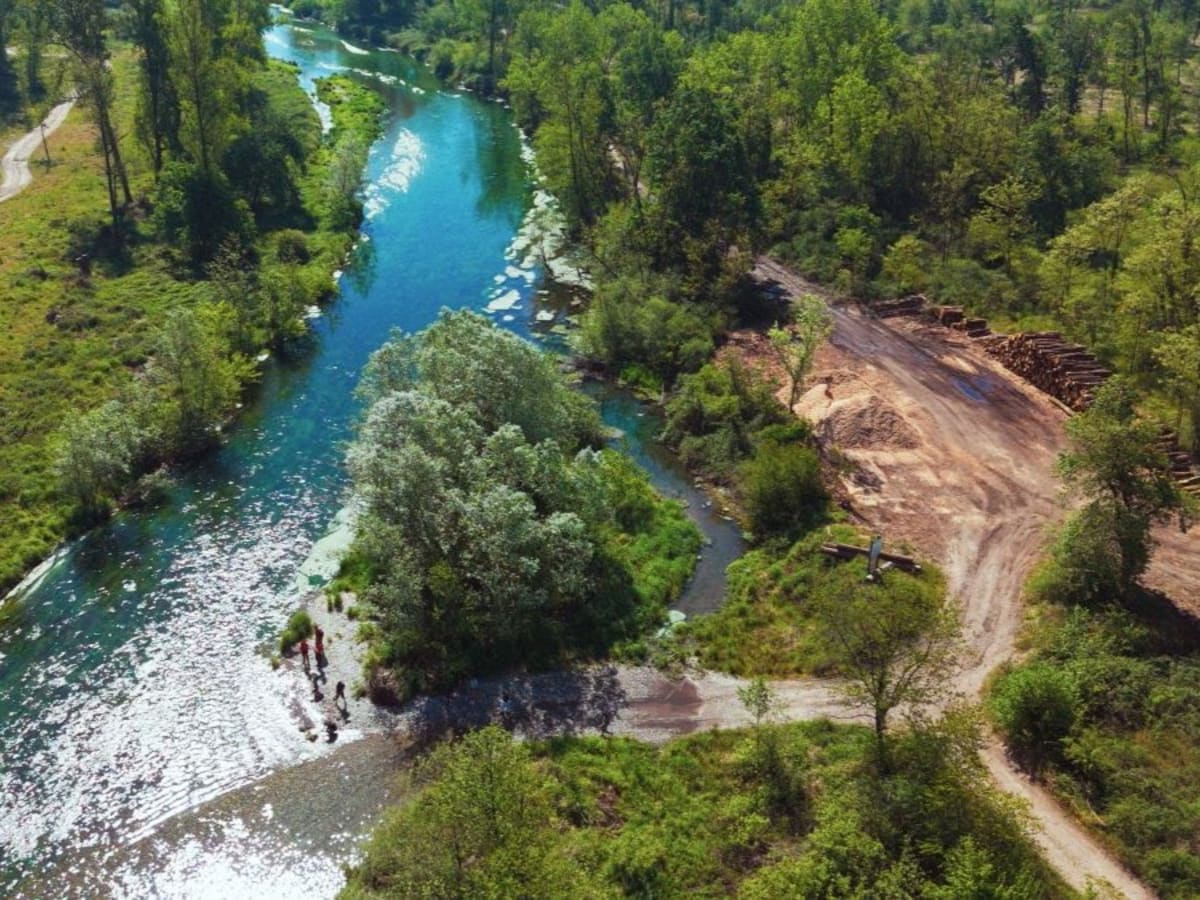
Nearly three years after violent winds devastated a precious island forest in Italy's Ticino Park, almost 6,000 native trees are now growing where invasive species once threatened to take over. Microsoft and nonprofit Rete Clima completed the first major reforestation project in the park's history, restoring nearly 13 hectares of biodiversity-rich woodland.
When 100 kilometer-per-hour winds tore through Italy's Ticino Park in July 2023, they knocked down thousands of trees in just hours and left Isola dell'Ochetta looking like a graveyard of fallen oaks, poplars, and alders.
The island, named for its goose-like shape and located in the province of Pavia, lost one of the Lower Ticino Valley's most valuable wet woodland habitats. But worse was coming: invasive species like black locust and tree of heaven began spreading rapidly across the bare ground, threatening to replace the native forest with ecological simplicity.
Today, that devastated landscape is healing. Microsoft Italia and the nonprofit Rete Clima just completed planting 6,000 native trees across 12.96 hectares, going beyond the original 11.7-hectare commitment. Oaks, poplars, hornbeams, field maples, hazel, and hawthorn now dot the island in carefully arranged groups designed to recreate the complex mosaic of a natural forest.
"We are delivering a reforestation project founded on robust technical and scientific principles, capable of restoring biodiversity and resilience to an area affected by extreme weather events," says Paolo Viganò, founder of Rete Clima. The project forms part of ecological compensation for Microsoft's new cloud data center construction in Italy.
The restoration team faced immediate challenges. They had to clear massive piles of fallen trees while racing against the spread of invasive plants that thrive in cleared areas. Black locust, though visually pleasing, spreads so rapidly it can smother native oak woodland if left unchecked.
The solution was strategic: plant native seed-bearing species faster than invasive pioneers could colonize the space. The team arranged different tree species in groups of varying ages, creating the chronological biodiversity that forests need to support diverse wildlife.
The Ripple Effect
This restoration reaches far beyond replacing lost trees. The varied ages and species create different ecological niches for nesting birds and shelter-seeking animals. The clearings even attracted roe deer back to the island, which in turn brought their natural predators like wolves, rebuilding the area's food web.
Robert Zielonka, Community Affairs Manager at Microsoft Italia, calls it "a commitment to local communities and the surrounding area" that involves company employees in making their region more sustainable. The project has become a model for how private companies can contribute to territorial regeneration after climate disasters.
The woodland won't recover overnight. Consultancy Terra Viva, which coordinated field operations, estimates substantial tree cover will develop in ten to fifteen years. But the saplings growing today represent something more valuable than speed: they're rebuilding the ecological complexity that took centuries to develop and hours to destroy.
The fallen trees won't go to waste either. Large stacks of logs and woodchip piles lining the paths will all be recovered through the biomass supply chain, turning storm damage into renewable energy.
On an island shaped like a goose, native trees are finally getting their chance to fly again.
Based on reporting by Google News - Reforestation
This story was written by BrightWire based on verified news reports.
Spread the positivity!
Share this good news with someone who needs it