China's LandSpace Joins SpaceX in Reusable Rocket Club
A Chinese private space company just became only the third in the world to land an orbital rocket booster, marking a major milestone in making space launches more affordable. LandSpace's successful landing puts them alongside SpaceX and Blue Origin in an exclusive club that's reshaping how we reach the stars.
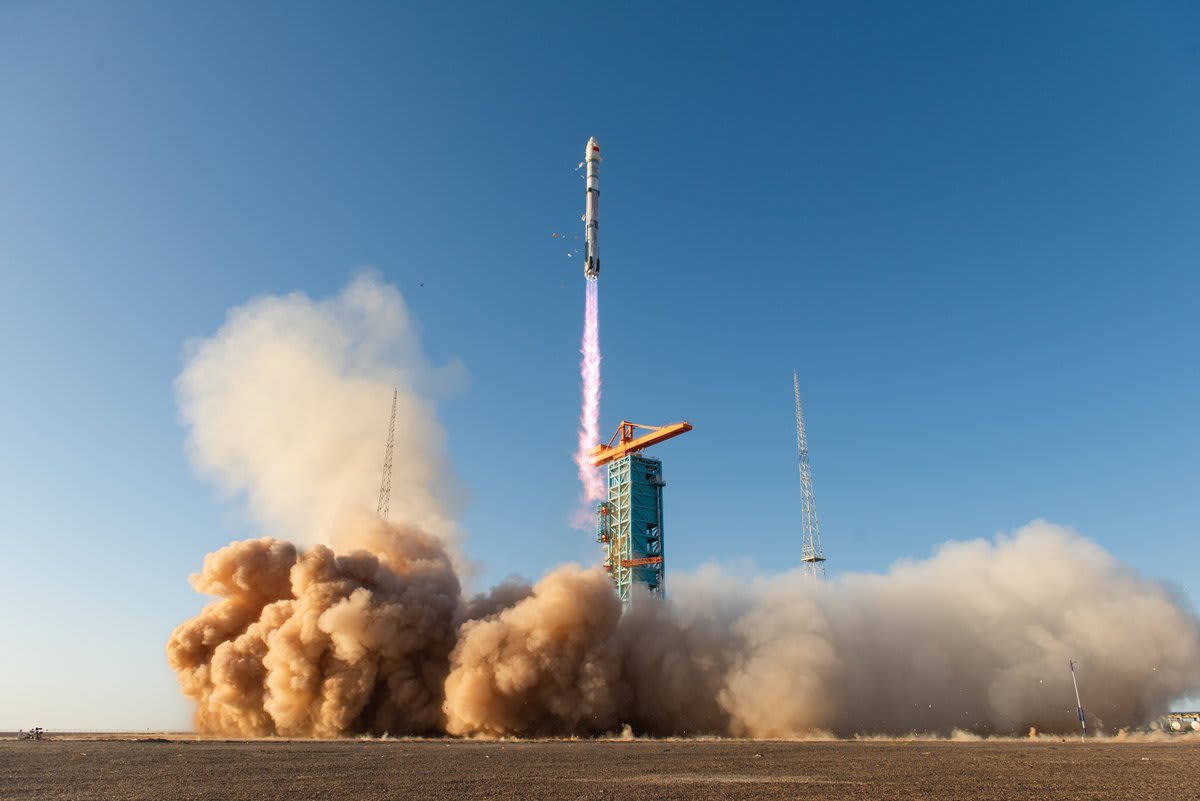
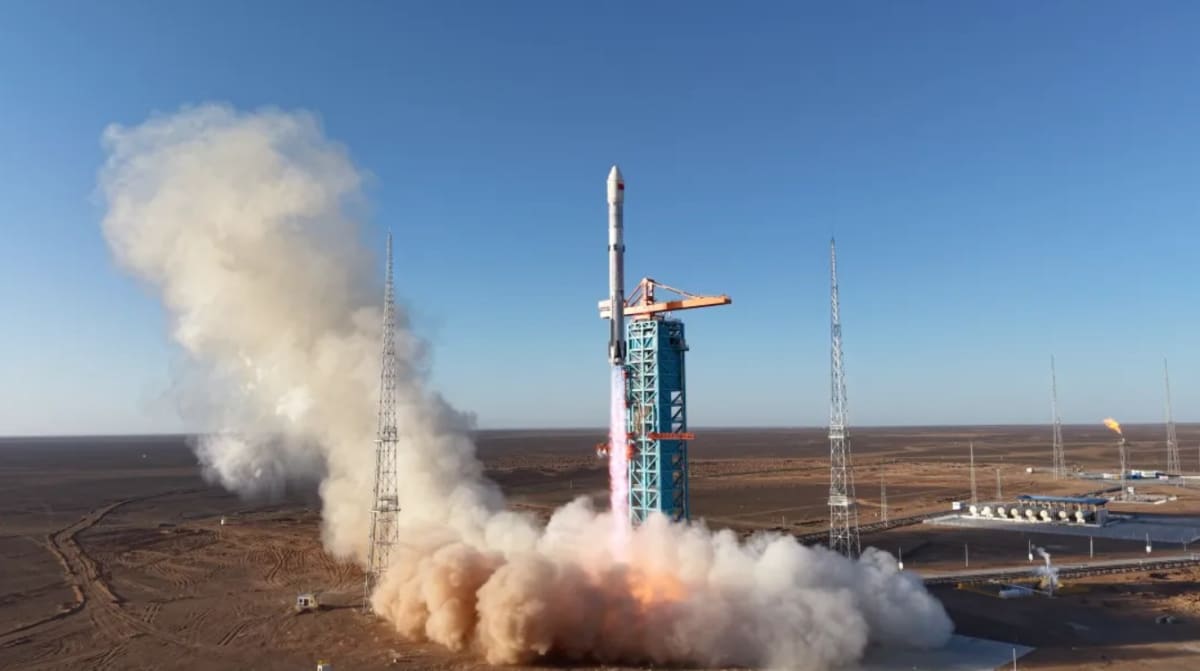
China's LandSpace made history Wednesday by successfully landing the first stage of its Zhuque-3 rocket, becoming just the third private company ever to recover an orbital-class booster. The achievement places the startup in elite company with SpaceX and Blue Origin, signaling a new era of competition in reusable space technology.
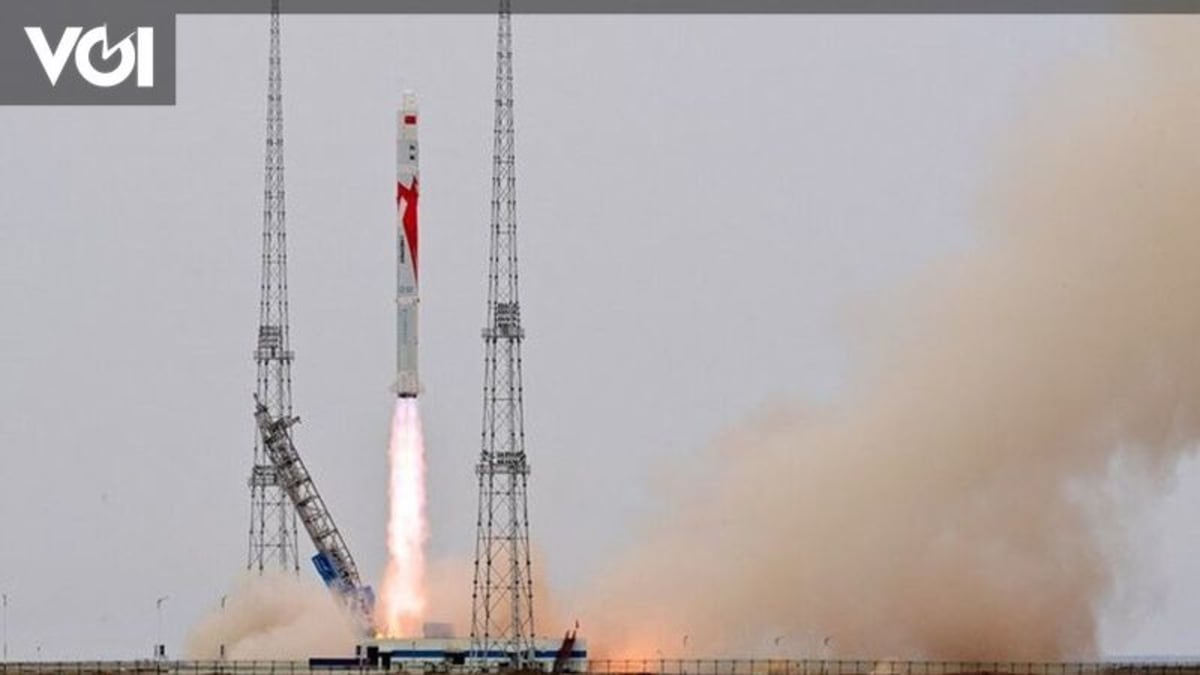
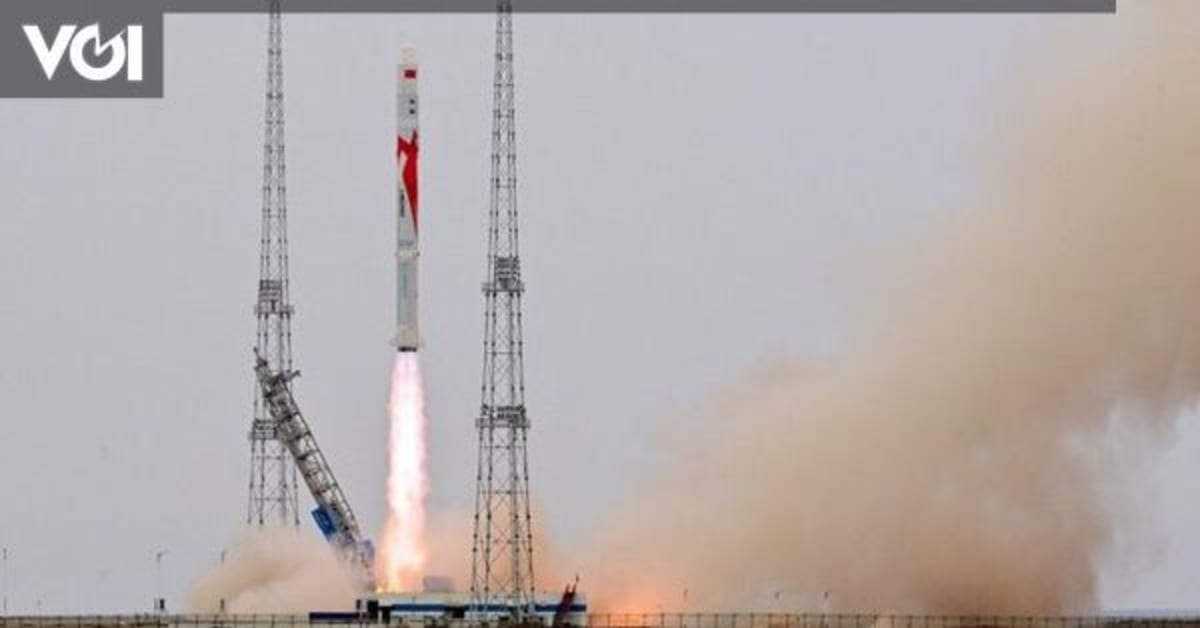
The 66-meter-tall stainless steel rocket launched from northwest China's Dongfeng Commercial Space Innovation Pilot Zone. Its first stage, powered by nine engines, separated mid-flight and then autonomously navigated back to Earth, touching down 390 kilometers southeast of the launch site in Gansu Province.
This was actually LandSpace's second attempt at recovery. Their first try in December 2024 reached orbit successfully, but the booster crashed during landing instead of touching down gently on its legs.
Why does landing a rocket matter so much? Because traditionally, rocket boosters have been thrown away after a single use, making each launch enormously expensive. Reusability changes everything by allowing the same hardware to fly multiple times, dramatically cutting costs and making space more accessible.
The Zhuque-3 uses some clever engineering choices. Its stainless steel construction offers better heat resistance than the aluminum-lithium alloy used in SpaceX's Falcon 9, potentially reducing production costs. The rocket burns methane and liquid oxygen, a combination LandSpace says produces a cleaner burn than the kerosene-based fuel in Falcon 9.
The numbers show both promise and room to grow. Zhuque-3 can carry 14.2 tons to low Earth orbit compared to Falcon 9's 22.8 tons. LandSpace plans to reuse each booster up to 20 times, while SpaceX already reuses Falcon 9 boosters dozens of times across roughly 150 launches per year.
The Ripple Effect
LandSpace's success isn't just about one company or one country. The achievement accelerates global progress toward affordable space access, which benefits everyone from scientific researchers to communication networks to environmental monitoring efforts.
Competition in reusable rocket technology means more options, better prices, and faster innovation. When multiple companies master this technology, space becomes less exclusive and more practical for universities, smaller nations, and commercial ventures that couldn't afford traditional launch costs.
LandSpace is now pursuing a $1.11 billion IPO on Shanghai's STAR Market to fund expanded launch services. The company plans to refly this recovered booster within six months, laying groundwork for what they call "low-cost, high-frequency commercial launches."
The sky is no longer the limit when the hardware comes back home.
More Images



Based on reporting by Google: SpaceX launch success
This story was written by BrightWire based on verified news reports.
Spread the positivity!
Share this good news with someone who needs it