China's LandSpace Lands Reusable Rocket in Space Race Win
A Chinese startup just successfully landed and recovered a reusable rocket, joining SpaceX and Blue Origin in an elite club. The achievement shows how rapidly China is catching up in the commercial space race.
China just proved it can compete with America's top space companies, and the timing couldn't be more dramatic.
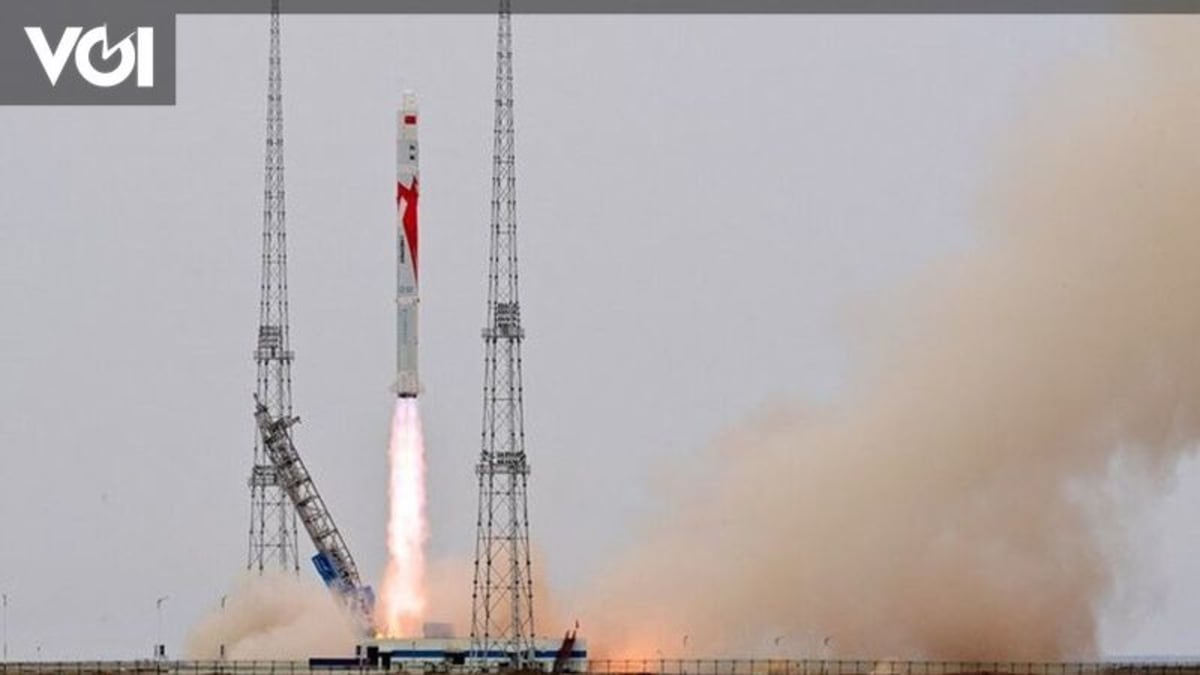
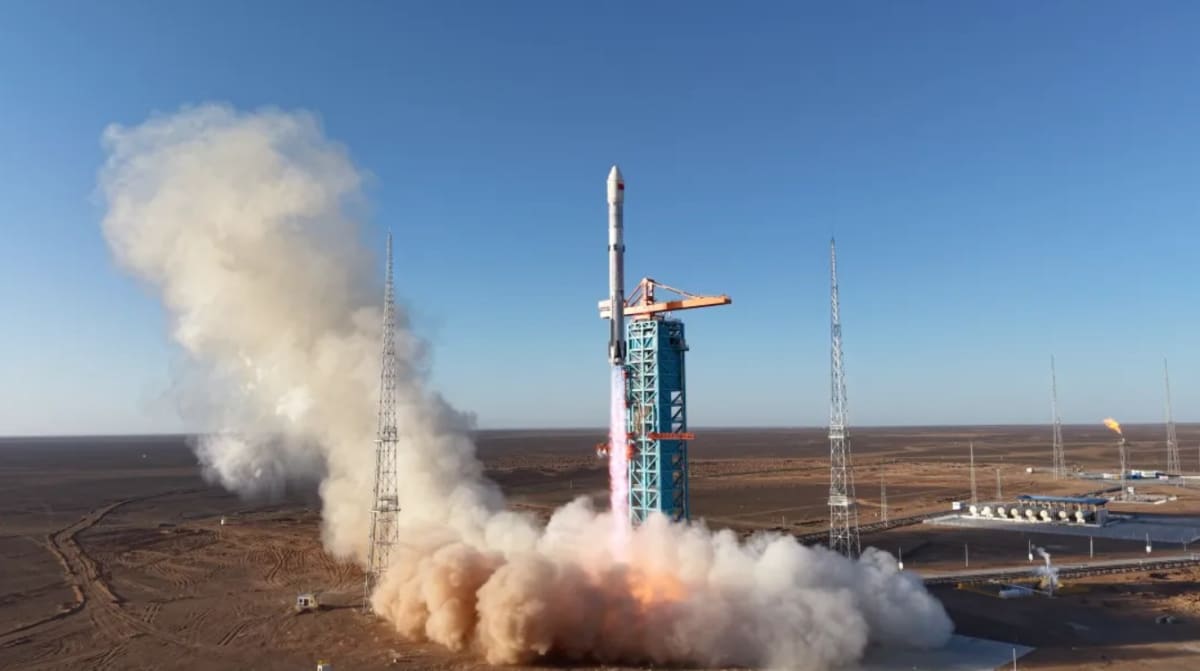
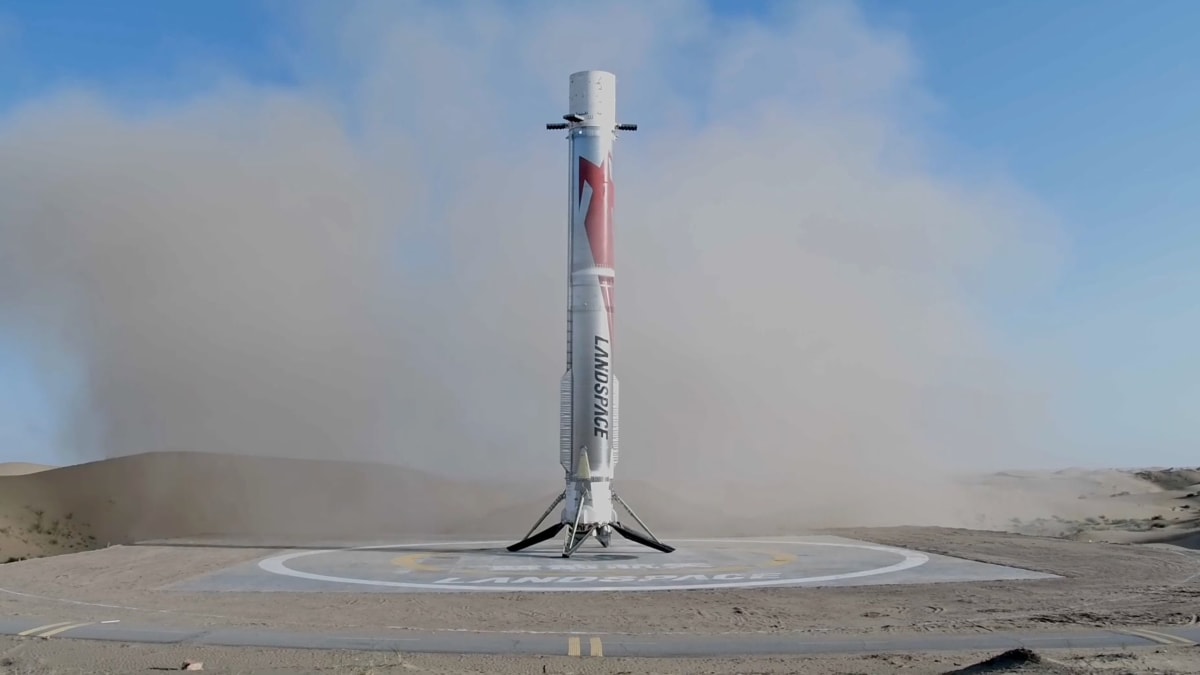
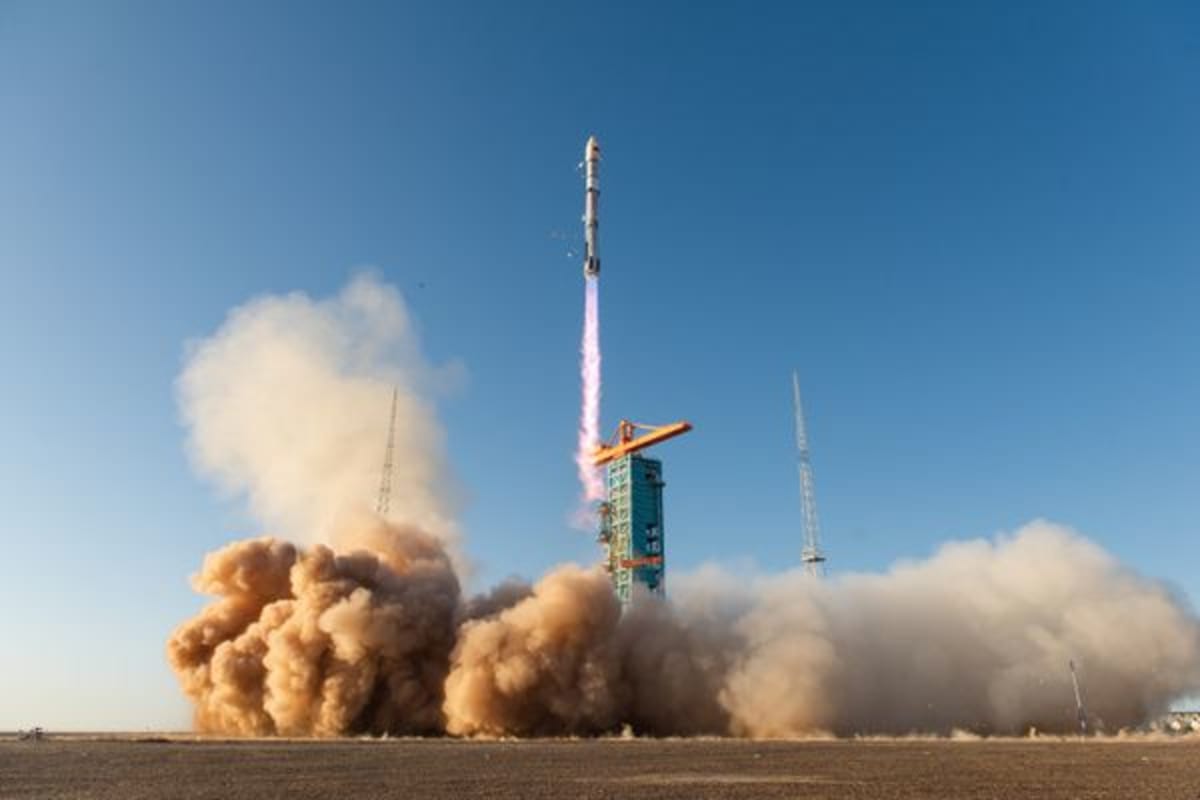
LandSpace, a Chinese space startup, successfully landed its Zhuque-3 rocket on Wednesday after launching from northwestern China. The rocket's first stage traveled 242 miles before touching down safely at a landing site in Gansu province, marking a huge milestone for China's commercial space industry.
The success is even sweeter considering LandSpace's first landing attempt eight months ago ended in flames when the rocket exploded on the pad. But the company didn't give up, and now they've joined the exclusive club of SpaceX and Blue Origin as the only companies to successfully land and recover orbital rockets.
The 216-foot Zhuque-3 rocket is built from stainless steel, which LandSpace says makes it cheaper to build and more durable during reentry than SpaceX's aluminum Falcon 9. It's designed to fly up to 20 times, carrying 14.2 metric tons to low-Earth orbit on each mission.
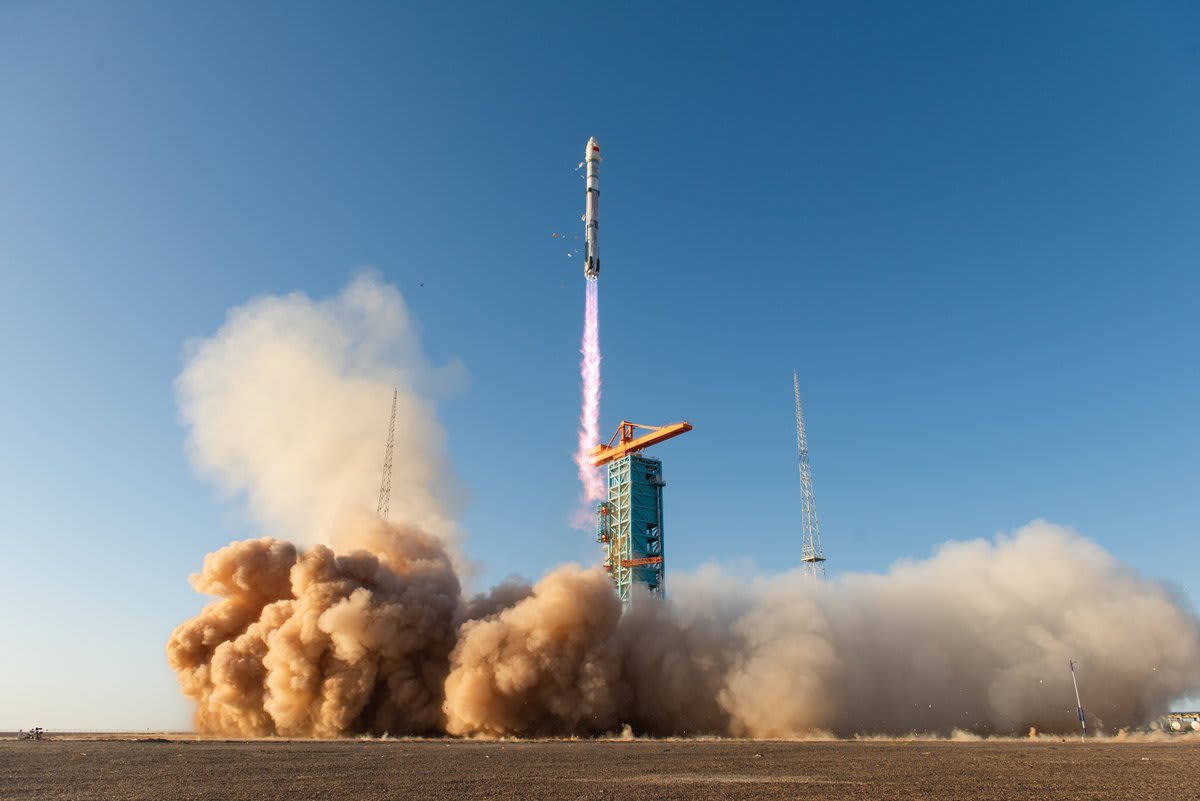
Sure, the Falcon 9 can still carry more cargo and has already completed 36 flights with a single booster. But China is moving fast. Just last month, another Chinese rocket called the Long March 10B also stuck its landing during an orbital test.
The Ripple Effect
This isn't just about bragging rights or beating competitors. These reusable rockets are the workhorses that will make space access affordable and routine for everyone.
China plans to use two Long March 10B rockets for its first human moon landing mission by 2030, with one carrying astronauts and another carrying the lunar lander. The U.S. is racing to return humans to the moon by 2028, though delays could push that timeline back.
Space security experts predict the race might end in a photo finish, with the U.S. potentially landing first but China establishing a permanent crewed lunar station sooner. Victoria Samson from the Secure World Foundation told Scientific American she sees both nations pushing each other toward greater achievements.
Every successful landing brings us closer to a future where launching satellites, conducting research, and exploring beyond Earth becomes as routine as air travel. When countries compete in space, humanity wins through faster innovation and more opportunities to solve problems both on Earth and beyond.
The new space race is heating up, and it's taking us all along for the ride.
More Images



Based on reporting by Scientific American
This story was written by BrightWire based on verified news reports.
Spread the positivity!
Share this good news with someone who needs it