China's Moon Hopper Will Leap Into Craters NASA Can't Reach
China is launching a groundbreaking mission to explore the Moon's darkest craters using a hopping robot that can leap over broken terrain where wheeled rovers can't go. The Chang'e-7 mission could unlock access to billions of years of frozen water, bringing humanity closer to actually living and working on the Moon.
China is about to send a robot to hop into some of the most valuable real estate in the solar system.
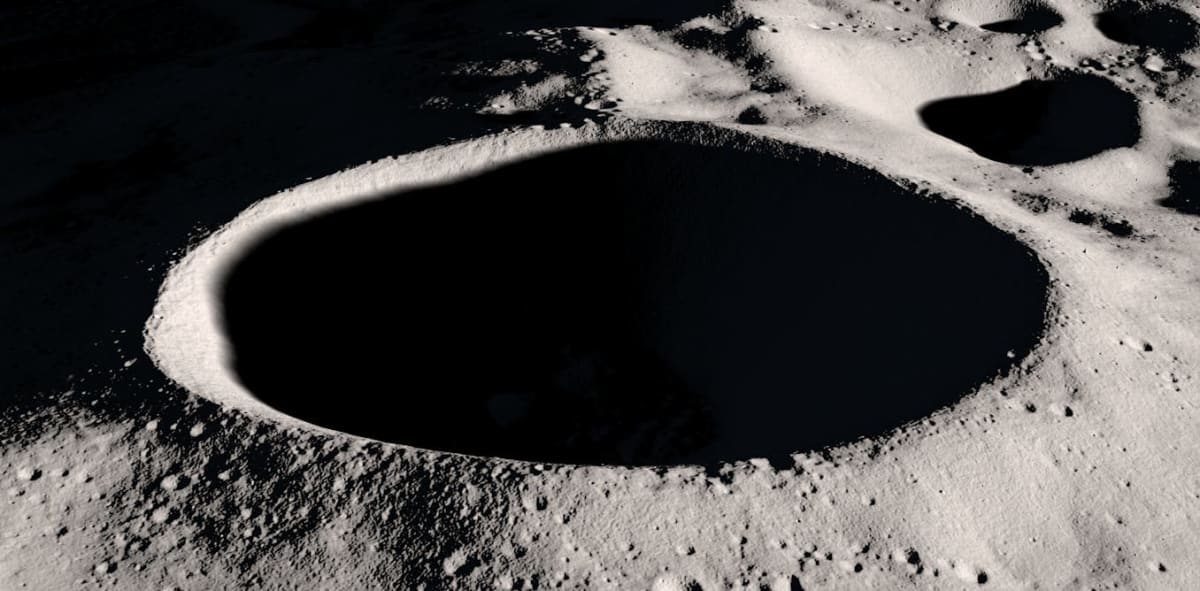
The Chang'e-7 mission, launching later this month, will deploy an innovative hopper vehicle designed to leap into permanently shadowed craters at the Moon's South Pole. These craters hold water ice that's remained frozen for billions of years at temperatures below negative 200 degrees Celsius, but they're so dark and steep that conventional wheeled rovers simply can't reach them.
The hopper changes everything. Unlike its wheeled cousins, it can jump over broken terrain and descend into places where sunlight has never touched the surface, navigating autonomously through conditions that would trap traditional vehicles.
The mission includes an orbiter, lander, rover, and the star hopper, all working together to answer one crucial question. Scientists already know water exists on the Moon, but they need to discover exactly where it's located, how much is accessible, and whether future explorers could actually use it.
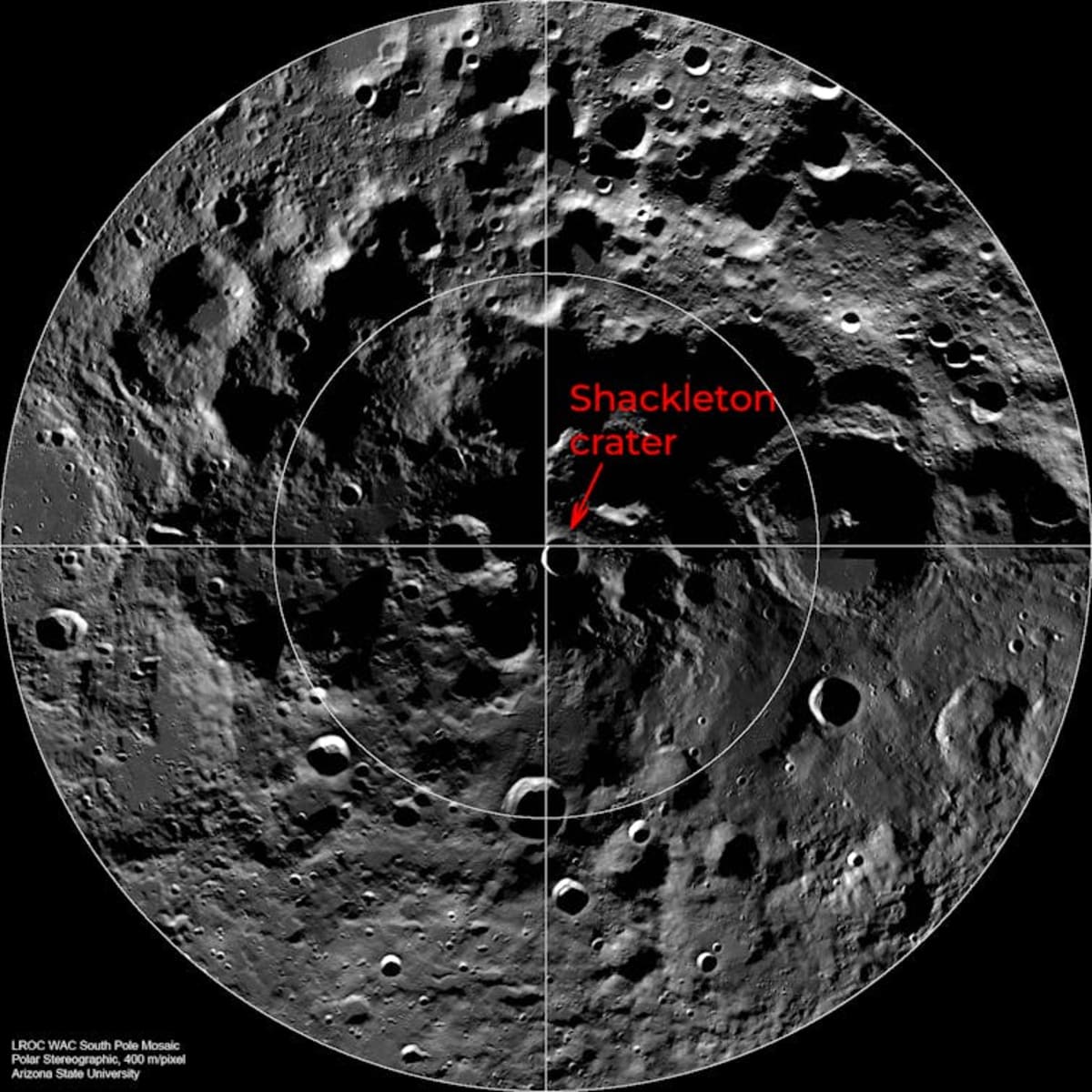
China has spent two decades building toward this moment through its Chang'e program, named after the ancient Chinese goddess of the Moon. The likely landing site is an illuminated ridge near Shackleton crater in the Lunar South Pole region, positioning the hopper perfectly to leap into the shadowy depths below.
The Ripple Effect
This mission represents a fundamental shift in how we think about space exploration. The goal isn't just to visit the Moon anymore but to determine whether humans can actually live and work there using resources already present.
NASA is tackling the same challenge through a completely different approach. The American space agency created a lunar marketplace through its Commercial Lunar Payload Services program, buying delivery and mobility services from private companies that own their own spacecraft.
Both approaches are teaching us valuable lessons. NASA's Intuitive Machines attempted similar hopping experiments, though the lander fell over just one day after arriving. Each setback and success from different programs helps solve the same fundamental problems: navigating darkness, extreme cold, broken terrain, and communication blackouts.
China's Chang'e-8 mission, planned for 2028, will build on whatever Chang'e-7 discovers by demonstrating how to actually use lunar resources. That could pave the way for the International Lunar Research Station, a joint project between China and Russia designed for sustained human presence.
The lunar South Pole doesn't care which country plants a flag there first. Every explorer faces the same brutal conditions, and every solution learned by one program benefits everyone trying to establish a lasting human presence beyond Earth.
Getting to the Moon defined the 20th century, and learning to thrive there may define ours.
More Images
Based on reporting by Google News - Science
This story was written by BrightWire based on verified news reports.
Spread the positivity!
Share this good news with someone who needs it