NASA's CloudCube Radar Weighs Clouds From the Sky
Scientists just launched a breakthrough radar system that can actually weigh clouds to predict weather and climate changes more accurately. The tiny three-signal instrument does what used to require multiple satellites.
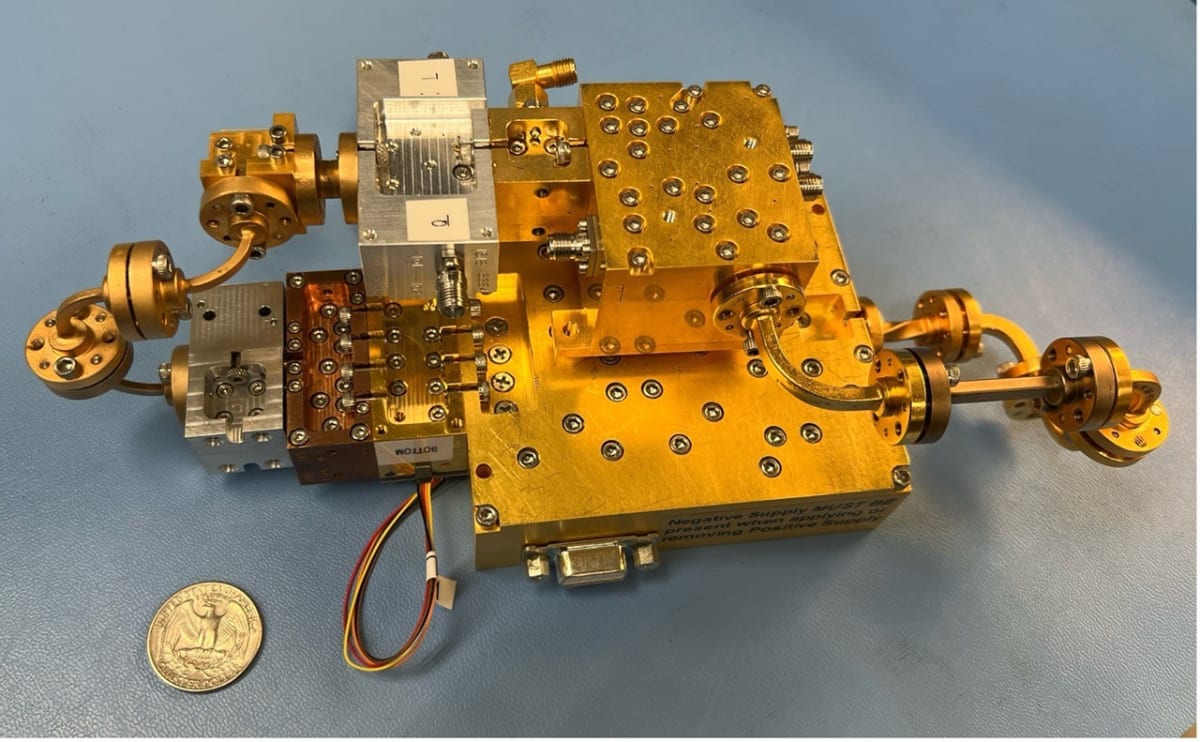
Scientists at NASA's Jet Propulsion Laboratory just created a game-changing radar small enough to fit in your trunk that can measure clouds in ways we've never done before.
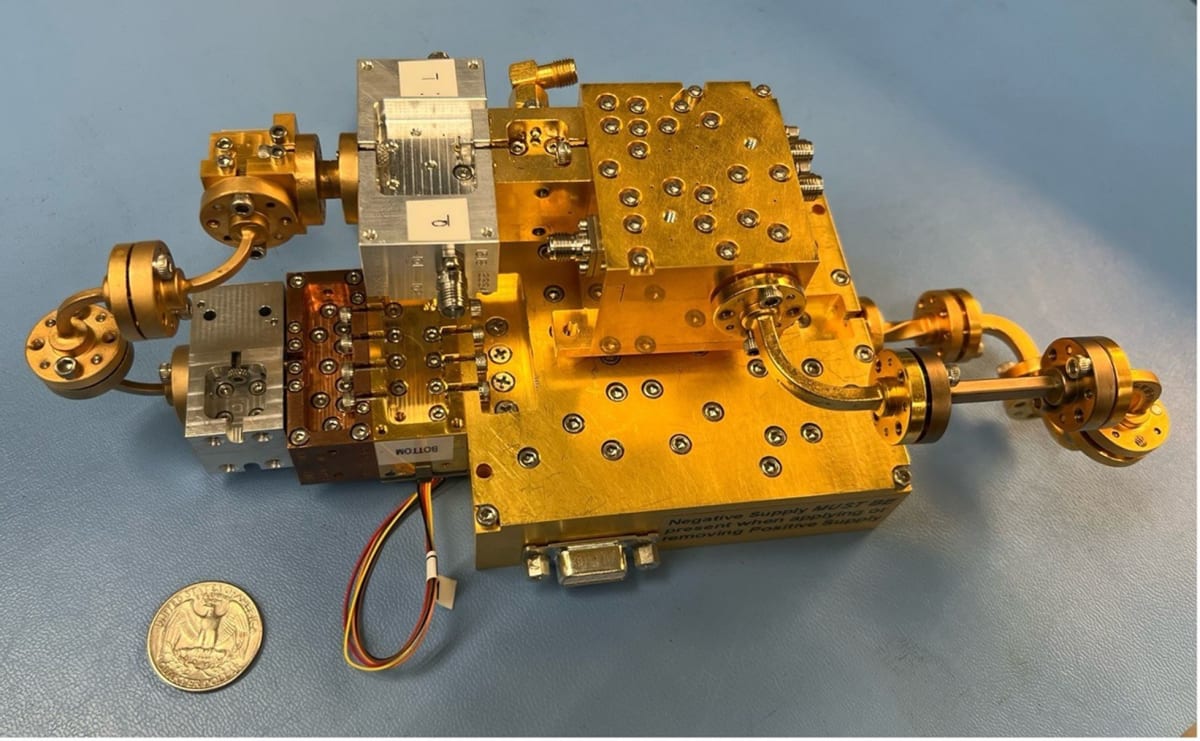
CloudCube is the first compact radar system that sends out three different signals at once to study clouds and rain from every angle. Think of it like using three different cameras to capture a complete picture instead of just one blurry snapshot.
The instrument's three signals each have a special job. Ka-band measures falling rain and snow, W-band tracks the tiny particles inside clouds before they become precipitation, and G-band does something never done from space: it measures the actual ice and water content inside wispy, thin clouds.
"Basically, we're weighing clouds using these combinations of frequencies in a way that we couldn't do before," said Matt Lebsock, a JPL researcher working on CloudCube. That weight data helps scientists understand how clouds form, evolve, and affect our planet's temperature.
What makes CloudCube revolutionary is its size and efficiency. Previous systems needed separate satellites and massive amounts of power to do what CloudCube does in one lightweight package. The team cracked the code on generating powerful G-band signals (which require tons of energy) from a device that uses minimal power.
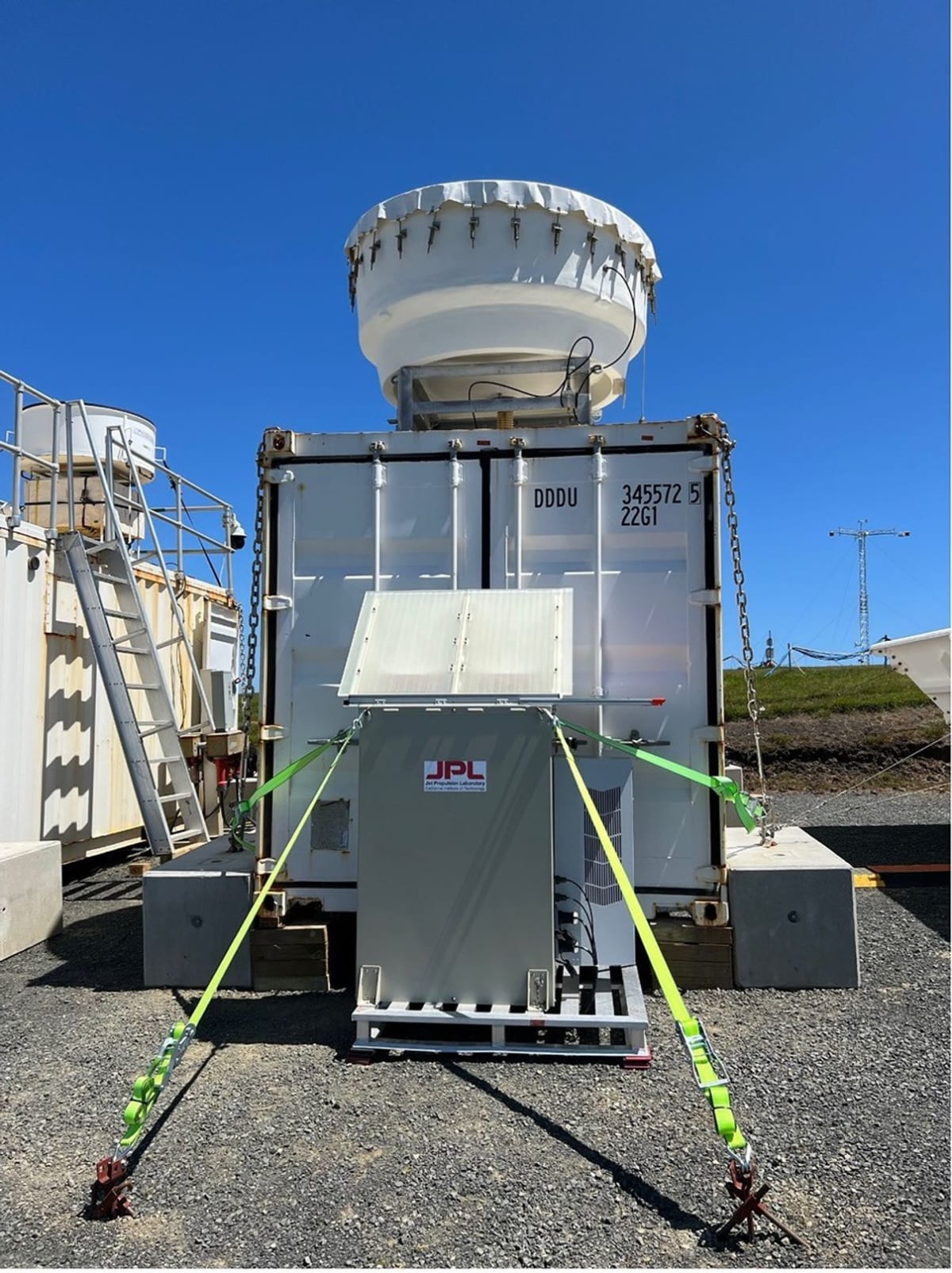
The radar has already proven itself in the real world. A prototype ran continuously for 11 months in Tasmania, collecting data through all weather conditions. Most recently, CloudCube flew on a NASA research plane through snowstorms to capture its first airborne observations during a winter weather study.
The Ripple Effect
Better cloud measurements mean better weather forecasts that save lives during storms and more accurate climate models that help us prepare for the future. When scientists understand exactly how clouds trap or reflect heat, they can predict temperature changes years in advance instead of making educated guesses.
The compact design also means future weather satellites can cost less to build and launch. More affordable satellites mean more countries and research teams can monitor their own weather systems, spreading this life-saving technology globally.
Lead engineer Raquel Rodriguez Monje calls it "a low-power, low-mass instrument to facilitate new cost-efficient missions for atmospheric observations." Translation: we can now put better weather eyes in the sky without breaking the bank.
The team is currently processing data from recent flights to share with researchers worldwide, opening up a new era of cloud science that will touch everyone who checks tomorrow's forecast.
More Images
Based on reporting by NASA
This story was written by BrightWire based on verified news reports.
Spread the positivity!
Share this good news with someone who needs it