China's Tea Farms Now Grow Solar Power and Better Tea
A massive solar installation in China's tea country is proving that crops and clean energy can thrive together. The project boosts both electricity and tea quality while creating jobs for local farmers.
Imagine walking through terraced tea fields where the plants grow under rows of solar panels, each one producing cleaner tea and cleaner energy at the same time.
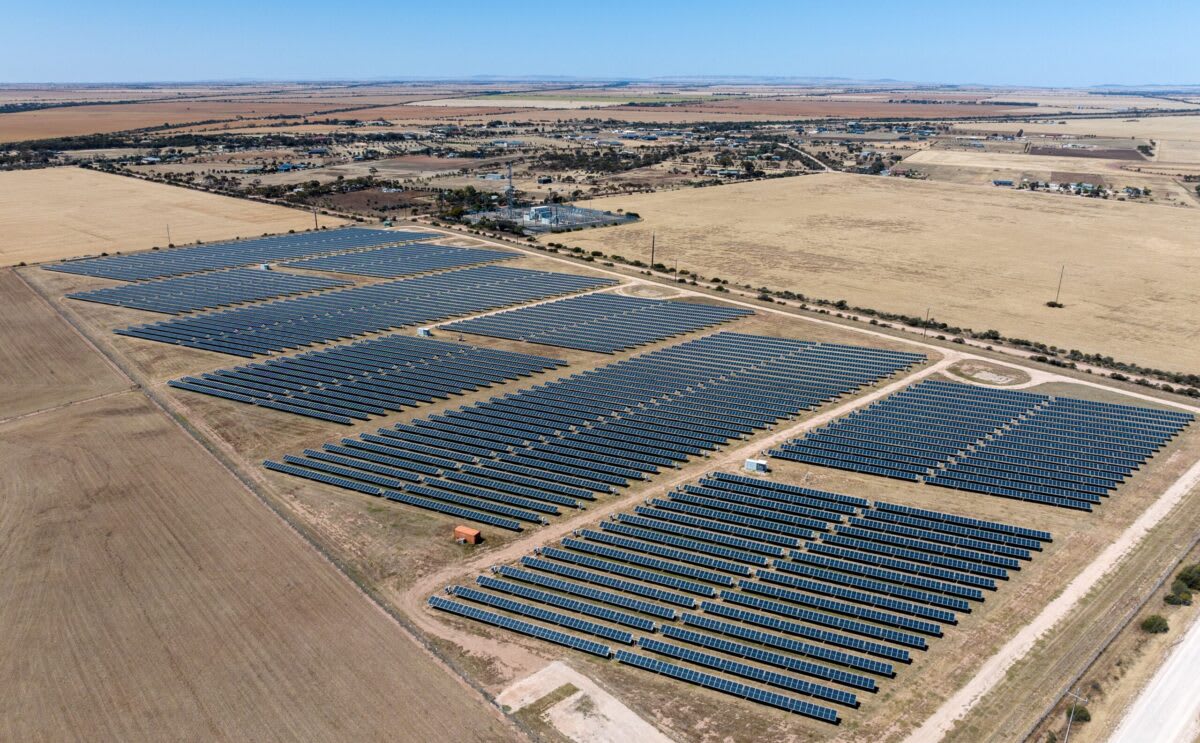
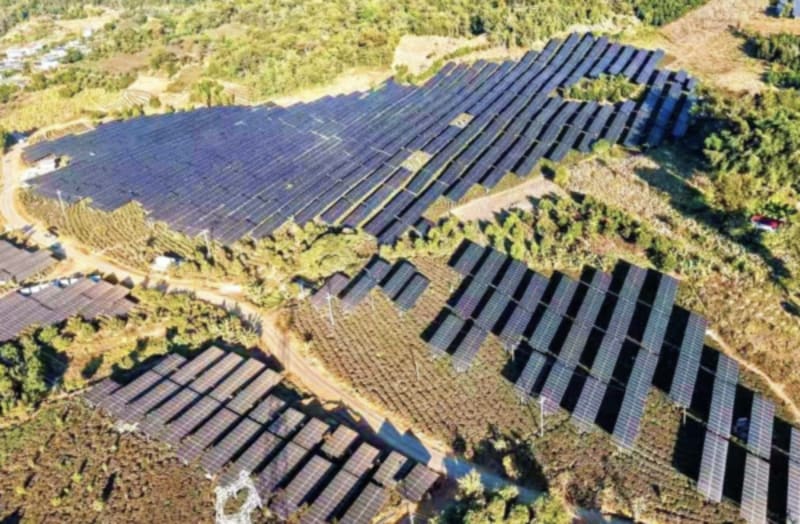
That vision just became reality in southwestern China, where CHN Energy completed the first phase of a groundbreaking agrivoltaic project at Mengsheng Farm in Yunnan province. The 32-megawatt installation stretches across 666,000 square meters of working tea plantations.
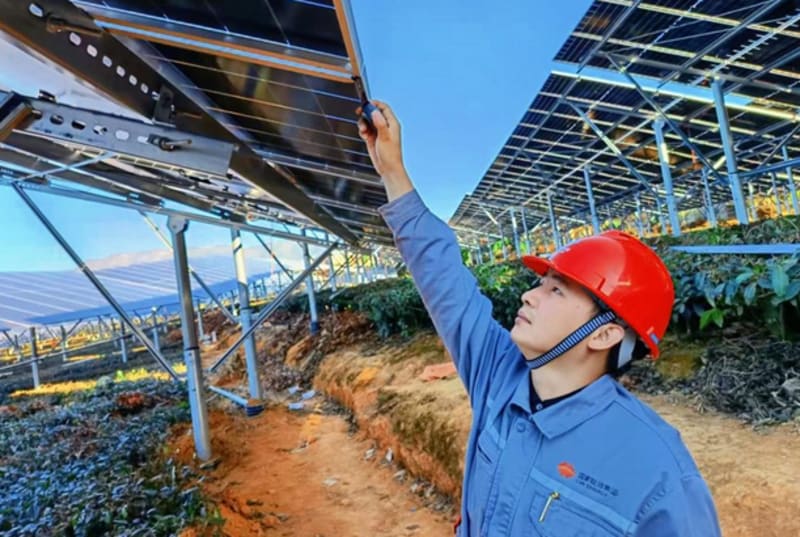
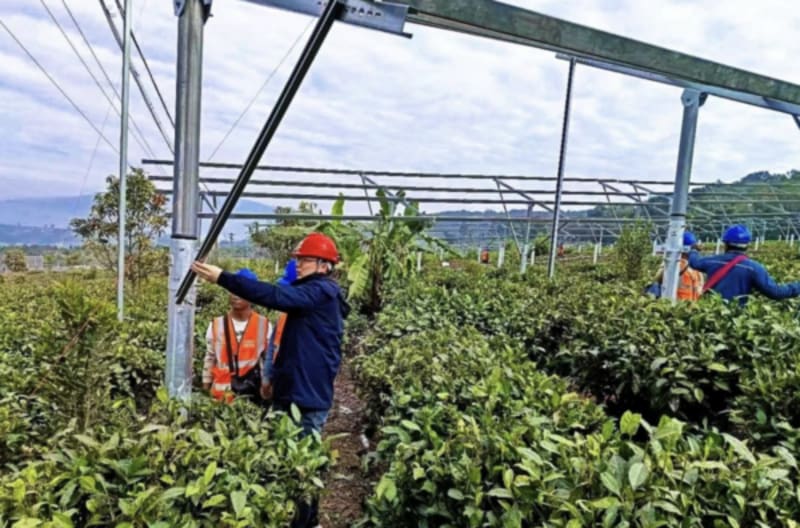
The solar panels sit 2.5 meters above the ground, high enough that tractors and farming equipment can move freely underneath. Tea workers continue their daily routines while the panels generate electricity overhead, creating what engineers call a "positive micro-cycle system."
Here's where it gets interesting. The panels aren't just coexisting with the tea plants. They're actually improving them. The moderate shade from the solar arrays helps produce higher quality tea leaves, while the maintained plantation protects the solar equipment from harsh environmental conditions.
Construction started in August under Guohua Energy Investment, a subsidiary of CHN Energy. When fully operational, the farm will feed roughly 85,000 terawatt hours of clean electricity back to the local power grid each year. That's enough energy to power thousands of homes while the tea business continues uninterrupted below.
The Ripple Effect
The benefits extend far beyond electricity production. Local residents are seeing real economic gains through land lease payments that provide steady income for farmers who once relied solely on seasonal tea harvests.
The project created direct employment opportunities for community members, many of whom now work maintaining both the solar arrays and the tea crops. Skills training programs are teaching farmers new technical abilities they can use throughout their careers.
This dual-use model addresses two critical challenges at once: producing renewable energy without sacrificing valuable farmland, and helping rural agricultural communities build more diverse, resilient economies.
China has been experimenting with agrivoltaics for several years, but this tea plantation project demonstrates how the technology can adapt to specialty crops with specific growing requirements. Other agricultural regions watching this experiment could soon follow with their own solar-farm hybrid projects.
The Mengsheng Farm proves that fighting climate change doesn't mean choosing between food security and clean energy.
More Images

Based on reporting by PV Magazine
This story was written by BrightWire based on verified news reports.
Spread the positivity!
Share this good news with someone who needs it