Philippines Solar Boom Slashes Power Bills by 30%
Filipinos are installing rooftop solar panels at record speed, cutting their electricity costs from four years to just three. A surge of affordable Chinese panels is making clean energy accessible to millions facing Southeast Asia's highest power bills.
Families and businesses across the Philippines are finally catching a break from sky-high electricity costs, thanks to an explosion in rooftop solar installations that's transforming how the country powers itself.
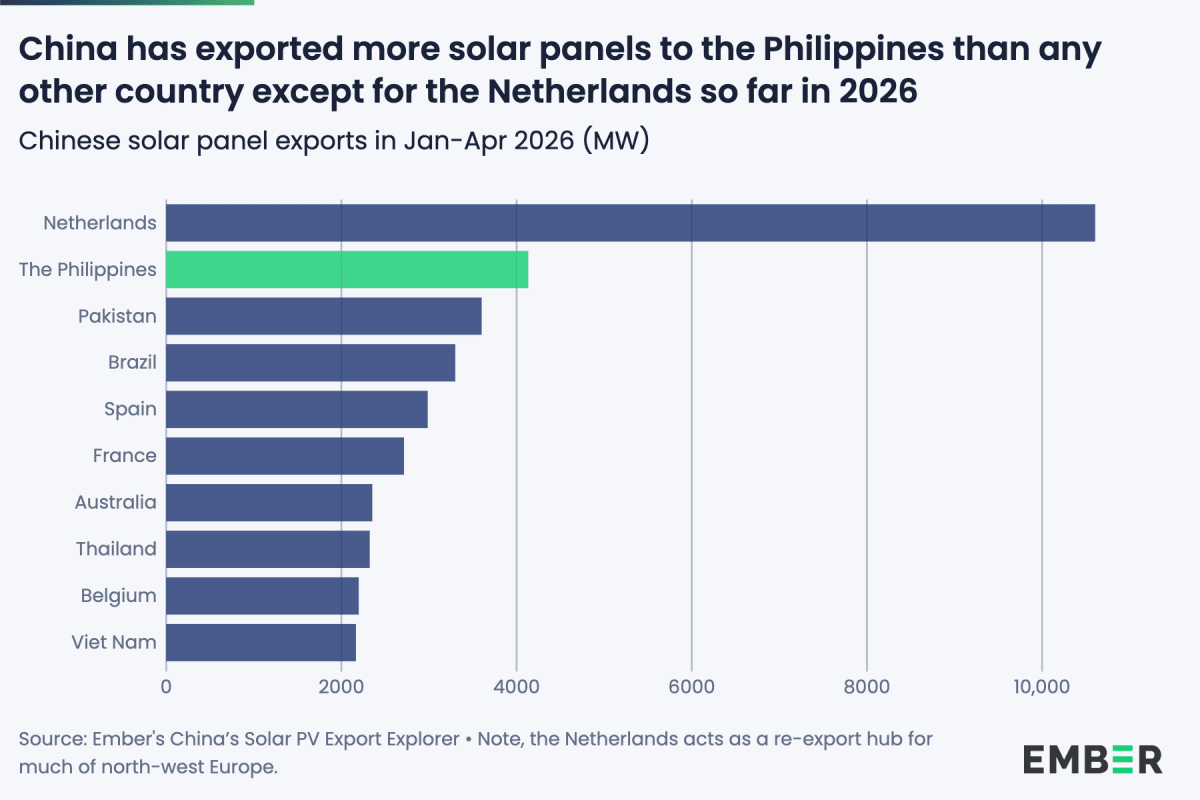
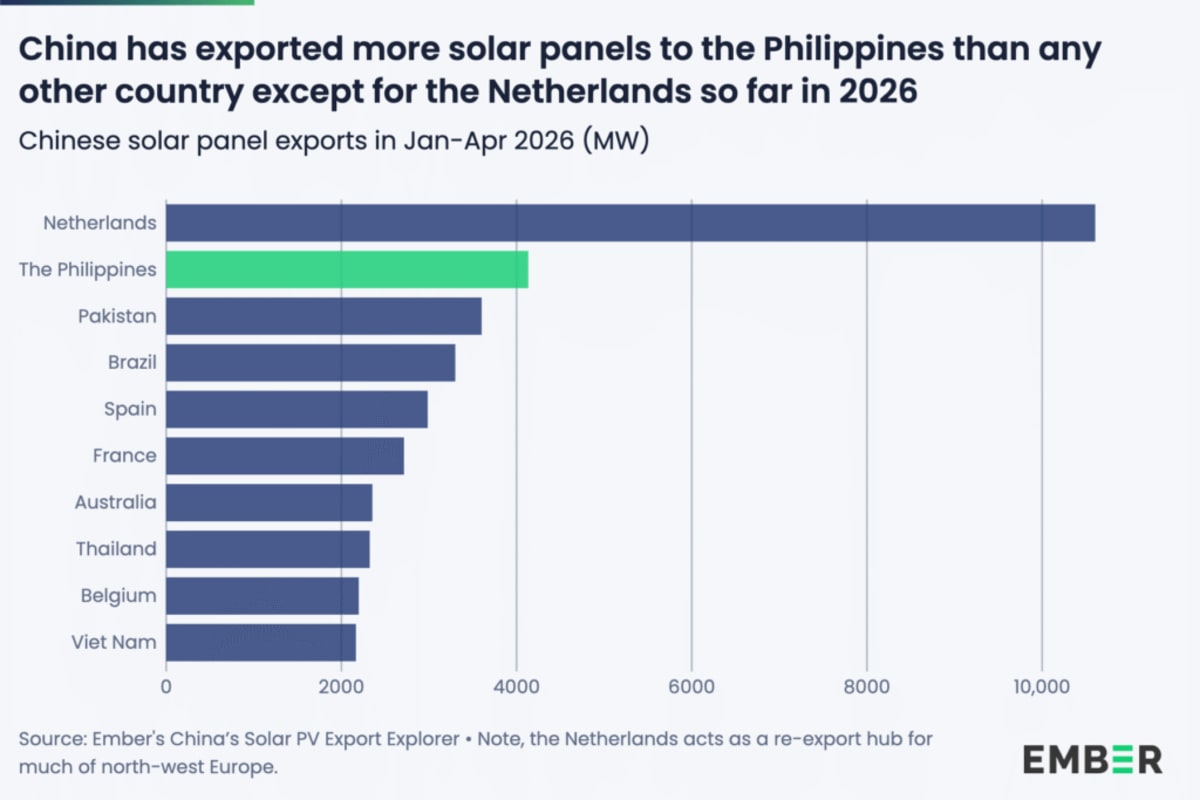
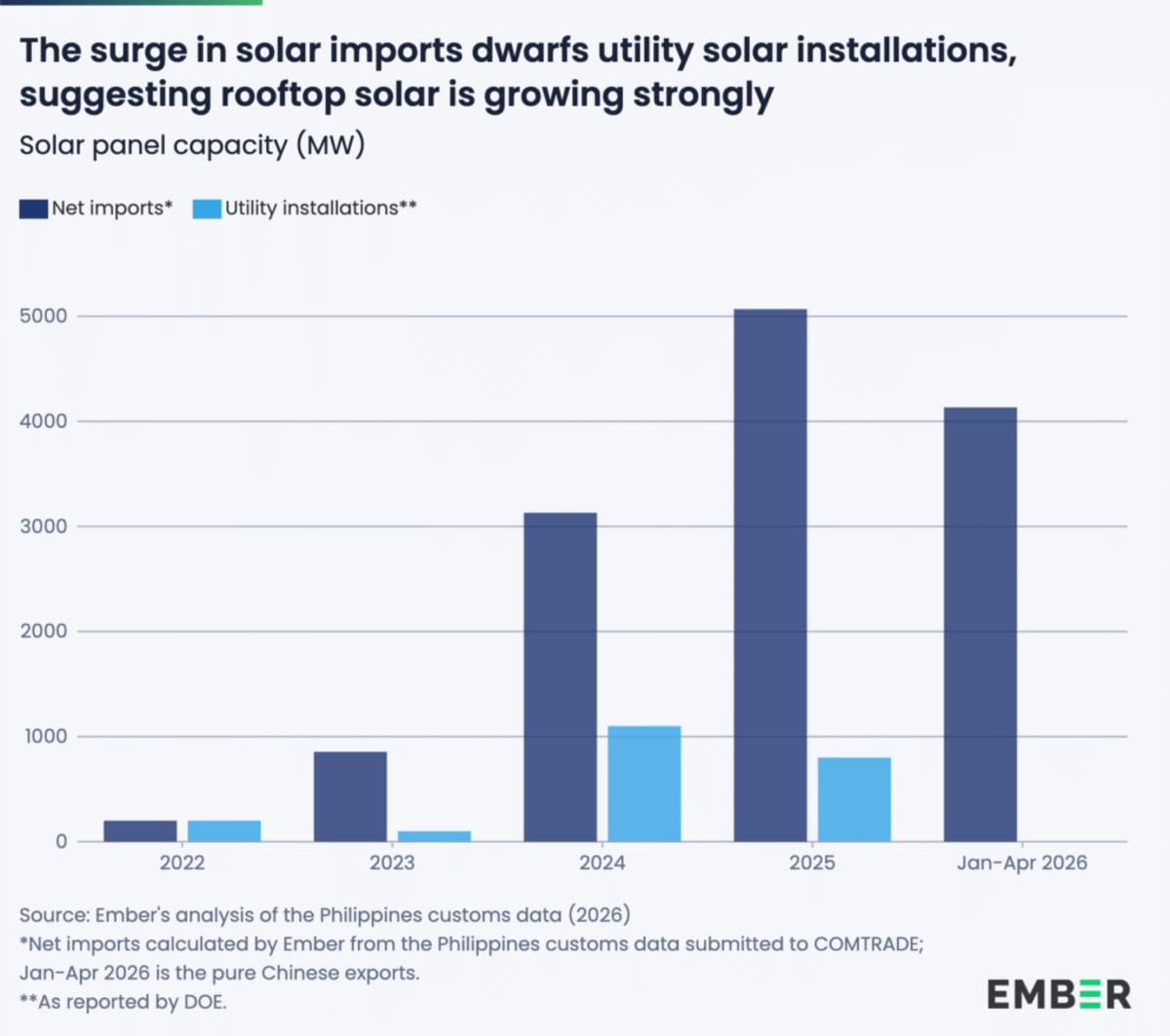
The nation imported over 4 gigawatts of solar panels in just the first four months of this year. That's enough capacity to power millions of homes and represents more Chinese solar exports than to any country except the Netherlands, Europe's import hub.
The timing couldn't be better. Retail electricity prices jumped 17% between May 2025 and May 2026, making the Philippines home to Southeast Asia's most expensive residential power. Commercial rates climbed 18%, squeezing businesses already struggling with high overhead costs.
But here's where the story gets bright. Those soaring electricity prices combined with plummeting solar panel costs have created a perfect storm for renewable energy adoption. The payback period for residential solar systems crashed from four years to just 3.1 years, while commercial installations now pay for themselves in only 2.3 years.
Energy think tank Ember analyzed customs data and found something remarkable happening. Rooftop solar capacity has already jumped from 721 megawatts at the start of 2025 to around 1.3 gigawatts today, and the panel inventory building up suggests installations are about to accelerate even faster.
The country imported five times more solar capacity in 2025 than the utility-scale solar it actually installed that year. This massive inventory means thousands more families and businesses will soon be cutting their power bills and reducing their carbon footprint.
The Philippines is even building its own solar manufacturing industry. Two gigawatt-scale factories opened in the past year, producing panels domestically instead of relying solely on imports. Chinese solar cell exports to the Philippines exploded from nearly nothing to $292 million worth between October 2025 and March 2026.
The Ripple Effect
This solar surge means more than just lower electric bills. Every rooftop panel installed helps the Philippines break free from expensive fossil fuel dependency while creating local manufacturing jobs and technical expertise.
The government is making it easier too, streamlining approval processes for net metering programs that let homeowners sell excess solar power back to the grid. Expanded solar loan programs are putting installations within reach of middle-class families who couldn't afford the upfront costs before.
Experts say deploying 3.5 gigawatts of rooftop solar paired with battery storage within 24 months is totally achievable. That would match the capacity of the country's massive MTerra Solar project but spread across thousands of rooftops instead of one centralized facility.
Dave Jones, Chief Analyst at Ember, calls the rooftop solar revolution "inevitable" and sees it as the Philippines' path toward cheap, abundant electricity for everyone.
The math is simple: expensive electricity plus affordable solar panels equals a clean energy transformation that's already underway.
More Images


Based on reporting by PV Magazine
This story was written by BrightWire based on verified news reports.
Spread the positivity!
Share this good news with someone who needs it