China's Tiangong Space Station Visible Over US This Week
Three astronauts are currently living aboard China's space station, and for the next week, millions of Americans will be able to see it soaring across the night sky. It's almost as bright as Jupiter and requires no telescope.
If you've ever spotted the International Space Station crossing the night sky, you're about to get a new celestial neighbor to watch for.
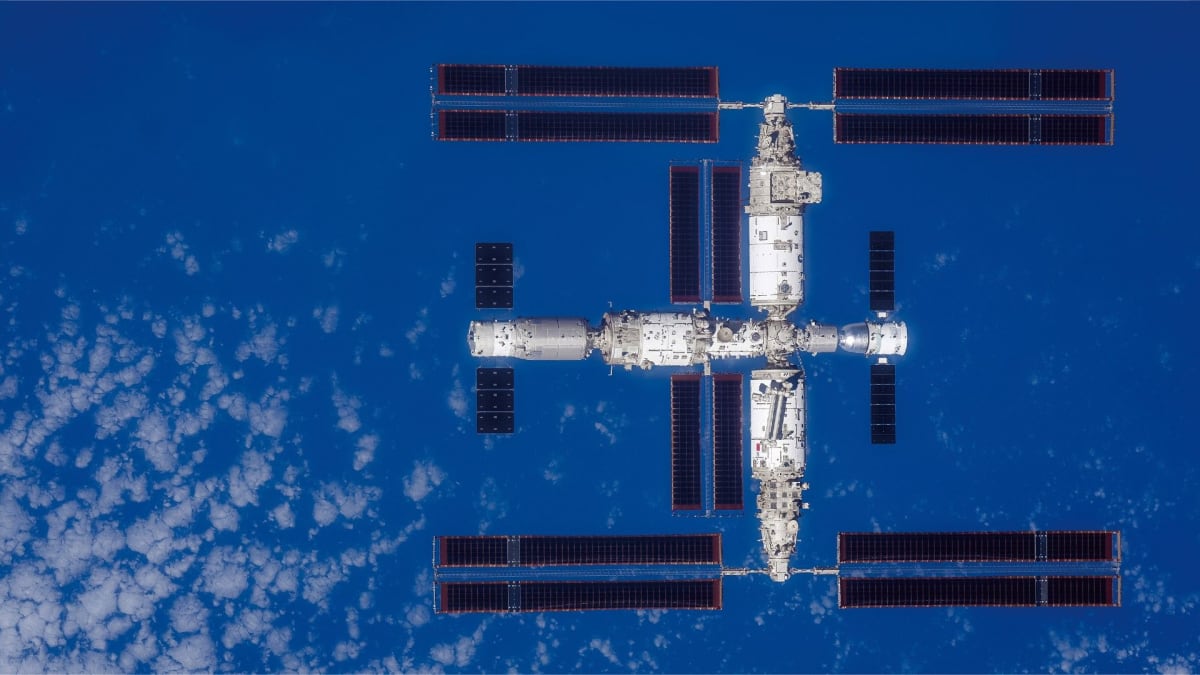
China's Tiangong space station is making spectacular passes over the eastern United States this week, shining nearly as bright as Jupiter as three astronauts live and work 242 miles above Earth. No telescope needed—just clear skies and good timing.
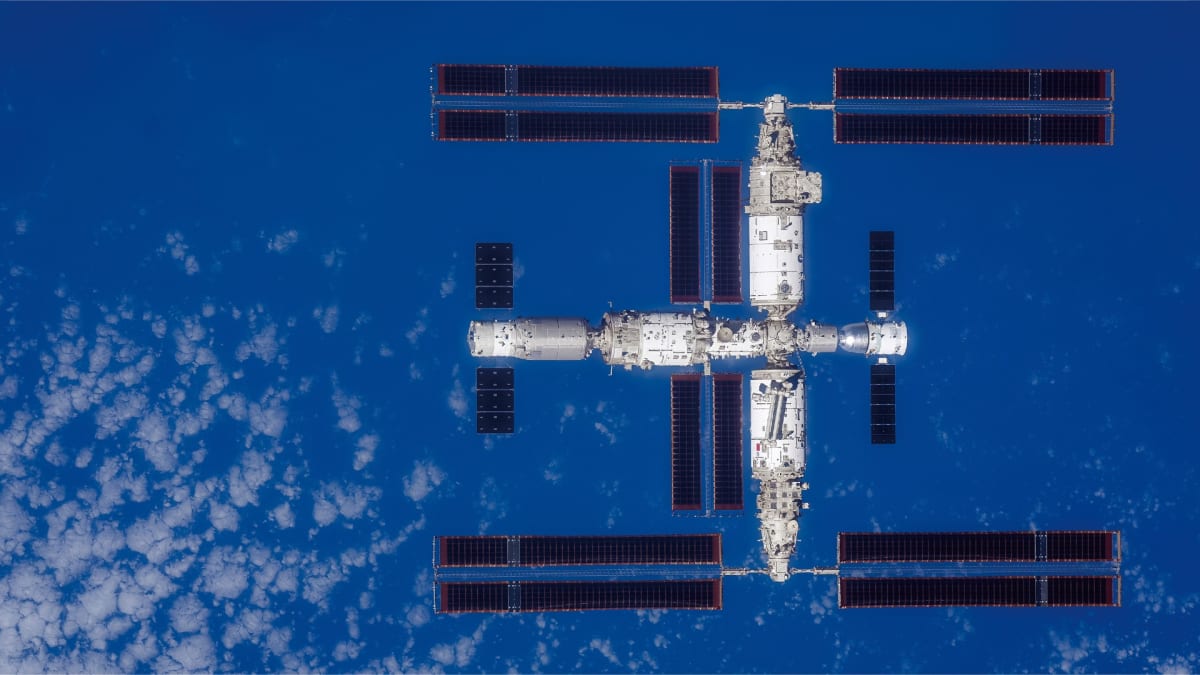
Tiangong, which means "Heavenly Palace," is China's first permanently inhabited space station. The three-module outpost weighs about 100 tons and circles our planet every 90 minutes, home to taikonauts Zhu Yangzhu, Zhang Zhiyuan, and Li Jiaying, who are currently on the Shenzhou-23 mission.
The best viewing window opens about an hour or two after sunset, when you're standing in darkness but the station overhead can still catch sunlight. For viewers along the East Coast, prime viewing runs from early September through mid-September, with passes lasting between two and six minutes.
From New York City, the station will make particularly stunning appearances, climbing as high as 88 degrees above the horizon on September 9. That's nearly straight overhead. The station reaches magnitude minus 2.2 at its brightest, making it one of the most luminous objects in the night sky.
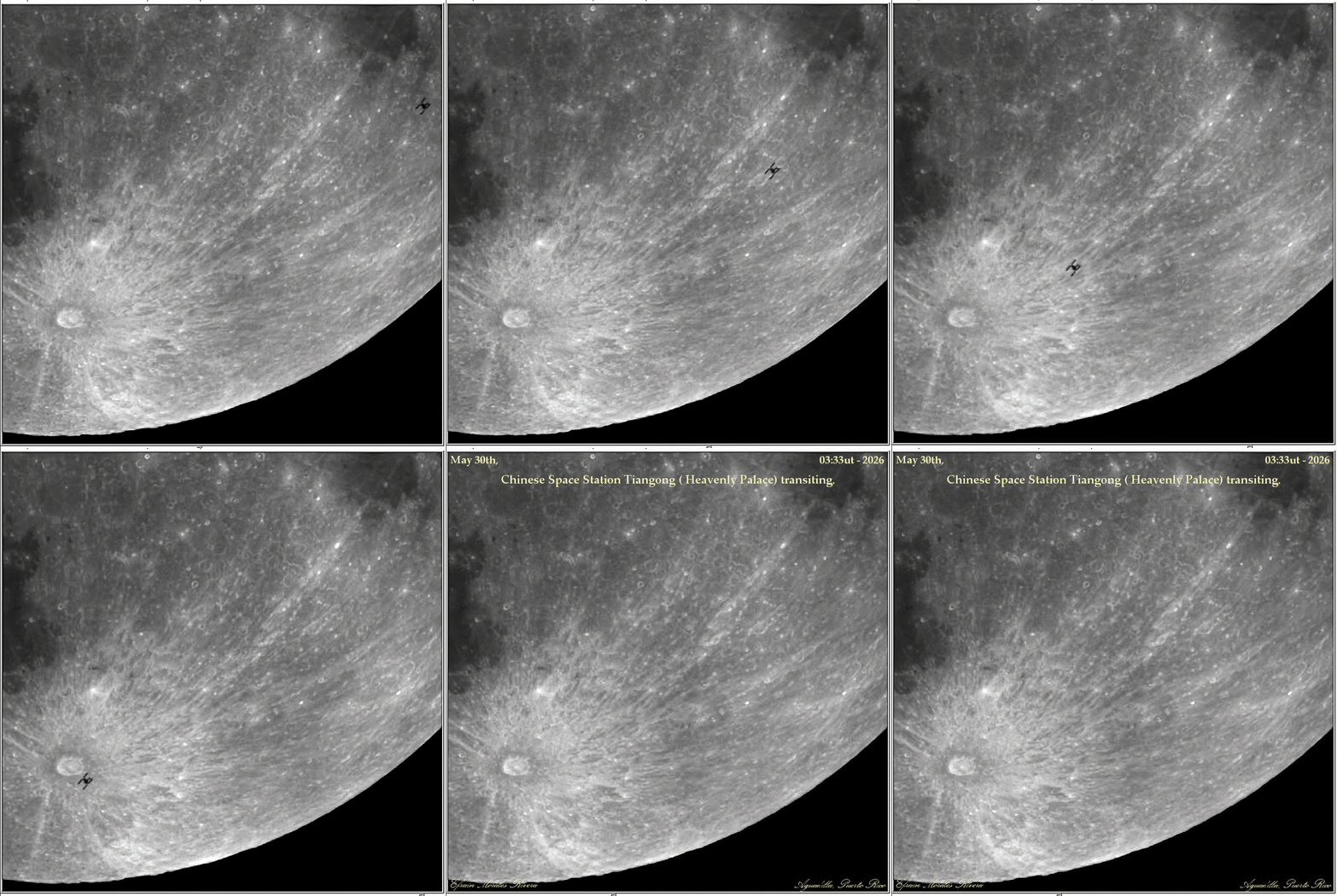
Look for a steady, bright point of light gliding smoothly across the stars. Unlike airplanes, Tiangong won't have flashing navigation lights. The station can sometimes vanish mid-pass when it enters Earth's shadow and stops reflecting sunlight.
Finding exact viewing times for your location is easy through websites like Heavens Above, which provide precise schedules based on your coordinates. The station's orbit tilts at 41.5 degrees, which limits how far north it can be seen but creates dramatic high passes for cities near that boundary.
The Ripple Effect
Tiangong represents more than engineering achievement. It's expanding humanity's presence in space at a time when international cooperation in orbit continues growing. While smaller than the ISS, this station proves that multiple nations can maintain permanent homes beyond Earth, opening new opportunities for research and discovery.
The station's construction finished in October 2022, and it's been continuously inhabited since. Li Jiaying is expected to stay aboard for about a year, double the usual six-month rotation, helping scientists learn more about long-duration spaceflight.
Just days ago, two taikonauts spent 5.5 hours outside Tiangong repairing a solar array, demonstrating the station's active research mission. That same technology you'll see gliding overhead is helping advance our understanding of everything from medicine to materials science.
For a few minutes each evening this week, you can look up and wave at neighbors who happen to live in space.
More Images

Based on reporting by Space.com
This story was written by BrightWire based on verified news reports.
Spread the positivity!
Share this good news with someone who needs it
%2Fhttps%3A%2F%2Ftf-cmsv2-smithsonianmag-media.s3.amazonaws.com%2Ffiler_public%2Ff0%2Ffe%2Ff0fe19e4-e68b-474d-b0a4-19c5beb9d19d%2Fspeedy-star.webp)