China's Women Break Into Football Commentary at World Cup
Female sports commentators in China are shattering stereotypes by calling live World Cup matches, facing criticism head-on while proving their expertise. Liu Chang, 34, shares her journey from passionate fan to professional broadcaster reaching millions.
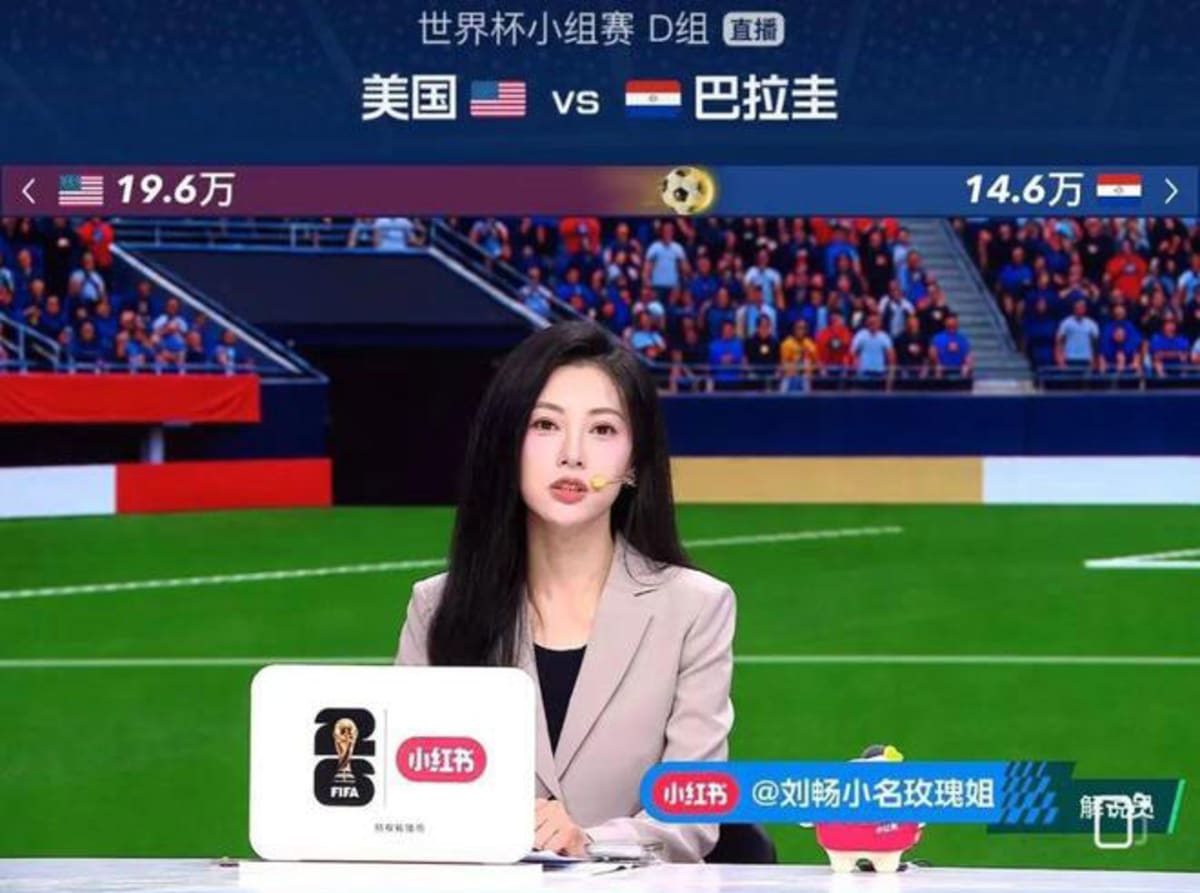
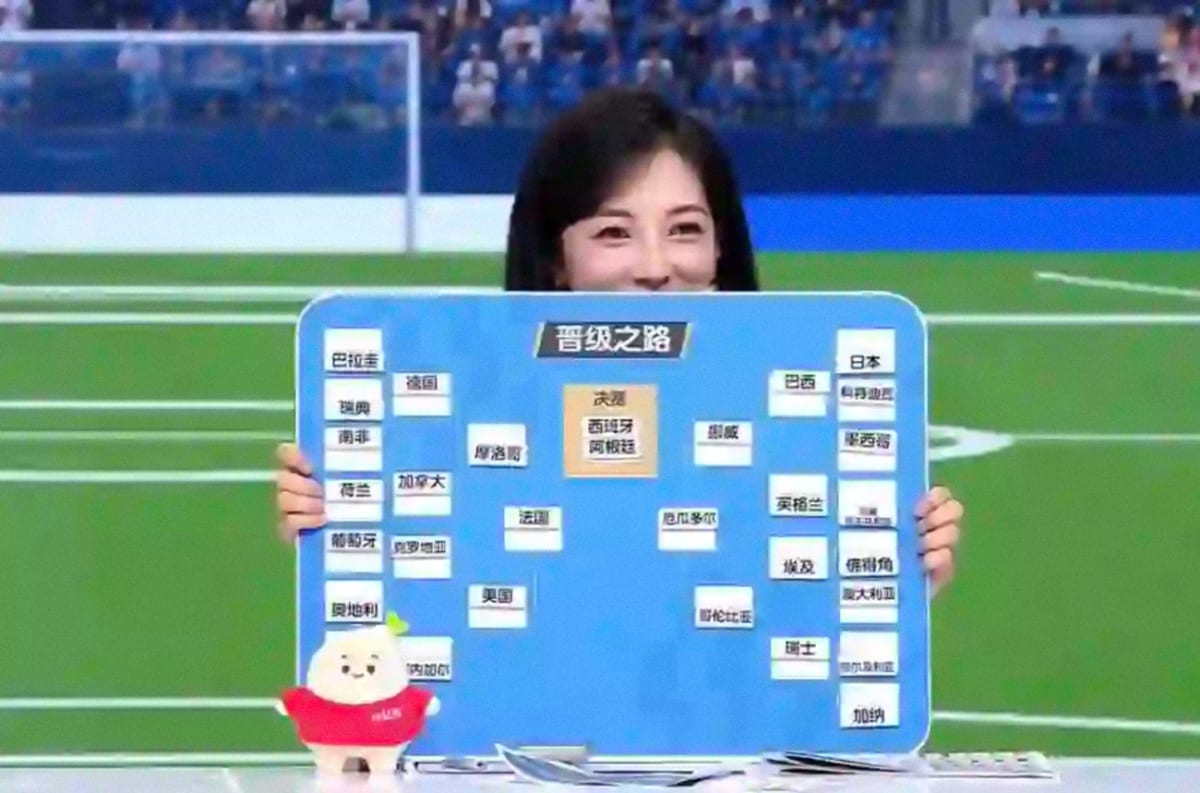
When Liu Chang stepped into the commentary booth for the 2026 FIFA World Cup, she knew her voice would reach millions of Chinese football fans. She also knew many wouldn't be ready to hear a woman calling the game.
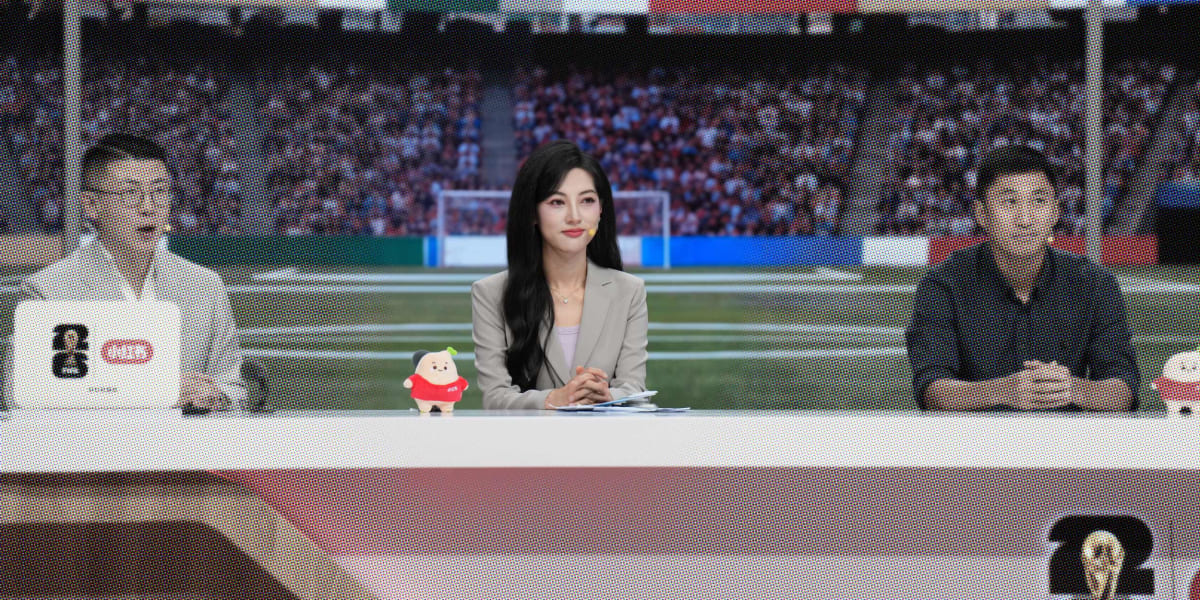
The 34-year-old sports broadcaster was part of lifestyle platform Xiaohongshu's commentary team for the tournament. For nearly a decade, she's been breaking down barriers in China's male-dominated world of live football commentary, where women were traditionally confined to decorative studio roles.
The work demands everything she has. During the World Cup, matches kicked off at 3 a.m. in China, meaning Liu arrived at the studio by midnight and worked past 5 a.m. After each match, she recorded analysis videos, edited and published them, then slept just two or three hours before preparing for the next game.
The criticism came with the territory. Social media lit up with comments about her "shrill" voice and "overly emotional" delivery. But Liu doesn't shy away from the feedback, even when it stings.
She understands where it comes from. Growing up, she rarely heard women commentating football matches. Female voices were reserved for figure skating or diving, sports associated with grace and delicacy, not the intense passion of football.
So Liu adapted. She adjusted her vocal technique, shifting to deeper chest resonance instead of head voice. She learned to control her pitch during emotional moments using professional methods.
Why This Inspires
What Liu cares about most isn't the gender debate. It's accuracy. She and fellow female commentator Wu Tong focus on providing fans with reliable, expert analysis of the game.
The compliments that mean most to her reveal something telling. When viewers praise her "even-keeled and impartial" commentary, she sees a double standard at play. Male commentators can show emotion and bias without facing the same scrutiny.
But things are changing. Chinese fans now engage with matches differently than they did years ago, traveling to games, sharing on social media, and creating highlight videos. They want commentators with personality who understand internet culture and can weave memes into broadcasts.
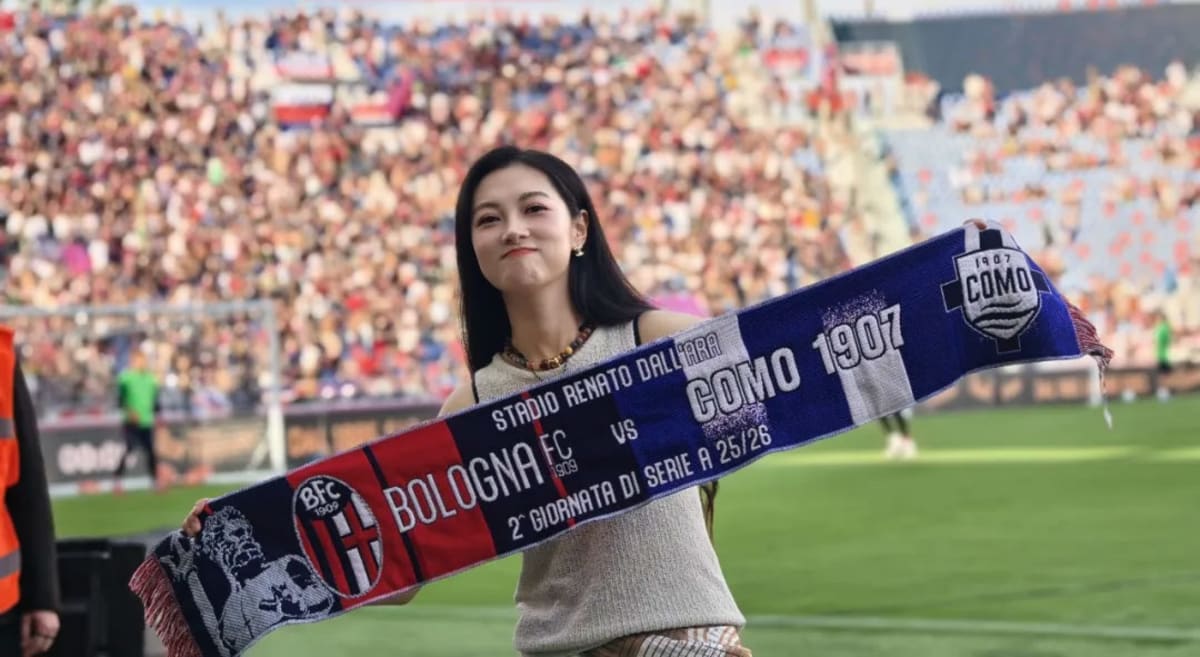
That's where Liu's generation has an advantage. She's a fan first, scrolling through sports forums hunting for hilarious memes and hot takes when she's not commentating. She approaches games from a fan's perspective, not as a distant authority.
Her journey started at the 2010 FIFA World Cup in South Africa, the first tournament she followed completely. Fresh out of school with little money, football became one of her few free sources of joy. The game felt pure, with no script and endless unpredictability.
Now she's living her dream, proving that passion and expertise matter more than gender. Every match she calls opens the door a little wider for the next generation of women who love the beautiful game.
More Images
Based on reporting by Sixth Tone
This story was written by BrightWire based on verified news reports.
Spread the positivity!
Share this good news with someone who needs it