China's Xinjiang Turns Brutal Winds Into 30M Kilowatt Hub
A region once battered by relentless gales has transformed into China's wind power manufacturing powerhouse, turning raw weather into jobs, clean energy, and industrial innovation. Xinjiang now produces 90% of its wind equipment locally and powers millions of homes.
The same fierce winds that once made life harsh in northwest China are now powering a renewable energy revolution.
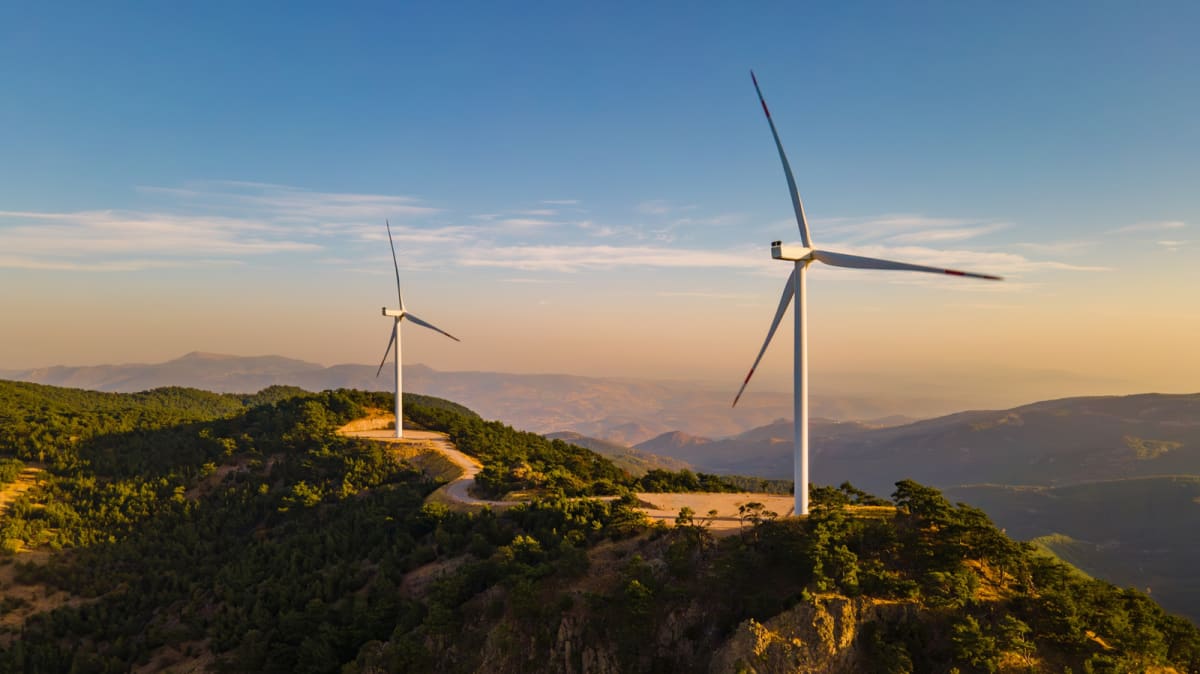
Xinjiang, a vast region in China's far northwest, has transformed from a windswept frontier into a wind power manufacturing giant. By the end of 2025, the region reached 30 million kilowatts of installed wind capacity, enough to power roughly 20 million homes.
The story started in Dabancheng, a natural wind corridor outside the capital Urumqi where fierce winds blow more than 200 days a year. In 1986, Xinjiang imported its first wind turbine from Denmark. Two years later, it completed China's earliest large-scale wind project.
What began as an experiment has grown into 59 wind farms with over 1,000 turbines across the valley. The region now hosts wind installations across 10 major zones, from Hami in the east to Tacheng near the northwestern border.
But Xinjiang didn't stop at just generating power. The region built an entire manufacturing ecosystem around wind energy, with local production now exceeding 90% of all wind equipment needs.
In Mori County, a manufacturing base has created more than 1,000 local jobs since 2022. The facility produces 6 million kilowatts worth of turbine units and 4 million kilowatts of blades annually, turning the region into China's top turbine producer.
Engineers also solved a tricky problem: wind doesn't blow on demand. In Hami's wind zone, developers paired turbines with massive battery systems that store excess power during windy periods and release it when needed.
Project manager Pan Jindong calls the storage system a "giant power bank" with 400 units. A single charge can deliver 1.2 million kilowatt-hours, roughly enough to meet the daily electricity needs of 800,000 households, and costs just 0.01 yuan per kilowatt to operate.
The system runs on smart controls that automatically manage when to store and release power. Only 20 people are needed to operate and maintain the entire facility.
The Ripple Effect
Xinjiang's transformation shows how renewable energy can do more than reduce emissions. It created thousands of manufacturing jobs in a remote region, built technical expertise from scratch, and turned a geographic challenge into an economic advantage.
The region is now deeply embedded in China's energy economy, with long-distance transmission lines carrying clean power eastward to distant cities. What was once considered just a resource hinterland has become an integrated industrial hub spanning research, manufacturing, storage, and transmission.
Local workers who once struggled against the wind now build the turbines that harness it. The same gales that made life difficult have become the foundation of a thriving clean energy industry that's still growing.
From one imported turbine in 1986 to a 30-million-kilowatt manufacturing powerhouse today, Xinjiang proves that harsh conditions can become surprising opportunities.
Based on reporting by Google News - Wind Energy
This story was written by BrightWire based on verified news reports.
Spread the positivity!
Share this good news with someone who needs it