China's XPeng Produces First Mass-Market Robotaxi
A Chinese automaker just rolled out the world's first mass-produced robotaxi built entirely in-house, marking a major milestone in the race toward self-driving transportation. XPeng's new vehicle runs on pure camera vision without expensive sensors, potentially making autonomous rides more affordable for everyone.
📺 Watch the full story above
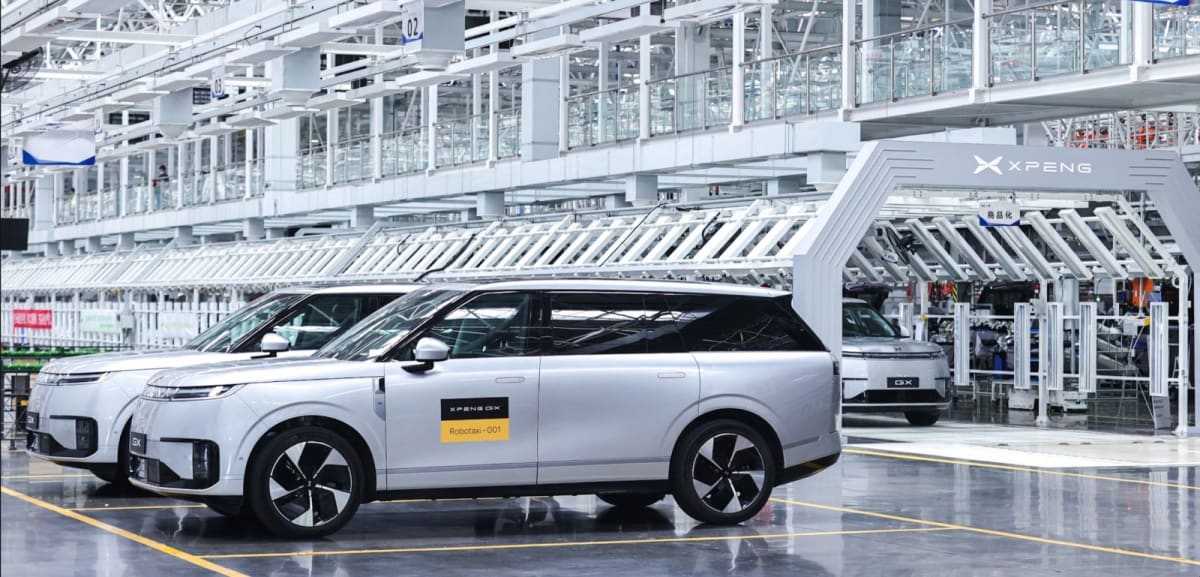
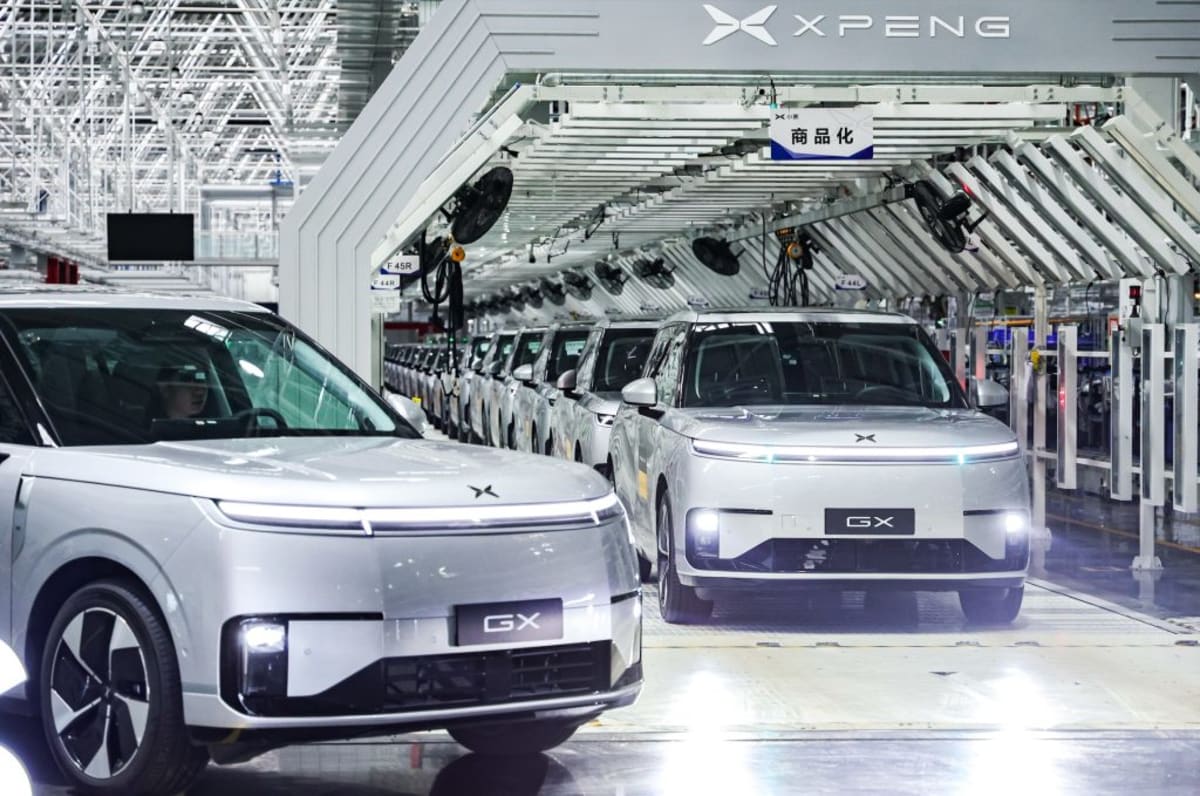
XPeng just became the first automaker in China to mass-produce a fully self-driving robotaxi designed and built completely in-house. The Guangzhou-based company rolled its first unit off the production line this month, equipped with technology that could reshape how millions of people get around cities.
The robotaxi runs on four of XPeng's own AI chips delivering serious computing power, but here's the remarkable part: no expensive laser sensors and no detailed maps. Instead, it relies entirely on cameras and artificial intelligence to navigate streets, similar to how humans drive using only their eyes.
XPeng built the robotaxi on the same platform as its consumer SUV that launched last month, a smart move that could dramatically cut costs. While luxury car buyers get a six-seat vehicle they drive themselves, the robotaxi version features privacy glass, reclining seats, entertainment screens, and voice controls for passengers who just want to relax during their ride.
The company plans to offer three versions seating five, six, or seven passengers. Pilot rides will begin in Guangzhou during the second half of 2026, with fully autonomous operations (no safety driver) targeted for early 2027.
XPeng is entering a competitive field. Tesla already operates robotaxis in Austin, Dallas, and Houston with its Cybercab production ramping up in Texas. Waymo runs hundreds of thousands of weekly rides across multiple US cities, while China's Baidu Apollo serves 250,000 rides weekly across more than 20 Chinese cities.
What sets XPeng apart is making everything themselves: the chips, the AI software, the vehicle platform, and the manufacturing. Competitors like Geely rely on Nvidia chips, while Baidu and others operate software on third-party vehicles.
The Ripple Effect
This vertical integration could make autonomous rides significantly cheaper as the technology scales. XPeng's approach of testing the same hardware in millions of consumer vehicles before deploying it in robotaxis means the technology gets validated by real drivers every day.
The company also opened its robotaxi software to outside developers, with Alibaba's mapping platform already partnering to expand the ecosystem. That openness could spark innovation from unexpected places, accelerating improvements that benefit everyone.
Beyond China, this milestone signals that autonomous transportation is moving from small pilot programs to actual mass production. When multiple companies worldwide are manufacturing self-driving vehicles at scale, the future where anyone can summon an affordable robotaxi gets closer to reality.
XPeng still faces real challenges ahead including proving the technology works safely in daily operations, building rider trust, and demonstrating profitable business models. But producing the first unit is a tangible step forward, transforming autonomous vehicles from futuristic concept to rolling reality.
The race to autonomous transportation just shifted into a higher gear.
More Images


Based on reporting by Electrek
This story was written by BrightWire based on verified news reports.
Spread the positivity!
Share this good news with someone who needs it