Waymo Expands to 1,400 Square Miles Across 11 US Cities
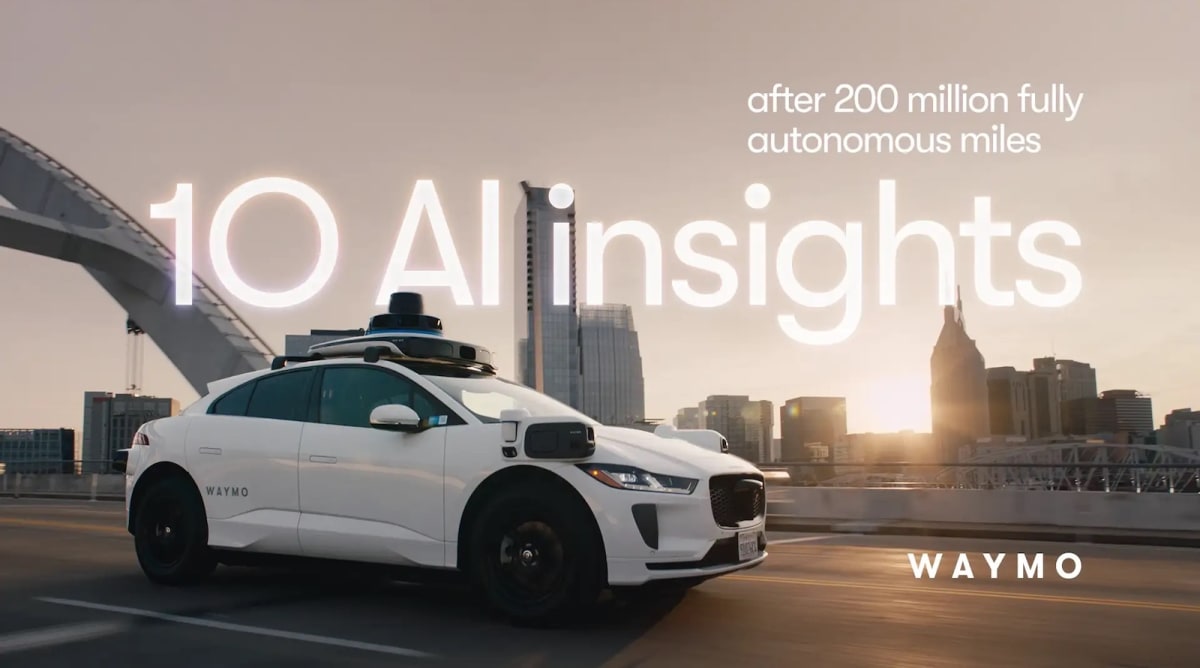
Self-driving car service Waymo is rolling out its autonomous ride-hailing to over 1,400 square miles across 11 American cities, with World Cup soccer fans about to get their first robotaxi experience. The expansion means millions more people can now catch a driverless ride for everything from grocery runs to late-night adventures.
📺 Watch the full story above
Imagine hailing a ride and having no driver behind the wheel—just you, your destination, and a car that knows exactly how to get there safely.
That future just became reality for millions more Americans. Waymo, the world's largest autonomous ride-hailing service, announced it's expanding across Miami, Austin, Atlanta, Houston, and the San Francisco Bay Area. Within weeks, the service will cover over 1,400 square miles in 11 cities.
The timing couldn't be better. With the FIFA World Cup kicking off soon, Waymo will serve six host cities, giving international visitors a chance to experience tomorrow's transportation today. Picture soccer fans from around the globe stepping into their first self-driving car, heading to watch parties or exploring American cities without worrying about parking or navigation.
But Waymo is clear about one thing: this isn't just a flashy World Cup stunt. The real story is how these robotaxis will serve everyday people long after the final whistle blows. Parents running errands, friends catching late-night concerts, workers commuting home—all without the stress of driving.
The expansion represents a massive leap for autonomous technology. Just a few years ago, self-driving cars seemed like science fiction. Now they're becoming as normal as calling an Uber, helping people get where they need to go while potentially reducing traffic accidents caused by human error.
The Ripple Effect
When self-driving cars become commonplace, entire communities benefit. Local businesses gain customers who can visit without worrying about parking. People who can't drive—whether due to age, disability, or financial barriers—suddenly gain independence and mobility.
The environmental benefits matter too. Optimized routes and smoother driving patterns mean less fuel waste and lower emissions. As these services grow, they could reduce the number of personal cars clogging city streets, freeing up space for parks, bike lanes, and community gathering spots.
World Cup visitors will return home with stories about the cities they explored and the future they glimpsed. That global word-of-mouth could accelerate autonomous vehicle adoption worldwide, making safer, more accessible transportation available to everyone.
The robotaxi revolution is here, and it's expanding fast enough that your next ride might not need a driver at all.
More Images


Based on reporting by CleanTechnica
This story was written by BrightWire based on verified news reports.
Spread the positivity!
Share this good news with someone who needs it