Chinese Battery Breakthrough Could Double EV Range
Scientists in China have cracked a major battery puzzle that could let electric vehicles drive twice as far on a single charge. The innovation works even in extreme cold where today's batteries fail.
Electric vehicles just took a giant leap toward replacing gas cars for good.
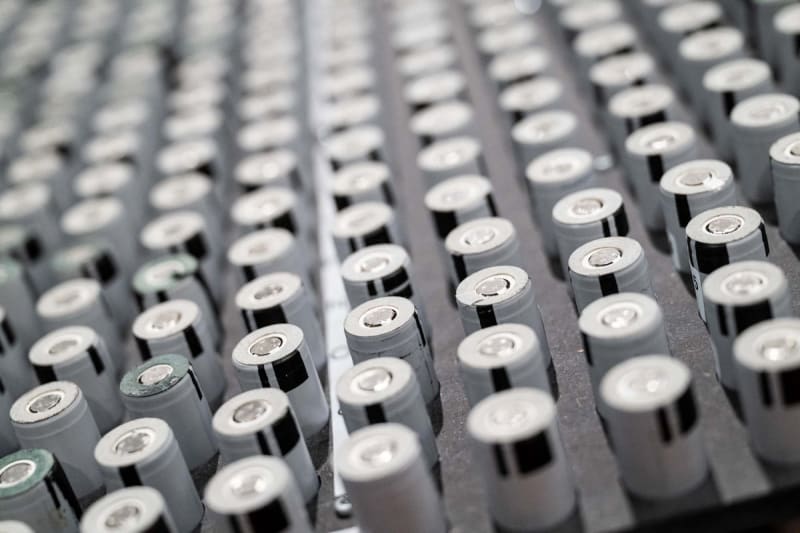
Researchers at Nankai University in China have developed a new type of lithium battery that can store more than double the energy of current EV batteries. Instead of the typical 500 kilometers many electric cars manage today, vehicles using this technology could travel over 1,000 kilometers on one charge.
The secret lies in swapping out a key ingredient. Traditional lithium batteries rely on oxygen-based solvents to move energy around, but these solvents take up lots of space and stop working well in cold weather. The Chinese team replaced them with a fluorinated hydrocarbon solvent that does the same job much more efficiently.
"Fluorine's weaker pull on lithium helps resolve that," explained Professor Zhao Qing, describing how the new design solves a problem that has stumped battery makers for years. An electrolyte needs to release ions quickly while also enabling fast charge transfer, two goals that usually work against each other.
The numbers tell an impressive story. The new battery achieves energy densities greater than 700 watt-hours per kilogram at room temperature. Even at minus 50 degrees Celsius, it maintains nearly 400 watt-hours per kilogram, far surpassing the 350 watt-hour limit of conventional batteries.
This cold weather performance opens new possibilities beyond passenger cars. The researchers believe their batteries could power vehicles and drones operating at high altitudes where temperatures plummet and current batteries struggle or fail completely.
Lead researcher Chen Jun emphasized that the breakthrough delivers this extra capacity without making batteries bigger or heavier. That means car designers won't need to sacrifice trunk space or add weight to achieve longer range.
The Ripple Effect
This advancement arrives at a crucial moment for the electric vehicle industry. Many manufacturers have been investing billions in solid-state battery technology to overcome the limitations of traditional lithium batteries. Now this fluorinated design brings conventional lithium batteries up to the performance level of those expensive solid-state alternatives.
The breakthrough could accelerate EV adoption in colder regions where range anxiety and battery performance have been major concerns. Drivers in northern climates often see their vehicle range drop dramatically in winter, making electric cars less practical for their needs.
By solving both the energy density puzzle and the cold weather challenge in one innovation, these batteries address two of the biggest obstacles holding back widespread EV acceptance.
The future of long-distance electric driving just got a lot brighter.
More Images
Based on reporting by Google News - Electric Vehicle
This story was written by BrightWire based on verified news reports.
Spread the positivity!
Share this good news with someone who needs it