NASA Study Makes Future Air Taxis More Comfortable
NASA strapped employees into a virtual reality simulator to study how bumpy air taxi rides affect passenger comfort. The research will help design smoother flights for tomorrow's urban air travel.
Imagine getting stuck in traffic while flying through the air. NASA just made sure that future won't be as bumpy as you'd think.
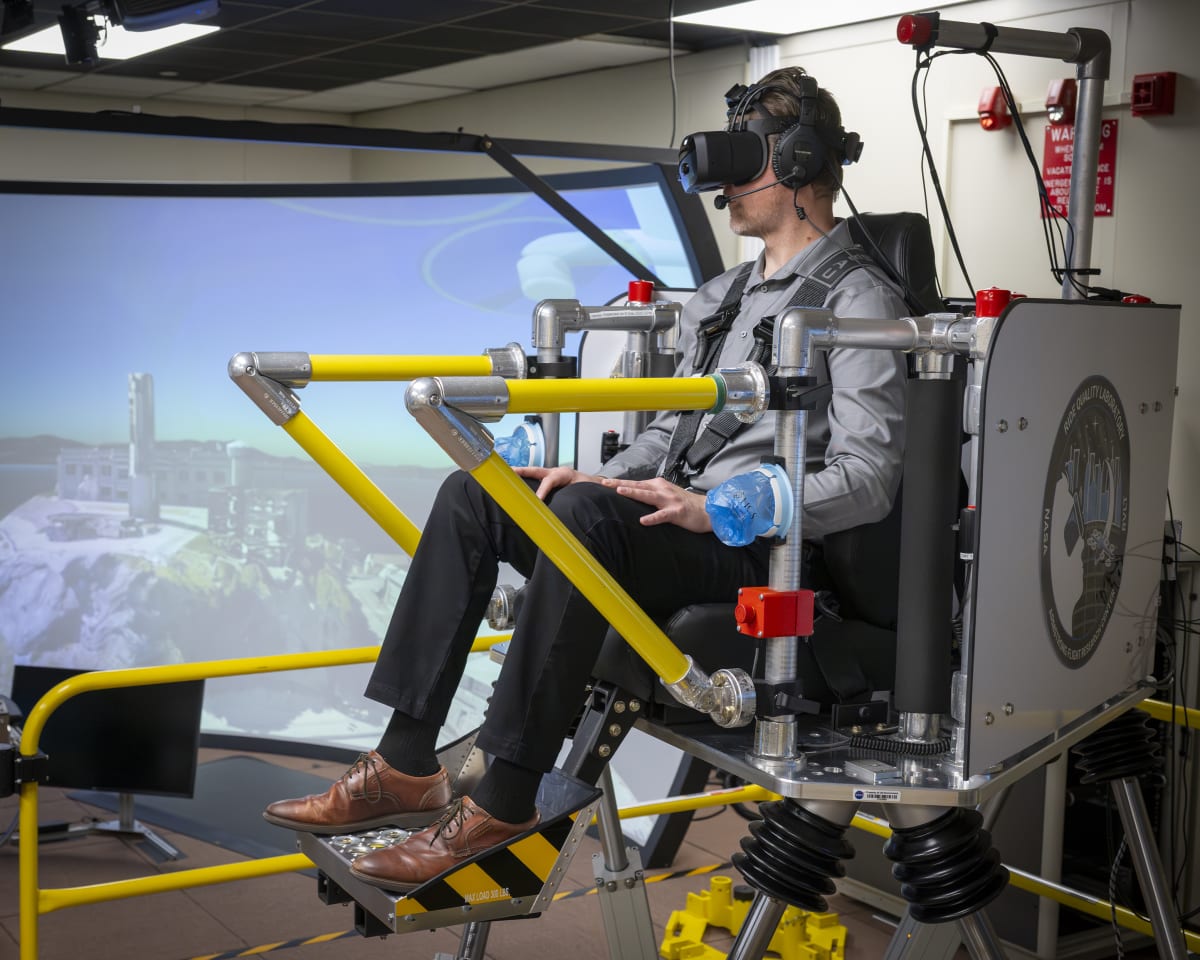
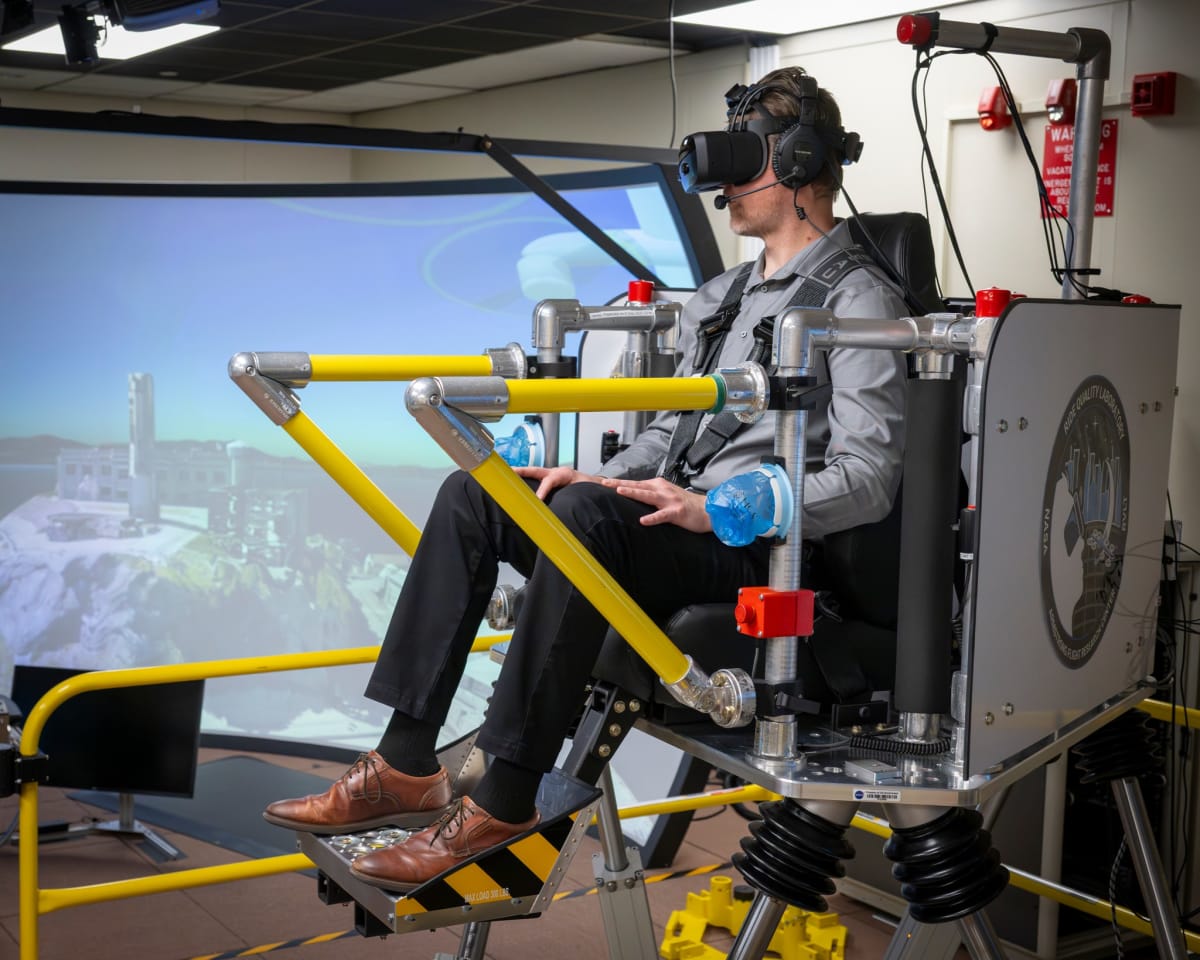
The space agency recently completed a groundbreaking study to help the emerging air taxi industry understand what makes passengers comfortable during flight. At NASA's Armstrong Flight Research Center in California, volunteers experienced virtual reality flights that mimicked the sudden tilts, shifts, and movements tomorrow's air taxis might encounter.
These aren't your typical commercial airliners. Air taxis are small, vertical-takeoff-and-landing aircraft designed for short urban trips, like hopping from downtown to an airport or across a busy city. Think of them as flying Ubers that could transform how we move through crowded cities.
NASA employees volunteered to take simulated rides from downtown San Francisco to Alcatraz Island, experiencing four different levels of pitching, tilting, rotating, and quick acceleration. Some flights were smooth. Others were deliberately rough to test passenger tolerance.
The results revealed important insights. Even moderate changes in motion reduced comfort for some participants, while others handled more aggressive movements just fine. Interestingly, today's travelers appear less tolerant of rough motion than airline passengers from 50 years ago, based on comparisons with earlier NASA research.
Each volunteer rated their flights on a five-point scale and identified which specific movements felt uncomfortable. They also answered a crucial question: would they take a real air taxi flight with similar motion?
Why This Inspires
This research isn't just about comfort. It's about making an entirely new form of transportation accessible and enjoyable for everyone.
The NASA team developed new models that link specific sudden motions to passengers' willingness to fly again. These models can guide aircraft designers and operators, helping them understand which maneuvers will feel too jarring and which will keep passengers coming back.
"We can begin to make predictions about how air taxis should fly so that most passengers will find the experience enjoyable and want to ride again," said Curtis Hanson, NASA Armstrong's lead researcher for this effort. The data helps identify comfort thresholds for aggressive flight motion, whether from pilot maneuvers, gusting winds, or landings.
The research allows designers to estimate when passengers might start feeling uncomfortable as motion increases. Armed with this knowledge, they can shape aircraft designs and flight operations to minimize those uncomfortable moments before the first real air taxi even takes off.
This work continues under NASA's Subsonic Vehicle Technologies and Tools project and contributes to the agency's advanced air mobility research. The sky isn't just the limit anymore—it's becoming the next frontier for daily transportation, and NASA is making sure it's a smooth ride.
More Images
Based on reporting by NASA
This story was written by BrightWire based on verified news reports.
Spread the positivity!
Share this good news with someone who needs it