Chinese Battery Breakthrough Could Triple EV Range
Scientists in China just solved a 40-year puzzle in battery technology, creating lithium-metal batteries that could triple electric vehicle range and keep drones flying three times longer. The breakthrough could transform everything from Antarctic research stations to space missions.
Imagine driving your electric car from New York to Miami on a single charge, or watching drones deliver packages across entire states without stopping to recharge.
Scientists at Nankai University in China just made that future possible. After more than 40 years of failed attempts worldwide, they've cracked the code on lithium-metal batteries that pack dramatically more energy into the same space.
The secret lies in a complete redesign of how batteries move energy around. Traditional batteries use graphite to hold lithium, but these researchers swapped it for pure lithium metal. That simple change cuts battery thickness while boosting how much energy each pound can store.
The real game changer is how they solved the dendrite problem. These needle-like growths have plagued lithium-metal batteries for decades, piercing internal barriers and causing dangerous short circuits. The new electrolyte system keeps lithium plating smooth during charging, stopping dendrites before they form.
The numbers tell an exciting story. Lab tests show these batteries reach 700 watt hours per kilogram at room temperature. Today's EV batteries max out around 140 to 200 watt hours per kilogram. That means two to three times the driving range on the same charge.
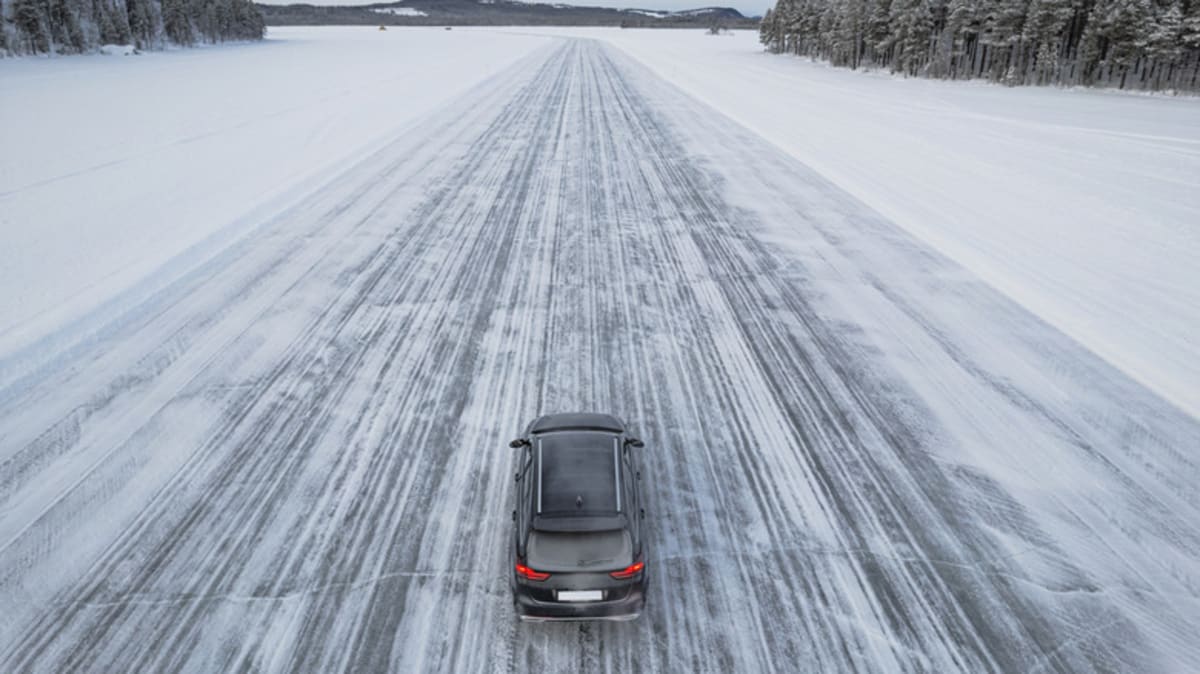
Cold weather performance is equally impressive. At negative 50 degrees, the batteries still deliver 400 watt hours per kilogram. Alaska commuters and Canadian road trippers could finally say goodbye to range anxiety in winter.
The Ripple Effect
The breakthrough extends far beyond personal vehicles. The three million drones registered in the U.S. could fly farther while carrying heavier loads, making delivery services more practical and affordable.
Search and rescue teams could cover more ground. Infrastructure inspectors could monitor longer stretches of power lines. Remote communities could receive medical supplies faster and more reliably.
Scientists working in extreme environments stand to gain the most. Antarctic research stations could store much more solar energy during brief summer months. Space missions could maintain power in the freezing shadows of distant planets where sunlight barely reaches.
The batteries still need work before they're ready for your car or phone. Scientists must improve the charging cycle lifespan and test long-term durability. The electrolyte contains fluorinated compounds that will face safety and environmental review, though they're different from the harmful forever chemicals in headlines.
Manufacturing partners will need to prove the batteries work reliably with real-world components like battery housings and current collectors. Any unexpected reactions could slow commercial release.
Despite these remaining hurdles, battery experts worldwide are celebrating. Four decades of research is finally paying off, and the technology could reach consumers within ten years.
More Images

Based on reporting by Google News - Renewable Energy Breakthrough
This story was written by BrightWire based on verified news reports.
Spread the positivity!
Share this good news with someone who needs it