Chinese Cowboys Found at Oregon Ranch Dig
Archaeologists uncovered evidence that Chinese immigrants worked as cowboys and ranch hands across 30+ Oregon ranches, revealing an overlooked chapter of the American West. The discovery challenges the traditional narrative of frontier life and honors families whose legacies were never passed down.
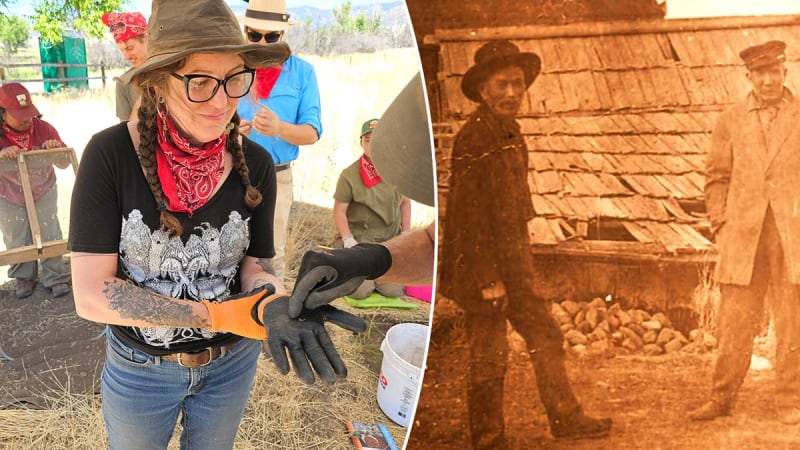
Imagine standing on a remote Oregon ranch that looks exactly as it did a century ago, when Chinese immigrants worked the land as cowboys alongside their peers.
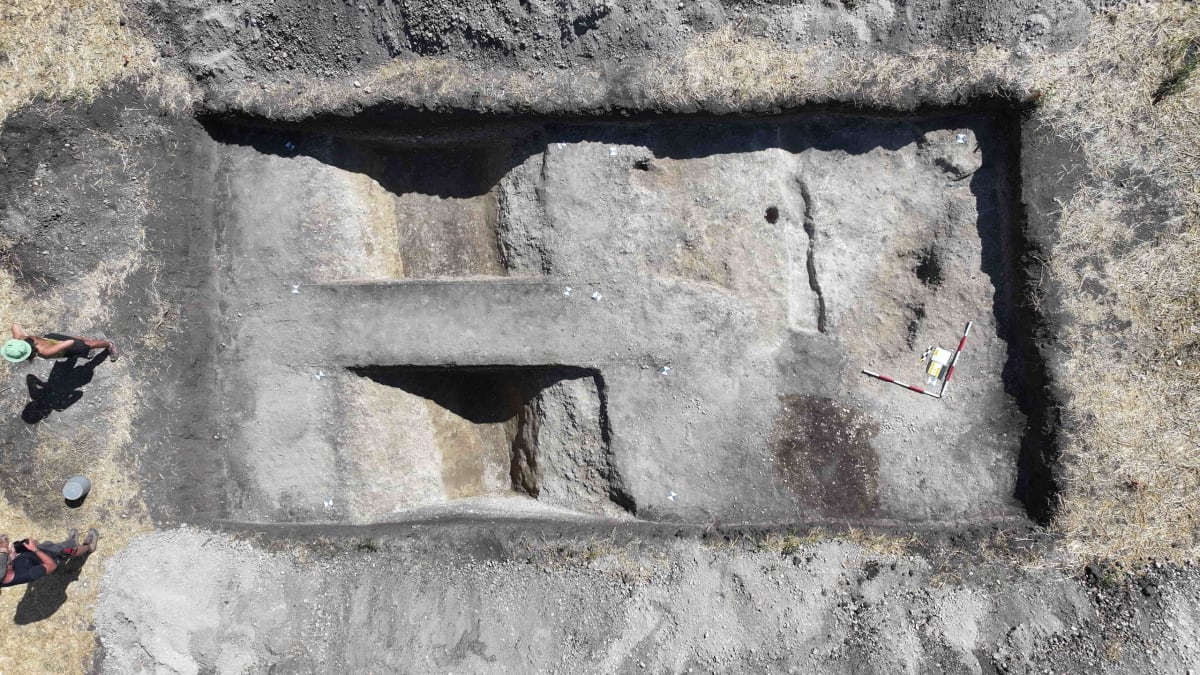
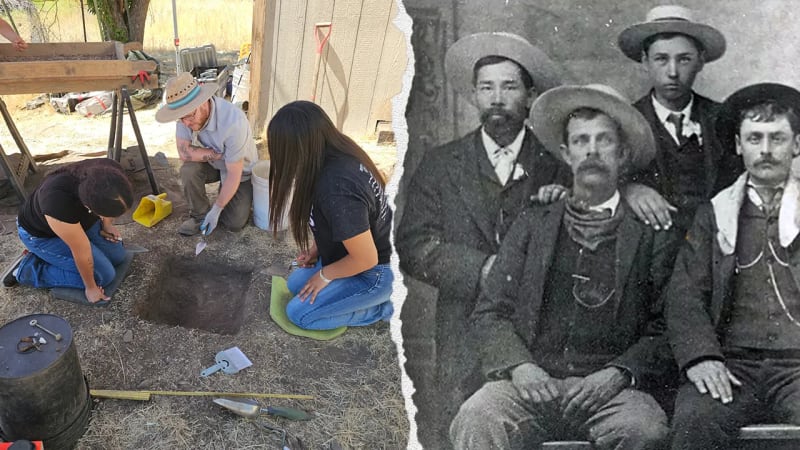
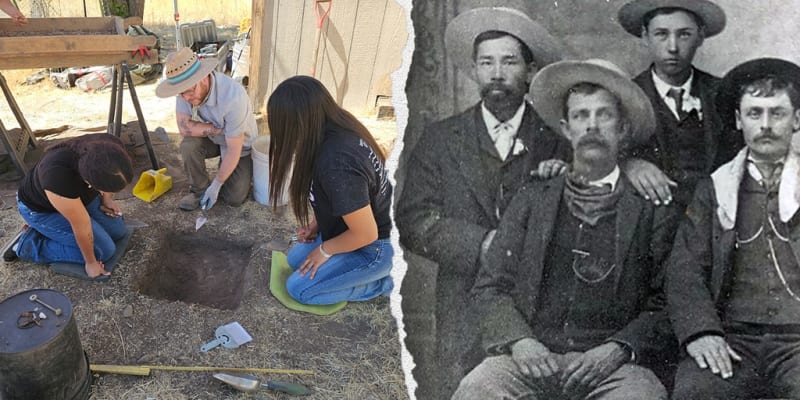
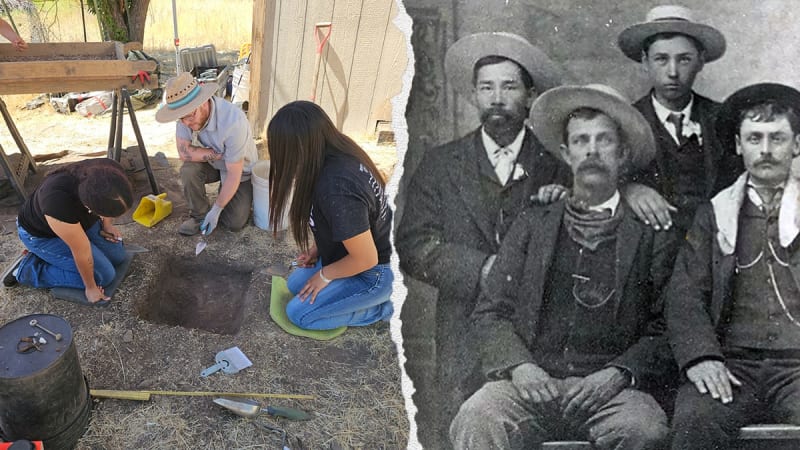
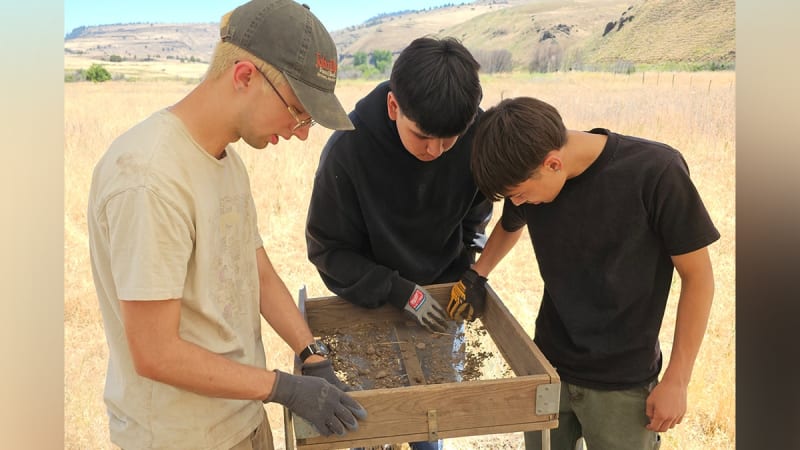
That's exactly what archaeologists experienced this summer at Stewart Ranch in eastern Oregon's Grant County. Researchers from Southern Oregon University and the Oregon Historical Society discovered buttons, jean rivets, broken dishes, and animal bones that tell the story of Chinese American ranch hands who shaped the West.
Chelsea Rose, director of the Southern Oregon University Laboratory of Anthropology, called it "a happy accident" due to the site's remarkable preservation. The artifacts likely date from the early 1900s to the 1930s, capturing a slice of frontier life rarely seen in history books.
The team found animal bones consistent with sheep, which may connect to Jim Lee, one of the Chinese cowboys who worked the ranch. Historical records describe how he cooked mutton for hungry ranch hands after long workdays. The meal scraps scattered across the site paint a picture of shared suppers and camaraderie among the crew.
Chinese immigrants first arrived in southern Oregon during the 1850 Gold Rush, eventually making up nearly 80% of miners in the area. When gold prospects dried up, many pivoted to ranching work as buckaroos, sheepherders, cooks, and even ranch foremen. At least two Chinese American men owned and operated their own ranches.
Rose's team has now connected Chinese immigrants to more than 30 ranches across eastern Oregon. Some operations vanished long ago, while others remain in the same families for generations. Stewart Ranch stands preserved on public lands, offering a rare window into the past.
The Ripple Effect
The dig matters because restrictive immigration laws prevented many Chinese cowboys from bringing families to America. Without descendants to pass down their stories, their contributions faded from collective memory despite their massive economic impact on Oregon's cattle and sheep industry.
"Adding Chinese Americans to Oregon's early ranching industry doesn't take away from the many white families who worked hard," Rose explained. "It adds richness and depth to the story."
The research continues, with multiple ranch sites lined up for excavation next summer. Each dig promises more evidence of the diverse hands that built the American West.
Standing at Stewart Ranch, with its original bunkhouse still intact and the same sweeping views cowboys saw 100 years ago, researchers experienced something rare: they didn't have to imagine the past or ignore modern intrusions. The ranch preserved not just artifacts, but the authentic feel of a bygone era where people from different backgrounds worked side by side under big Western skies.
More Images
Based on reporting by Fox News Latest Headlines (all sections)
This story was written by BrightWire based on verified news reports.
Spread the positivity!
Share this good news with someone who needs it