Chinese E-Bike Giant Yadea Enters Kenya's Growing Market
Yadea, which sold 4.82 million electric bikes globally in 2025, just launched in Kenya with motorcycles designed specifically for boda boda riders. The move signals Africa could become the company's next major growth story after generating $5.4 billion in revenue last year, with over 90% coming from China.
Kenya's electric motorcycle revolution just got more crowded, and that's great news for riders trying to save money on fuel.
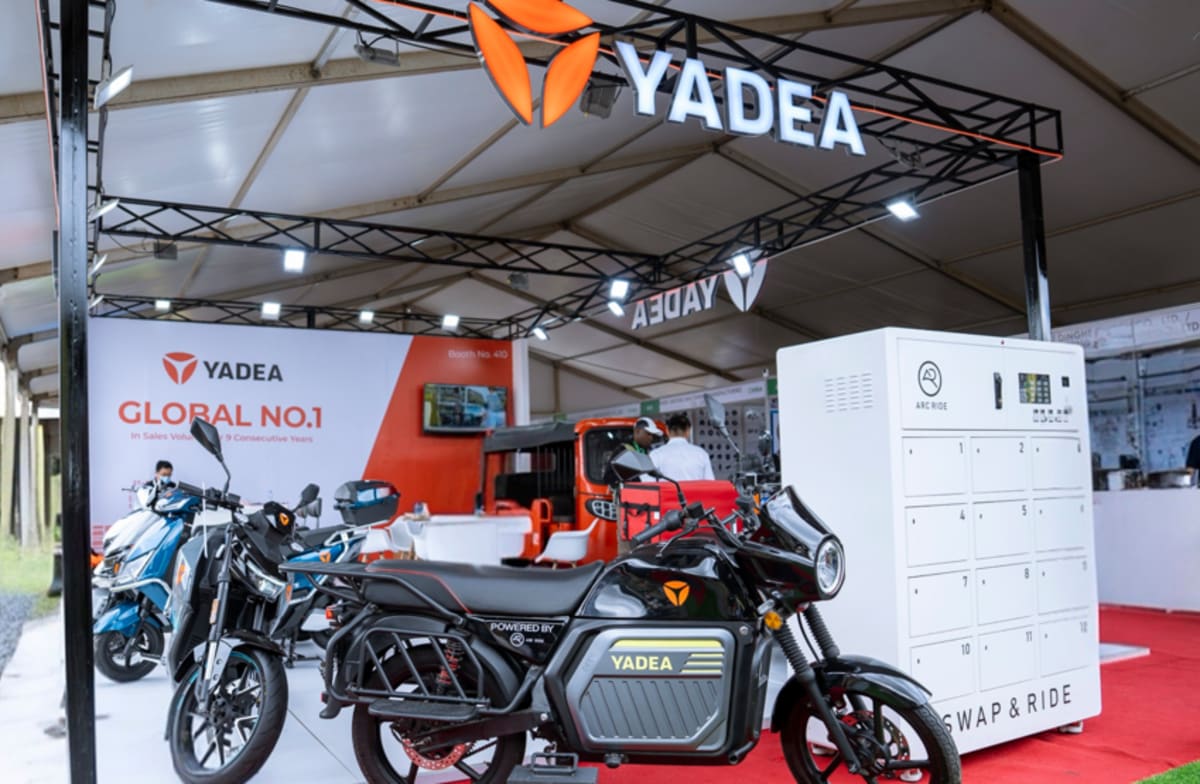
Yadea, a Chinese manufacturer that has become one of the world's largest electric bike makers, officially entered the Kenyan market this week through a partnership with local distributor KIFA. The company's first model is built specifically for the daily grind of boda boda work: carrying passengers and cargo through Nairobi traffic on a single charge that lasts all day.
The timing couldn't be more interesting. Just one day before Yadea's announcement, Uber said it plans to double its electric motorcycle fleet in Kenya. Companies like Spiro, Ampersand, Roam, and Arc Ride are already competing for the same riders, all betting that Kenya's next generation of motorcycle transport will run on batteries instead of gasoline.
Kenya now has 35,000 registered electric vehicles, and almost all of them are motorcycles. For boda boda riders who spend hours each day on the road, the math is compelling: electric bikes cost less to run, require less maintenance, and don't leave riders vulnerable to fluctuating fuel prices.
Yadea isn't trying to sell luxury vehicles. Its KIFA model targets working riders who need reliable, affordable transportation that pays for itself over time. Sales began immediately after the Thursday announcement.
The Ripple Effect
What makes this moment significant isn't just one more company entering the market. It's that global manufacturers are now confident enough in Africa's electric vehicle future to compete seriously for it.
Yadea generated $5.4 billion in revenue last year, up 31% from the year before. But more than 90% of those sales happened in China. The company needs new markets, and it's choosing Africa as the place to find them.
That vote of confidence matters. When major manufacturers commit resources to a market, they bring supply chains, service networks, and pricing competition that make the technology more accessible to everyone. More companies competing for Kenya's riders means better bikes, lower prices, and more charging infrastructure across the country.
The competition also creates interesting possibilities. Uber doesn't manufacture motorcycles; it works with partners to put electric bikes on its platform. If Yadea gains traction, the Chinese giant could shift from competitor to supplier, working alongside ride-hailing platforms instead of against them.
For Kenya's boda boda riders, this influx of investment translates into real choices: different models, financing options, and the infrastructure to support a fully electric fleet. The riders who power Kenya's informal transportation network are watching major companies fight for their business, and that's a position of strength they haven't always enjoyed.
The electric motorcycle market in Kenya is no longer an experiment; it's becoming a battleground where the winners will help shape how millions of Africans get around.
More Images




Based on reporting by TechCabal
This story was written by BrightWire based on verified news reports.
Spread the positivity!
Share this good news with someone who needs it