Chinese Robot Smashes Half-Marathon Record in 50 Minutes
A humanoid robot just ran a half-marathon faster than any human in history, completing the 13-mile course in under 51 minutes. The breakthrough suggests robots may soon handle dangerous jobs and complex real-world tasks.
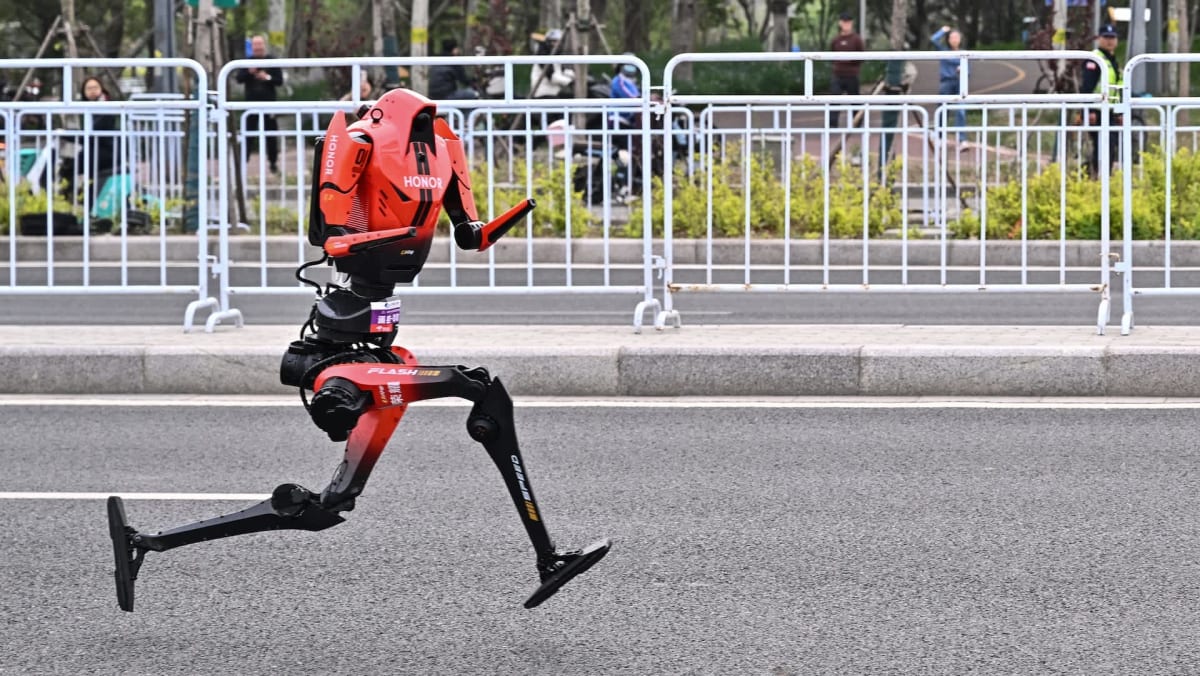
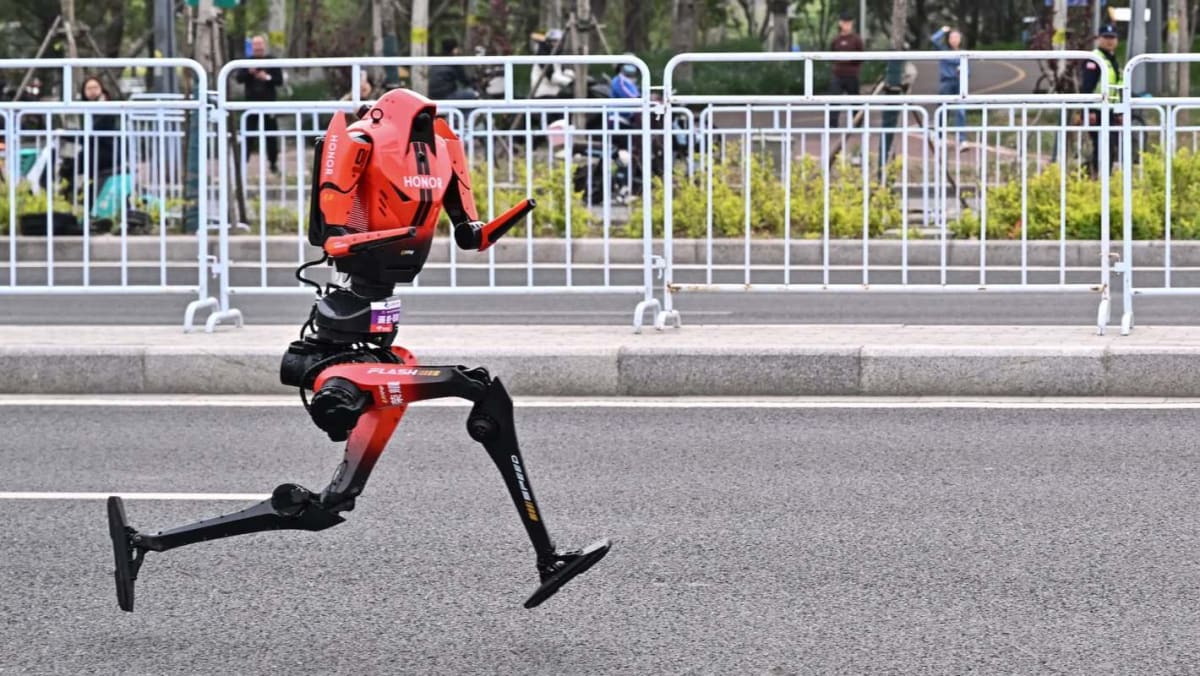
A humanoid robot from Chinese smartphone maker Honor has shattered expectations by running a half-marathon in 50 minutes and 26 seconds, beating the human world record by nearly seven minutes.
The achievement marks a massive leap forward from just last year. In 2025, the robotic record for the same Beijing half-marathon stood at 2 hours and 40 minutes, meaning this year's winner was more than three times faster.
The winning robot competed alongside 299 other robotic contestants at the 2026 Beijing half-marathon, running on a parallel track next to human athletes. Beyond speed, the robots demonstrated better balance and overall performance than previous attempts.
The secret to success? Long legs measuring about 37 inches, inspired by top human runners. But the real innovation happens under the surface, where engineers are perfecting joint motors, gait algorithms, and battery management systems that can handle real-world conditions.
"We're not here for rankings, but to verify that our robots can operate reliably in any environment," an engineer from one competing team told the Global Times. The race serves as a proving ground for technology that needs to work outside controlled lab settings.
Companies worldwide are racing to develop humanoid robots that can navigate the messy, unpredictable real world. Boston Dynamics, Figure AI, and Agility Robotics are pushing boundaries in the United States, while Tesla's Elon Musk has shifted focus toward creating the Optimus humanoid robot.
Chinese firms Unitree Robotics and MirrorMe Technology have announced their robots can reach speeds of 10 meters per second. One robot was even recorded chasing wild boars from an urban neighborhood, showing these machines can already tackle unexpected challenges.
The Ripple Effect
The implications stretch far beyond athletic achievement. If robots can handle crowds, uneven terrain, and unpredictable scenarios during a race, they can eventually take on dangerous industrial tasks, assist in disaster zones, and help with household activities.
Du Xiaodi, an engineer from the winning Honor team, explained that running faster drives innovation in structural reliability and cooling systems that transfer directly to manufacturing and other industries. The sector remains in its early phase, but confidence is growing that humanoid robots will reshape multiple industries.
The technology tested on racetracks today could be saving lives and improving efficiency across countless fields tomorrow.
More Images



Based on reporting by Google: marathon world record
This story was written by BrightWire based on verified news reports.
Spread the positivity!
Share this good news with someone who needs it