Chinese Solar Cell Hits 30% Efficiency, Stays Strong
Scientists in China just created a solar panel that converts nearly 30% of sunlight into electricity and keeps working at full strength for months. The breakthrough could make solar energy cheaper and more reliable for millions of homes.
Solar panels just got a major upgrade that brings clean energy closer to powering the world.
Researchers at the Chinese Academy of Sciences built a new type of solar cell that achieves 29.71% efficiency, meaning it converts almost a third of sunlight into usable electricity. Even better, the panel kept more than 91% of its power after running continuously for 2,000 hours.
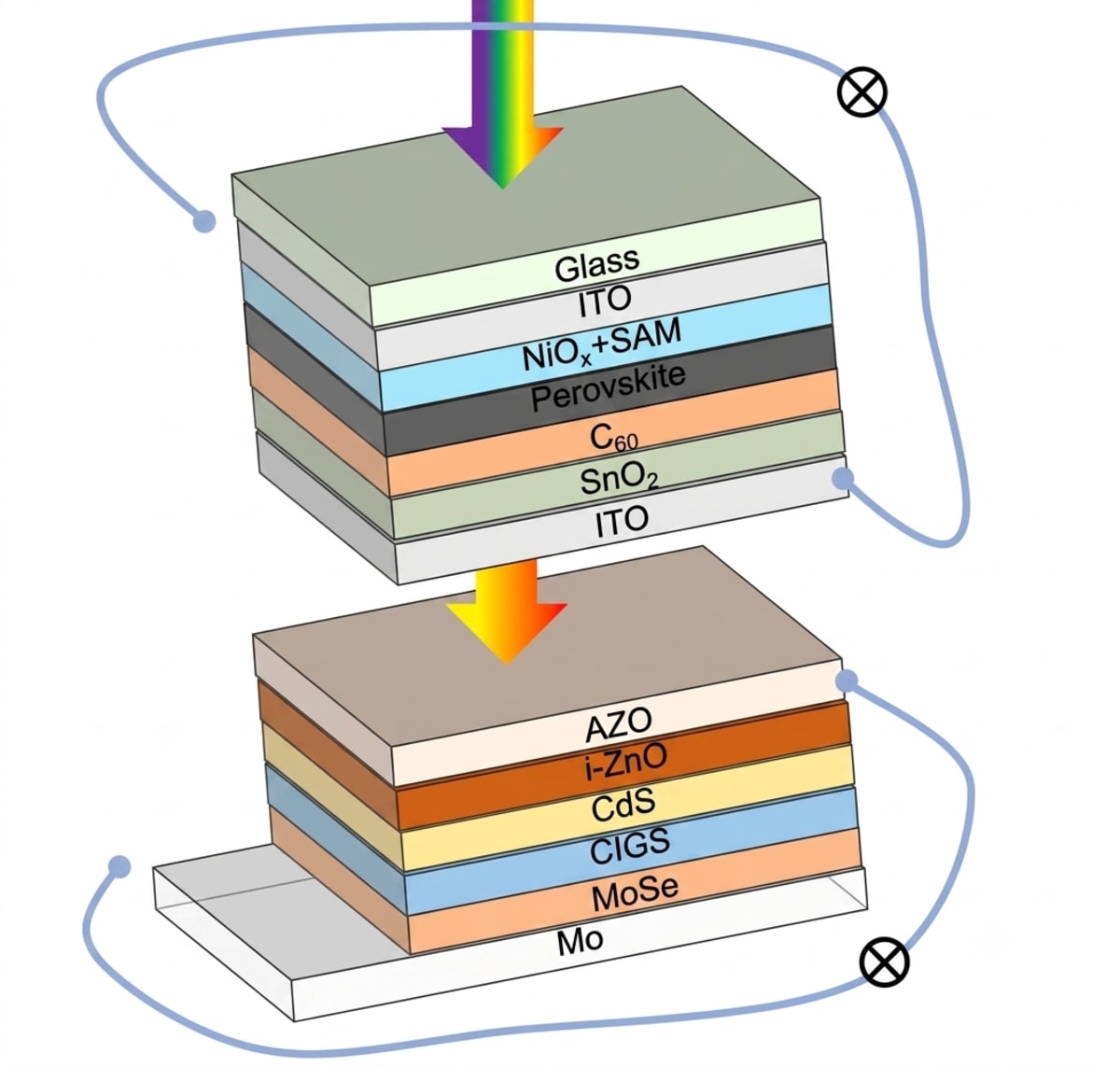
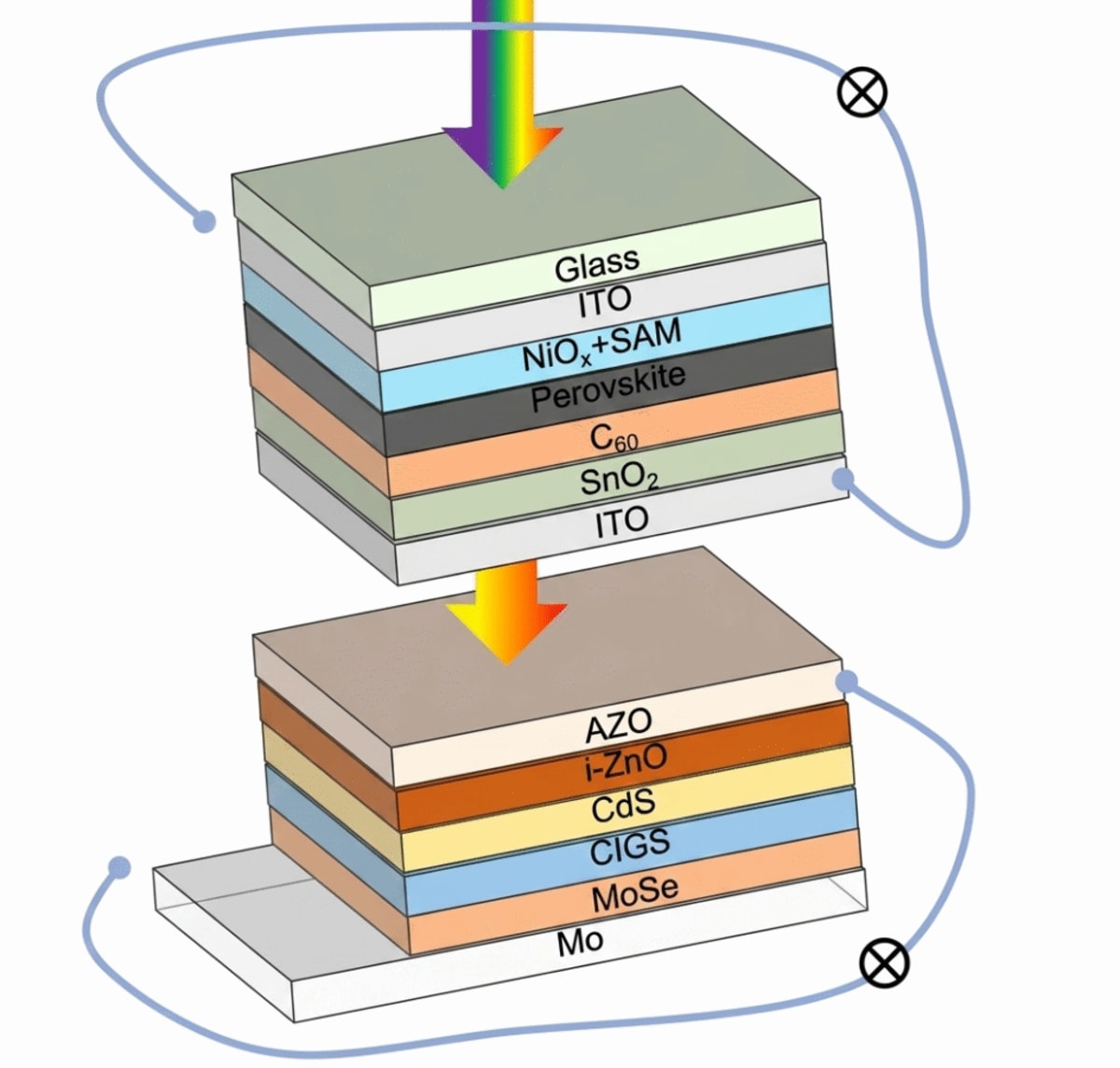
The team combined two different solar technologies into one device. The top layer uses a material called perovskite, while the bottom relies on a mix of copper, indium, gallium, and selenium. Together, they capture more of the sun's energy than either could alone.
Traditional solar panels face a frustrating problem. The materials that work best often break down quickly when exposed to sunlight and heat. It's like having a sports car that falls apart after a few months of driving.
The Chinese scientists solved this by adding a sulfur-based compound that acts like a protective shield. This compound, called 2PyS, prevents defects from forming as the solar cell grows. Think of it as quality control built into the manufacturing process rather than a patch applied afterward.
The protective treatment does three important things. It stops atoms from moving around inside the material, reduces energy loss, and keeps the cell stable even under harsh conditions. The result is a solar panel that works better and lasts longer.
The Ripple Effect
This breakthrough arrives at a perfect time. Countries worldwide are racing to replace fossil fuels with renewable energy, and solar power leads that charge. Every percentage point of efficiency gained means fewer panels needed to power a home, factory, or electric grid.
More efficient solar cells also mean lower costs. Homeowners could cover their roofs with fewer panels and still meet their energy needs. Cities could build smaller solar farms that produce the same amount of clean electricity. Developing nations could bring power to remote villages more affordably.
The 30% efficiency milestone matters because it edges closer to the theoretical maximum for solar cells. Scientists believe the absolute limit sits around 33% for this type of technology. Getting within three percentage points of perfection represents years of careful research paying off.
The durability proves equally important. Solar panels represent a major investment, so they need to work reliably for decades. A panel that degrades quickly wastes money and materials, no matter how efficient it starts out. These new cells demonstrate that high performance and long life can coexist.
The research team published their findings in IPOScience, making the technical details available to scientists worldwide. This openness helps other researchers build on the work and potentially improve it further.
Clean energy keeps getting better, one solar cell at a time.
More Images


Based on reporting by PV Magazine
This story was written by BrightWire based on verified news reports.
Spread the positivity!
Share this good news with someone who needs it