Chinese Solar Cell Hits Record 27.3% Efficiency
Scientists in China just achieved a breakthrough in solar technology that could make clean energy cheaper and more reliable. Their new design uses two molecules working together to capture more sunlight than ever before.
Researchers at Soochow University in China have cracked a major puzzle in solar energy, creating a solar cell that converts 27.3% of sunlight into electricity. That's one of the highest efficiency rates ever recorded for this promising technology.
The team's secret? A duo of molecules working in perfect harmony at the most critical part of the solar cell. Think of it like adding a skilled assistant to help the main worker do their job better and faster.
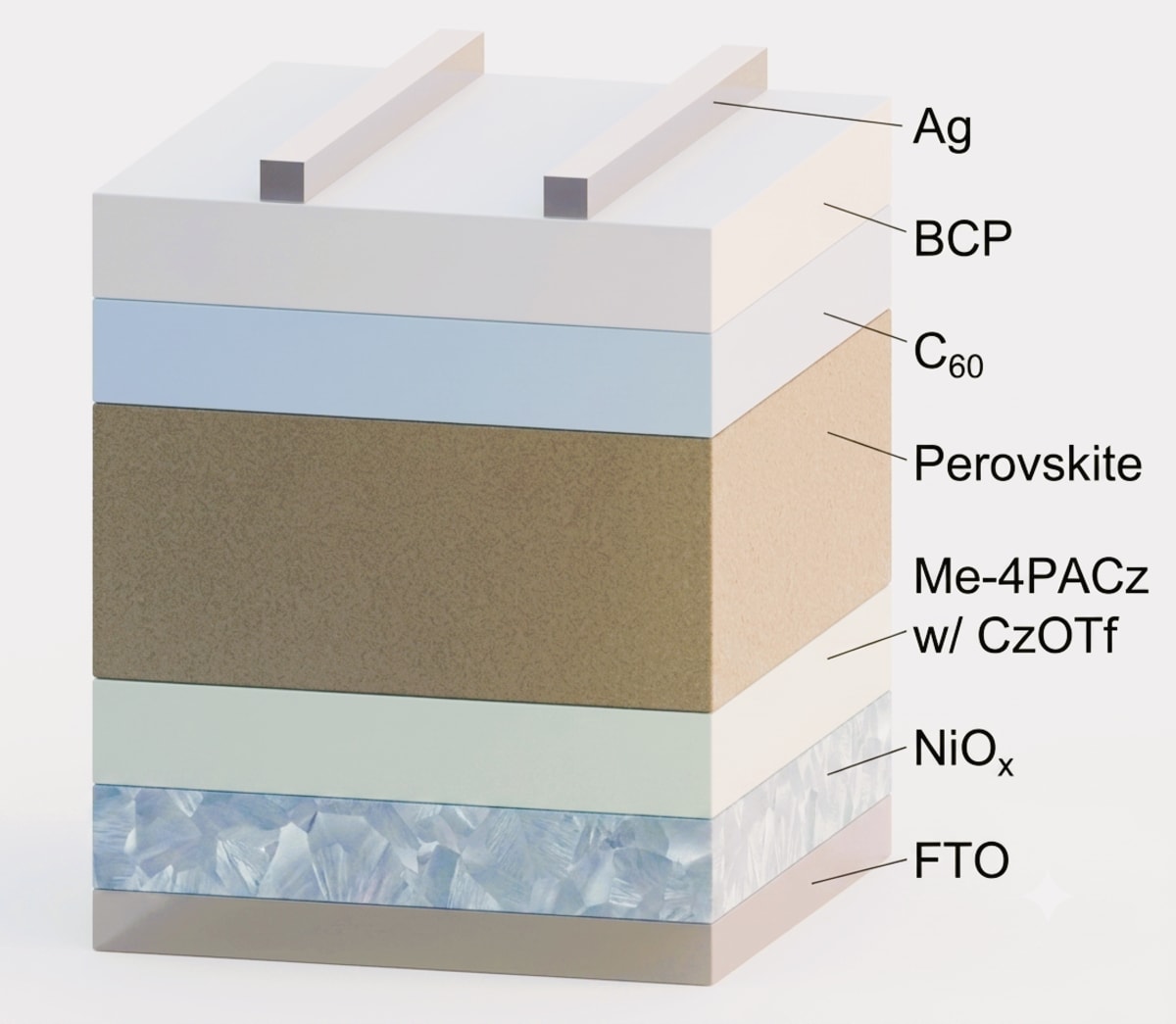
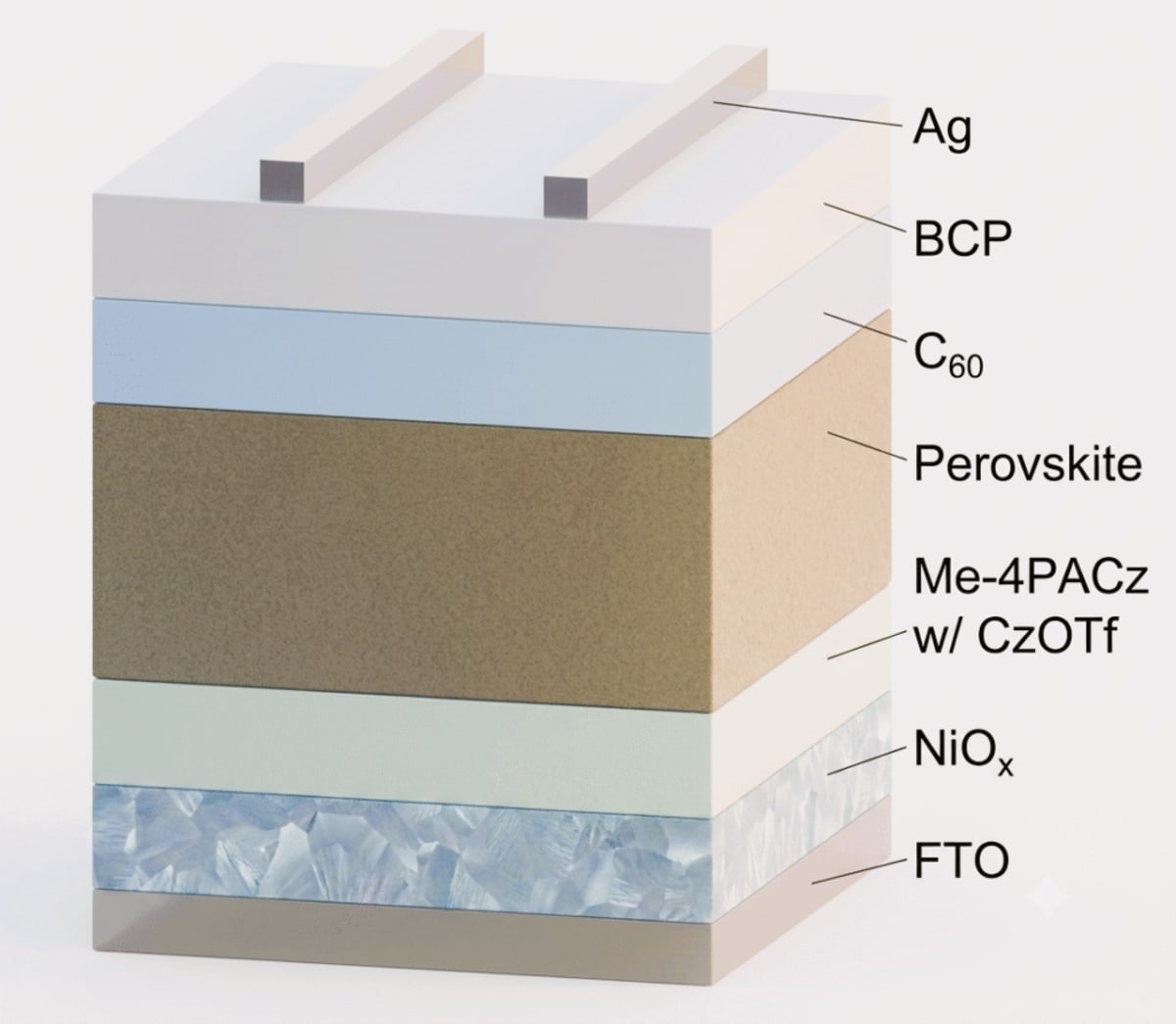
The breakthrough centers on perovskite solar cells, a newer technology that scientists believe could eventually replace traditional silicon panels. These cells are cheaper to make and more flexible, but they've had problems with stability and efficiency at the spots where different layers meet.
The Chinese team tackled this by pairing two carbazole-based molecules at a key interface inside the cell. One molecule, called Me-4PACz, already does a good job moving electric charges. The other, CzOTf, fills in gaps and creates a smoother, more complete surface.
Together, they solve multiple problems at once. The combination eliminates tiny holes and defects that waste energy, reduces stress in the material that causes breakdown, and helps electricity flow more smoothly through the cell.
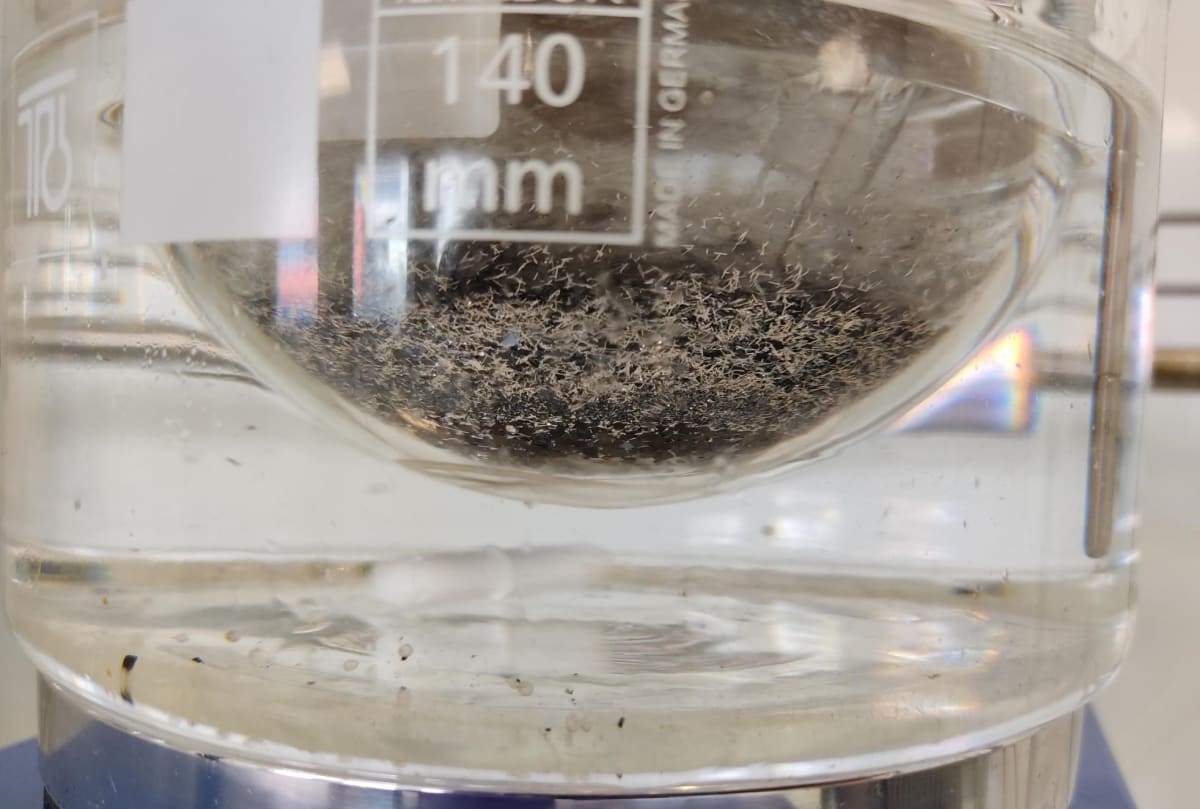
When the researchers looked at their cells under powerful microscopes, the difference was striking. Regular cells showed widespread gaps and discontinuities. The dual-molecule cells formed a substantially denser and more uniform layer.
The real test came when they scaled up their design. A large panel measuring 766 square centimeters still performed impressively at 21.54% efficiency. That's crucial because lab successes don't always translate to real-world panels.
The Ripple Effect
This advance couldn't come at a better time. As countries worldwide race to replace fossil fuels, every percentage point of solar efficiency matters. More efficient panels mean more clean energy from the same amount of space and materials.
The stability results are equally exciting. The cells kept 92% of their original efficiency after 2,000 hours of continuous light exposure. A large outdoor module operated for 35 days without any degradation.
That durability addresses one of the biggest concerns about perovskite technology. If these cells can maintain performance in real conditions, they could accelerate the global transition to renewable energy while bringing costs down.
The research team published their findings in Science Advances, making their methods available to scientists worldwide. Other labs can now build on this foundation, potentially pushing efficiency even higher.
Clean energy just got more powerful, more stable, and closer to transforming how we power our world.
More Images


Based on reporting by PV Magazine
This story was written by BrightWire based on verified news reports.
Spread the positivity!
Share this good news with someone who needs it