Chip Giants Adopt $400M Tech to Power Next-Gen AI, Phones
The world's leading chipmakers just committed to revolutionary new machines that will make smartphones, laptops, and AI systems faster and more efficient. Samsung, TSMC, and Intel are investing in technology that could boost chip production by 40 percent.
The future of your smartphone, laptop, and AI-powered devices just got brighter as the world's top chipmakers make a massive bet on next-generation technology.
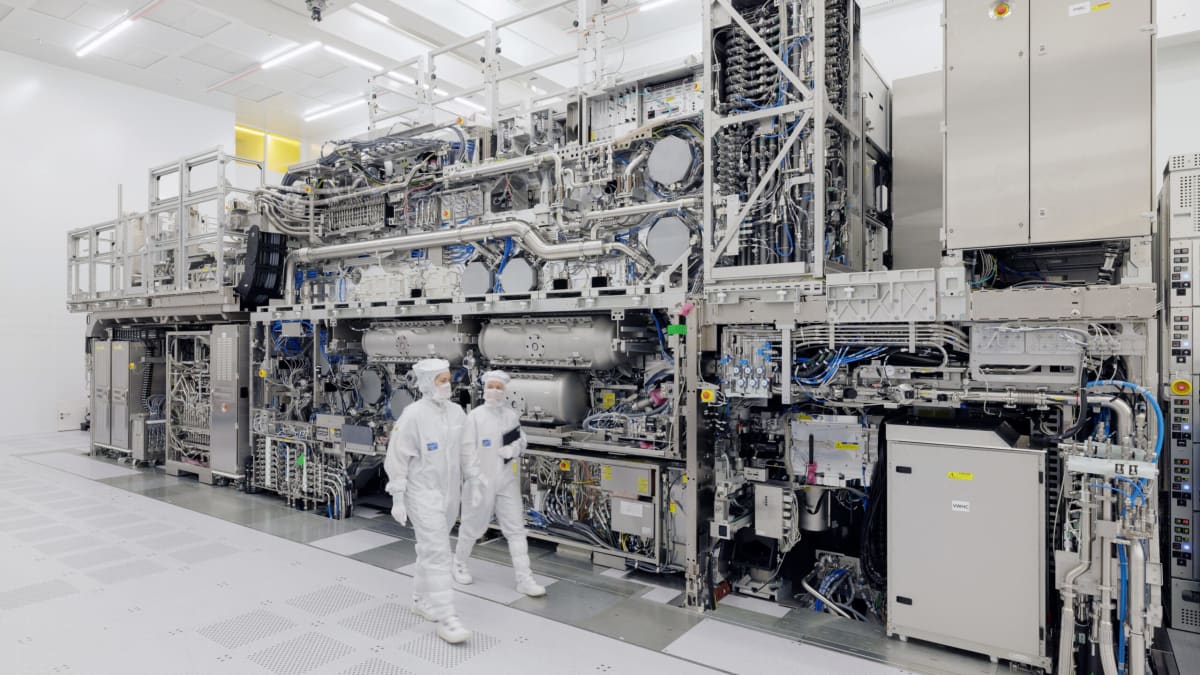
Samsung Electronics and Taiwan Semiconductor Manufacturing Co. (TSMC) announced plans to adopt cutting-edge chipmaking machines that cost up to $400 million each. These machines, made by Dutch company ASML, will help create smaller, more powerful, and more efficient computer chips starting in 2028.
The technology works like an incredibly precise printing press for silicon chips. ASML's machines use extreme ultraviolet light to draw tiny circuit patterns onto silicon wafers, layer by layer, creating the computer chips that power our devices.
What makes these new "high NA EUV" machines special is their ability to focus light with incredible precision using bigger mirrors and improved optics. Think of it like upgrading from a regular camera lens to a professional one that captures far more detail.
Samsung plans to use the technology for memory chips by 2028, while TSMC will manufacture advanced chips for major customers like Apple, AMD, Nvidia, and Qualcomm starting in 2030. Intel is already ahead of the game, having started using the technology for its Panther Lake processors in July 2026.
The three companies are also working together on a smart upgrade that could make chip production 40 percent more productive. They're switching from 6-inch to 12-inch photomasks, the stencils that provide circuit patterns for chips. It's like moving from a small canvas to a much larger one, allowing more chips to be made at once.
The Ripple Effect
This technological leap arrives at a perfect time. The global AI boom has created huge demand for more powerful chips, leading to shortages that have driven up prices for smartphones, laptops, and gaming systems.
Better chip production means more affordable devices for consumers and faster innovation in AI technology that could improve healthcare, education, and countless other fields. When the world's tech giants work together on common standards, everyone benefits from faster progress and lower costs.
The advances also highlight how international cooperation drives technological breakthroughs, even as political tensions continue around chip technology access.
Your next phone, computer, or AI assistant will likely run on chips made possible by this collaboration among the world's leading manufacturers.
More Images


Based on reporting by Ars Technica
This story was written by BrightWire based on verified news reports.
Spread the positivity!
Share this good news with someone who needs it