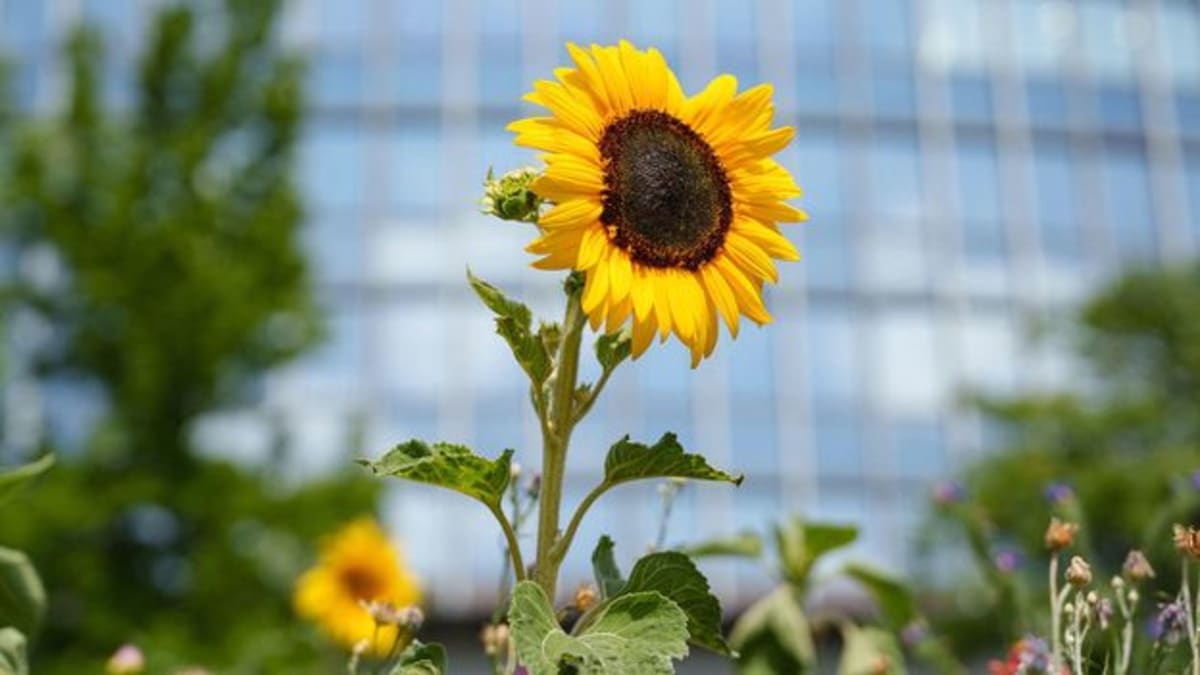
Cities Become Unlikely Havens for Vanishing Wildflowers
After losing 97% of wildflower meadows to modern agriculture, the UK is discovering an unexpected solution: cities are becoming thriving homes for these vital plants. Urban environments offer the perfect stressful conditions wildflowers need to flourish.
The concrete jungle is saving Britain's wildflowers, and it's all thanks to stress.
The UK has lost a staggering 97% of its wildflower meadows over the past century, victims of intensive farming practices that favor crops over native plants. But researchers are discovering that cities, with their harsh pavements and abandoned industrial sites, offer something rural farmland can't: the perfect amount of chaos for wildflowers to thrive.
"They need an unstable environment, because in stable environments, only a few species survive," explains Nadine Mitschunas, a pollinator ecologist at the UK Centre for Ecology and Hydrology. In cities, stress actually keeps competition down, giving wildflowers room to breathe.
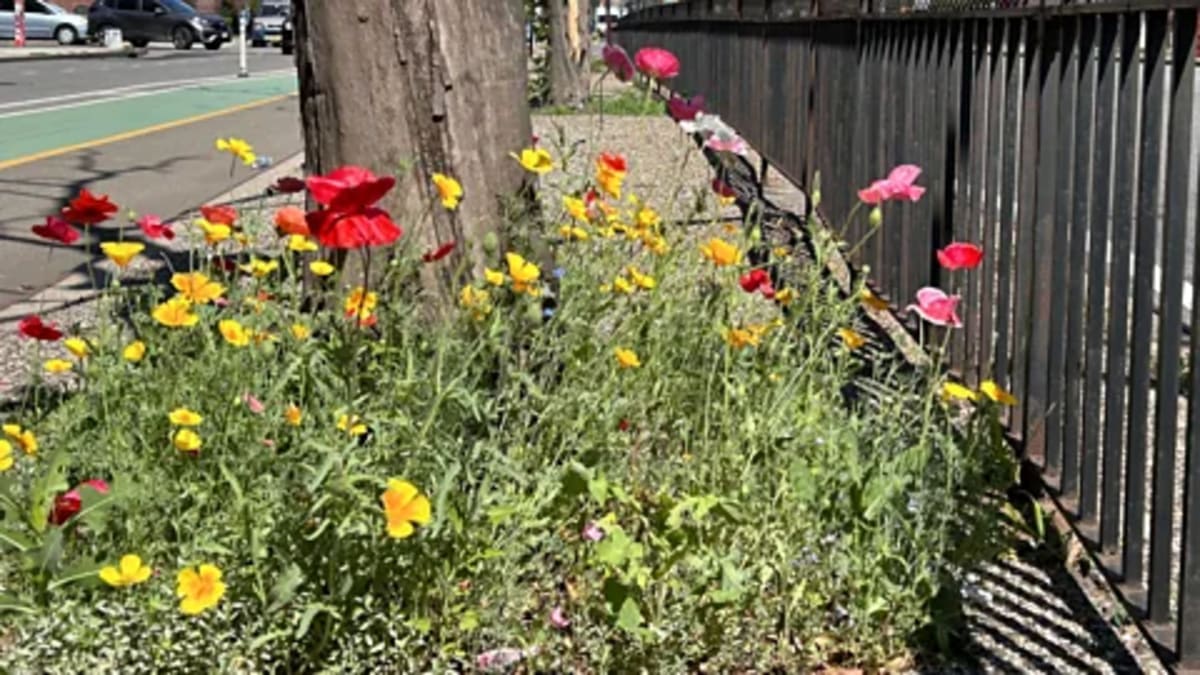
Urban areas provide countless microclimates within a small space: sunny walls, shaded pavements, riverside paths, and forgotten corners. Each niche becomes home to different wildflower species that couldn't survive the pesticide-heavy monoculture of modern farmland.
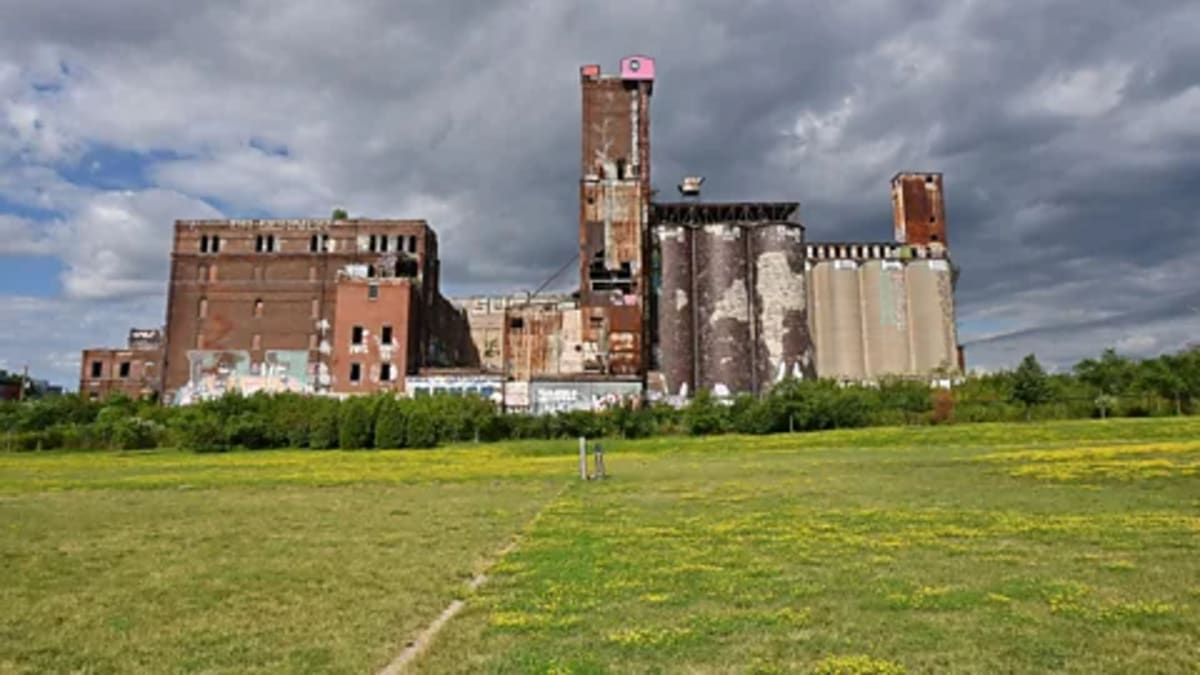
Even contaminated brownfield sites, once used for industrial purposes, are becoming wildflower hotspots. Their nutrient-poor, alkaline soil discourages aggressive plants but welcomes specialized wildflowers. Some species, like sheep's fescue and spring sandwort, even thrive on heavy metals left behind by industry.
The Ripple Effect
This urban wildflower revival is creating unexpected biodiversity wins across cities. At King's College Cambridge, researchers transformed a small lawn into a wildflower meadow in 2020. Within months, the meadow hosted three times as many species of plants, spiders, and insects compared to the manicured lawn it replaced.
The benefits cascade upward through the food chain. More wildflowers mean more invertebrates, which attract more bats and birds. Research by Cicely Marshall at the University of Cambridge found that urban wildflower areas support not just more bats, but more species of bats feeding on the insects.
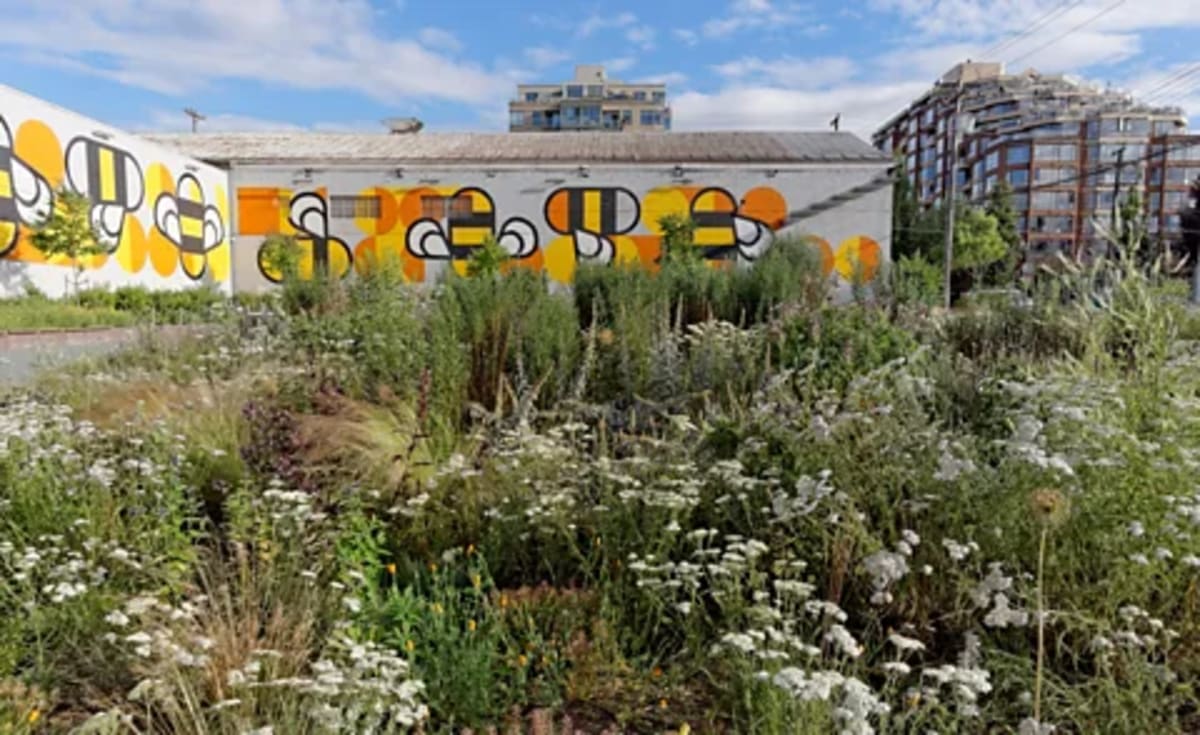
Studies in Warsaw, Poland, confirmed that urban wildflower meadows support the same diversity of pollinators as natural meadows in the countryside. The difference is that city meadows can exist in spaces that would otherwise be empty concrete or closely mowed grass.
Local authorities across the UK are catching on, deliberately leaving urban spaces unmowed to encourage wildflowers. "We need to accept a bit of wildness and untidiness," says Mitschunas. "We can't exist as humans alone; we're part of nature and we need to let nature in."
The solution to saving Britain's disappearing wildflowers might not require returning to traditional farming methods, but simply letting cities bloom where they naturally want to.
More Images
Based on reporting by BBC Future
This story was written by BrightWire based on verified news reports.
Spread the positivity!
Share this good news with someone who needs it