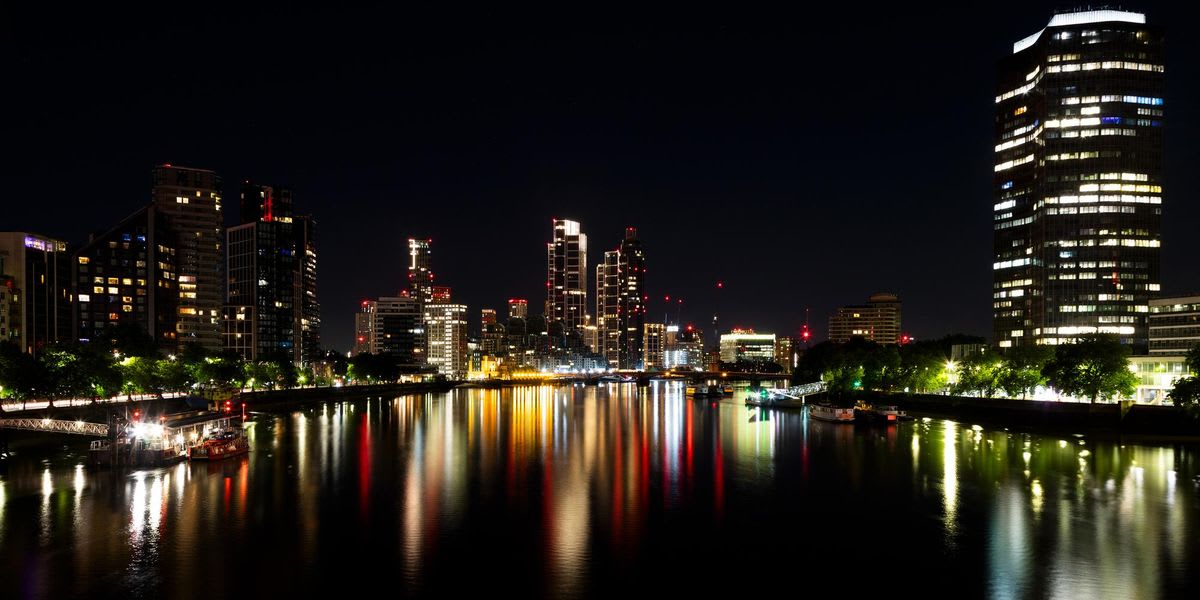
Cities Discover How Smart LED Use Can Restore Night Skies
LED technology uses 90% less energy than old bulbs and can be fine-tuned to reduce light pollution while keeping streets safe. Lighting designers in London and Paris are showing how intelligent LED design can bring back darker, healthier nights without sacrificing visibility.
The revolution in street lighting isn't just about saving energy anymore. Cities worldwide are discovering that LEDs offer something far more valuable: the ability to light our streets intelligently while giving our night skies back.
Simon Thorp, a lighting designer in London, measures just 2 lux of light in the shadows near Trafalgar Square's Nelson monument. That's barely brighter than moonlight, yet people can see each other perfectly and security cameras work just fine.
His measurements reveal a surprising truth that's changing how cities think about nighttime safety. Too much light actually makes us less safe by creating harsh shadows, washing out our vision, and making cameras struggle to capture clear images.
LEDs use up to 90% less energy than the incandescent bulbs that have lit our streets for over a century. But their real superpower lies in what they can do that old technology never could: be controlled, dimmed, and directed exactly where light is needed.
The Bright Side
Research into LED lighting is uncovering how smart design can protect both safety and health. Modern security cameras work brilliantly even at low light levels, meaning cities can reduce lighting intensity without compromising visibility.
The semiconductor technology behind LEDs allows engineers to tune color temperature, adjust brightness on demand, and shield light from spilling upward into the sky or sideways into windows. These aren't theoretical benefits—they're features cities can implement right now.
London and Paris, which pioneered public street lighting in the 1800s, are testing grounds for this smarter approach. Lighting experts there are demonstrating that the question isn't how much light we add, but how intelligently we use what we have.
The same LED technology that's replacing 90% of streetlights by 2030 can be programmed to support human circadian rhythms, reduce energy waste, and let us see stars again—all while keeping streets safe. The tools for better nights are already in our hands.
More Images
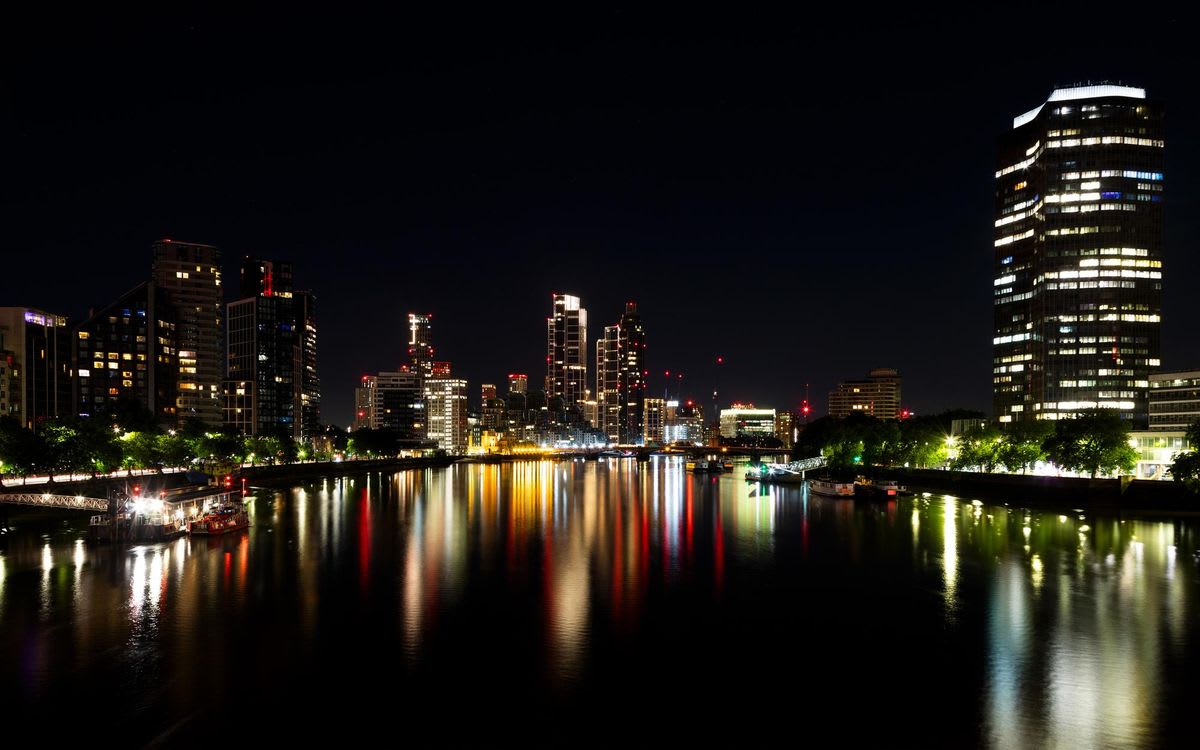
Based on reporting by IEEE Spectrum
This story was written by BrightWire based on verified news reports.
Spread the positivity!
Share this good news with someone who needs it


