Cities Earn $3 for Every $1 Spent on Parks and Trees
Scientists have proven what nature lovers always knew: urban trees and parks deliver triple the investment back to cities while fighting heat, floods, and pollution. Dozens of researchers are now calling for mayors worldwide to treat green spaces as essential infrastructure, not optional extras.
Your city's trees are working overtime, and they're not getting nearly enough credit for it.
While urbanites rush past them daily, trees are quietly cooling neighborhoods, preventing floods, and cleaning the air. Now dozens of scientists are demanding that mayors treat urban forests as seriously as roads and schools.
The numbers tell a compelling story. Every dollar a city invests in parks and recreation returns three dollars in local economic benefits annually. That's because green spaces encourage exercise, attract tourists, and spark economic activity in surrounding neighborhoods.
Manuel Esperon-Rodriguez, an ecologist at Bangor University, led a team of researchers publishing their case today in the journal PLOS Climate. Their message is simple: urban forestry needs to jump from "nice to have" to mandatory infrastructure.
The benefits extend far beyond economics. Trees significantly cool concrete jungles by providing shade and releasing water vapor. Green patches allow stormwater to soak into the ground instead of flooding streets, saving cities from expensive weather-related damages as climate change intensifies rainfall.
Parks also boost mental health, while urban farms create jobs and produce nutritious food. Native trees shelter wildlife and absorb pollutants, improving air quality for everyone who breathes.
The scientists laid out a four-point approach that starts with dedicated city budgets for urban forestry. This means funding not just tree planting, but ongoing maintenance to help young trees survive pests and other stresses.
The Ripple Effect
The transformation needs to happen equitably. Wealthier neighborhoods tend to be much greener and cooler than underserved areas, leaving people without air conditioning more vulnerable to dangerous urban heat.
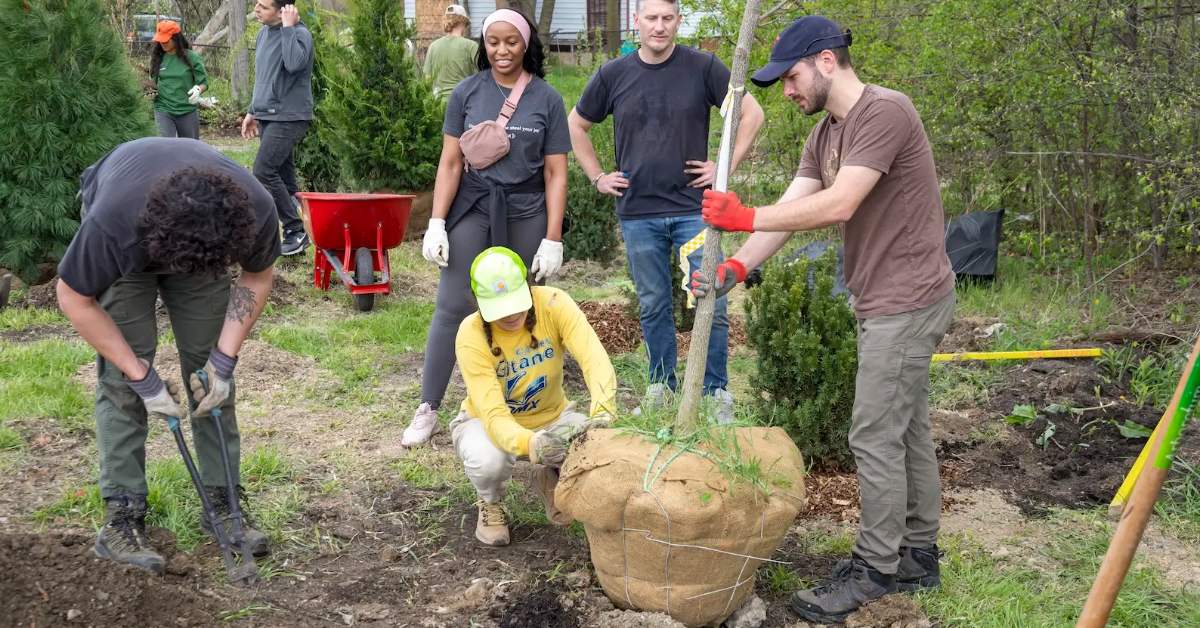
But cities can't just roll in and start planting. Community collaboration matters. Some neighborhoods might want fruit trees while others prefer less messy options. Allergy concerns and pollen levels factor into decisions too.
Esperon-Rodriguez emphasizes that canopy expansion needs to be legislated, not just promised during campaigns. Legally binding targets help citizens hold officials accountable and ensure green initiatives survive beyond election cycles.
The approach must also be evidence-based. Cities need to plant species that communities want and that will actually survive rising temperatures. It's about securing verdant, safer cities not just today, but for the next 50 years.
With proven economic returns and life-saving benefits, the case for urban forests isn't just compelling—it's irrefutable.
More Images

Based on reporting by Good Good Good
This story was written by BrightWire based on verified news reports.
Spread the positivity!
Share this good news with someone who needs it