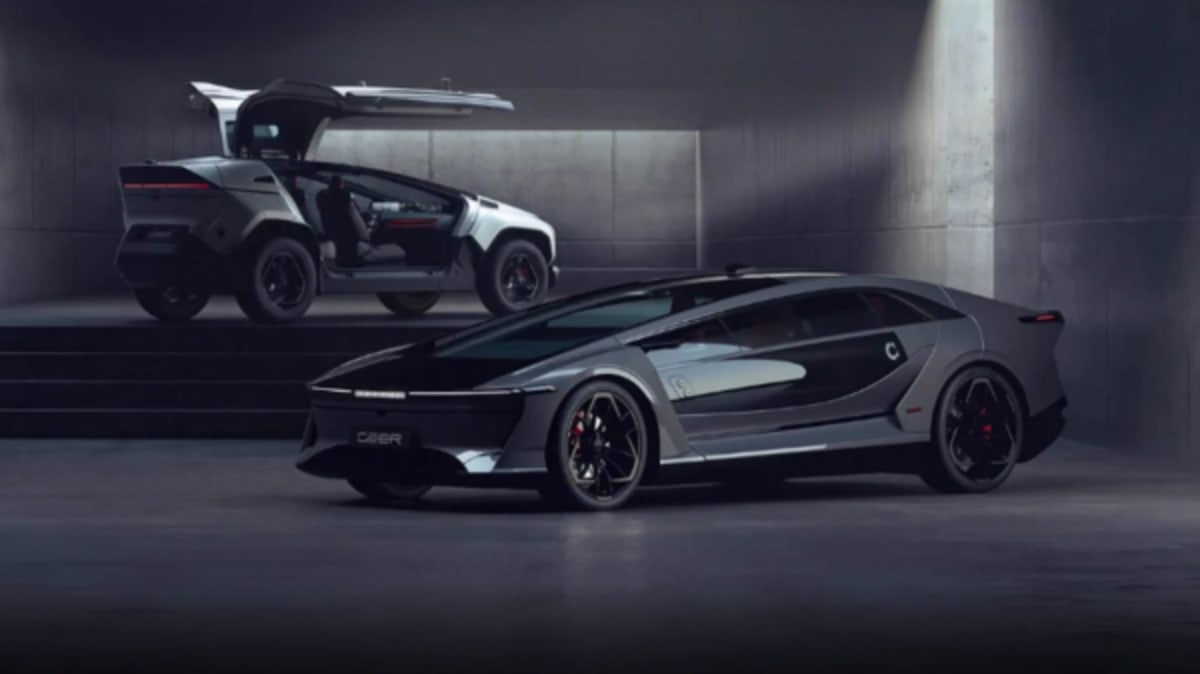
Citroën Plans $16K Electric Car to Revive Affordable Mobility
French automaker Citroën is developing a small electric city car priced under $16,000, aiming to bring new vehicles within reach of millions of Europeans priced out of the market. The project echoes the brand's legendary 2CV that helped mobilize postwar Europe.
For the first time in years, buying a new car might actually feel possible again for regular people.
French automaker Citroën just announced plans for a small electric city car priced below $16,000. That's thousands less than most electric vehicles on the market today, and it could help millions of Europeans who've been completely priced out of buying new cars.
The project isn't just another electric vehicle launch. It's Citroën's answer to a growing crisis: Europe's new car market still hasn't recovered from the pandemic, with sales millions of units below normal levels.
Average car age across Europe has climbed above 12 years because people simply can't afford to replace their aging vehicles. Medical workers, young professionals, and urban residents are keeping cars running far longer than planned because affordable alternatives don't exist.
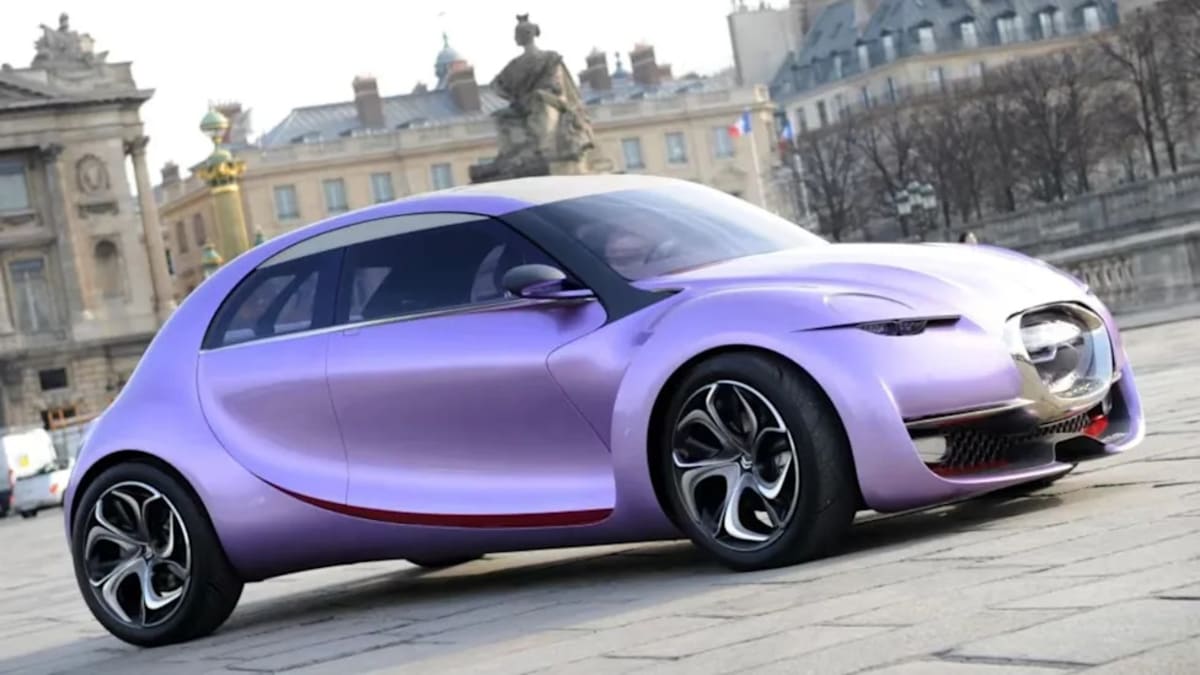
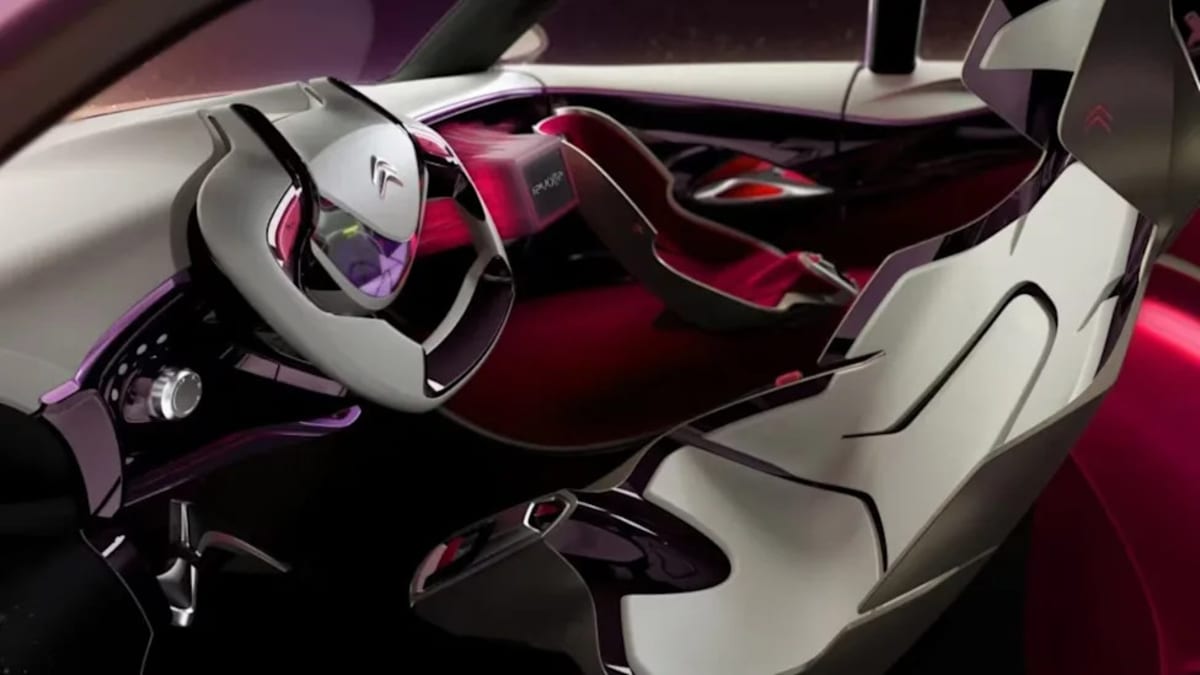
Citroën CEO Xavier Chardon says the goal is simple: restore purchasing power to people who've been pushed out of the new car market entirely. The company plans to reveal a concept version at the Paris Motor Show in October.
The inspiration comes from Citroën's own history. After World War II, the legendary Citroën 2CV helped bring affordable mobility to millions across Europe, carrying farmers, families, and goods across rural France with simple engineering and low running costs.
The Ripple Effect
New European Union regulations called "E-car" are making this possible by allowing automakers to build smaller, cheaper electric vehicles more easily. The initiative aims to revive a nearly extinct market segment: truly affordable new cars under $16,000.
If successful, the project could do more than just add another model to Citroën's lineup. It could prove that the auto industry can still serve regular people, not just luxury buyers, and dramatically increase electric vehicle adoption across Europe by making it genuinely accessible.
The car will likely serve as a spiritual successor to Citroën's C1, but with fully electric power and aggressive pricing that undercuts even the affordable e-C3. Unlike retro-styled EVs like the new Fiat 500, this won't be a nostalgic copy but a practical response to today's needs.
The stakes are high for both Citroën and European mobility. Success would bring the brand back to the center of the market conversation and help move Europe toward cleaner transportation without leaving everyday people behind.
Affordable transportation isn't just good business—it's the foundation of economic opportunity and independence for millions.
More Images


Based on reporting by Google News - Electric Vehicle
This story was written by BrightWire based on verified news reports.
Spread the positivity!
Share this good news with someone who needs it