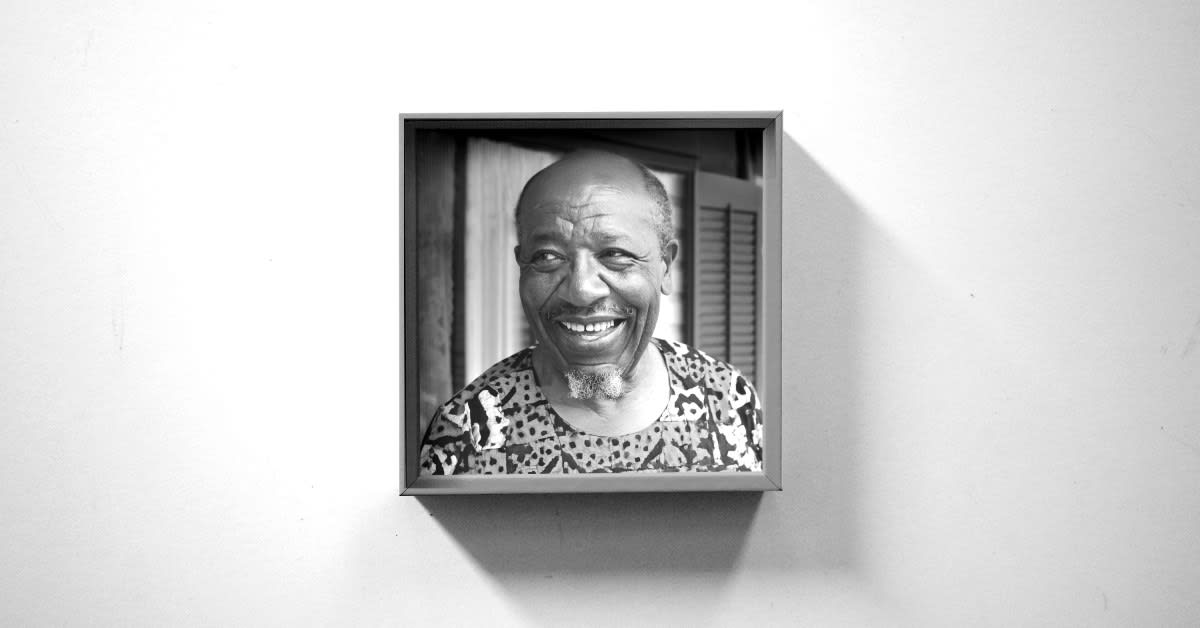
Civil Rights Leader John Perkins Dies at 95
John Perkins, who spent seven decades teaching Christians to fight racism and poverty as core expressions of faith, has died at 95. His life's work transformed how thousands of churches serve their communities. ##
A Mississippi sharecropper's grandson who survived his brother's murder by police became one of America's most influential voices for racial reconciliation and justice.
John Perkins died Friday at 95, leaving behind a legacy that changed how evangelical Christians think about poverty, racism, and community service. He didn't see these issues as political distractions. He saw them as the heart of the gospel.
Born in 1930 to Black sharecroppers in segregated Mississippi, Perkins lost his mother at seven months old. His father left soon after. When a white police officer killed his older brother Clyde, 16-year-old Perkins fled to California, fearing he'd be next.
He found work in a foundry, married, and started a family. His only goal was making money until his young son invited him to Sunday school. There, Perkins said, he realized something profound: "If a God in heaven loves me, and if this God who is creator and Lord of the universe loves me, then I'm loved by a very significant person."
That realization sent him back to Mississippi in 1960 to start a church. He taught Bible classes and held tent revivals. But he couldn't ignore the poverty and injustice surrounding his congregation.
Perkins helped register over 2,000 African Americans to vote in 1965. His white California supporters cut funding without explanation. He kept going, organizing housing co-ops, farmer's co-ops, and food programs.
He developed what he called the three R's: relocation (going to places of need), reconciliation (forming communities across racial lines), and redistribution (sharing resources until no one lacks). To Perkins, this wasn't progressive politics. It was "my old-fashioned reading of the Bible."
In 1989, he founded the Christian Community Development Association to spread this vision. The network now includes hundreds of churches committed to holistic community transformation.
The Ripple Effect
Perkins challenged an entire generation of American Christians to rethink what it means to follow Jesus. He insisted that opposition to racism wasn't optional or supplemental to faith. It was central.
His influence reached far beyond Mississippi. Christian author Shane Claiborne said Perkins "opened my eyes and set my heart on fire." Theologian Russell Moore noted that few people lived the gospel as fearlessly. Prison Fellowship founder Charles Colson called him a prophet.
Thousands of churches today run community development programs, tutoring centers, health clinics, and affordable housing projects because Perkins showed them the way. His vision of relocation meant middle-class Christians moving into struggling neighborhoods. His vision of reconciliation meant Black and white congregations worshiping and working together. His vision of redistribution meant wealthy believers voluntarily sharing until everyone had enough.
Perkins survived poverty, violence, and abandonment to become a voice for millions who had none.
##
More Images


Based on reporting by Google News - Reconciliation
This story was written by BrightWire based on verified news reports.
Spread the positivity!
Share this good news with someone who needs it

%2Fhttps%3A%2F%2Ftf-cmsv2-smithsonianmag-media.s3.amazonaws.com%2Ffiler_public%2F51%2F62%2F51625ade-c2d1-4eff-aec9-4262cb020a02%2Fedistone-hotel_19-1024x575.jpg)