Clean Energy Investment Hits $2.2 Trillion in 2026
The world is pouring $2.2 trillion into clean energy this year, far outpacing fossil fuel investments. For the second year running, solar, wind, and battery technologies are attracting more global funding than oil, gas, and coal combined. #
The world is pouring $2.2 trillion into clean energy this year, far outpacing fossil fuel investments and proving the green transition is accelerating faster than many predicted.
The International Energy Agency released new data showing global investment in solar panels, wind turbines, batteries, and other clean technologies will reach roughly $2.2 trillion in 2026. That massive sum once again dwarfs the amount flowing toward oil, gas, and coal projects worldwide.
This marks the second consecutive year that clean energy has dominated global energy investment. The trend signals a fundamental shift in where governments, businesses, and investors see the future of power generation heading.
The financial momentum reflects both falling costs for renewable technologies and growing confidence in their reliability. Solar and wind power have become cheaper than fossil fuels in most markets, making them attractive purely on economic grounds before considering climate benefits.
Countries across every continent are contributing to the investment surge. Wealthy nations are racing to meet climate commitments, while developing economies are leapfrogging straight to renewables rather than building outdated fossil fuel infrastructure.
The Ripple Effect
This investment wave creates millions of jobs in manufacturing, installation, and maintenance of clean energy systems. Factory workers building solar panels, technicians installing wind turbines, and engineers designing better batteries all benefit from the funding boom.
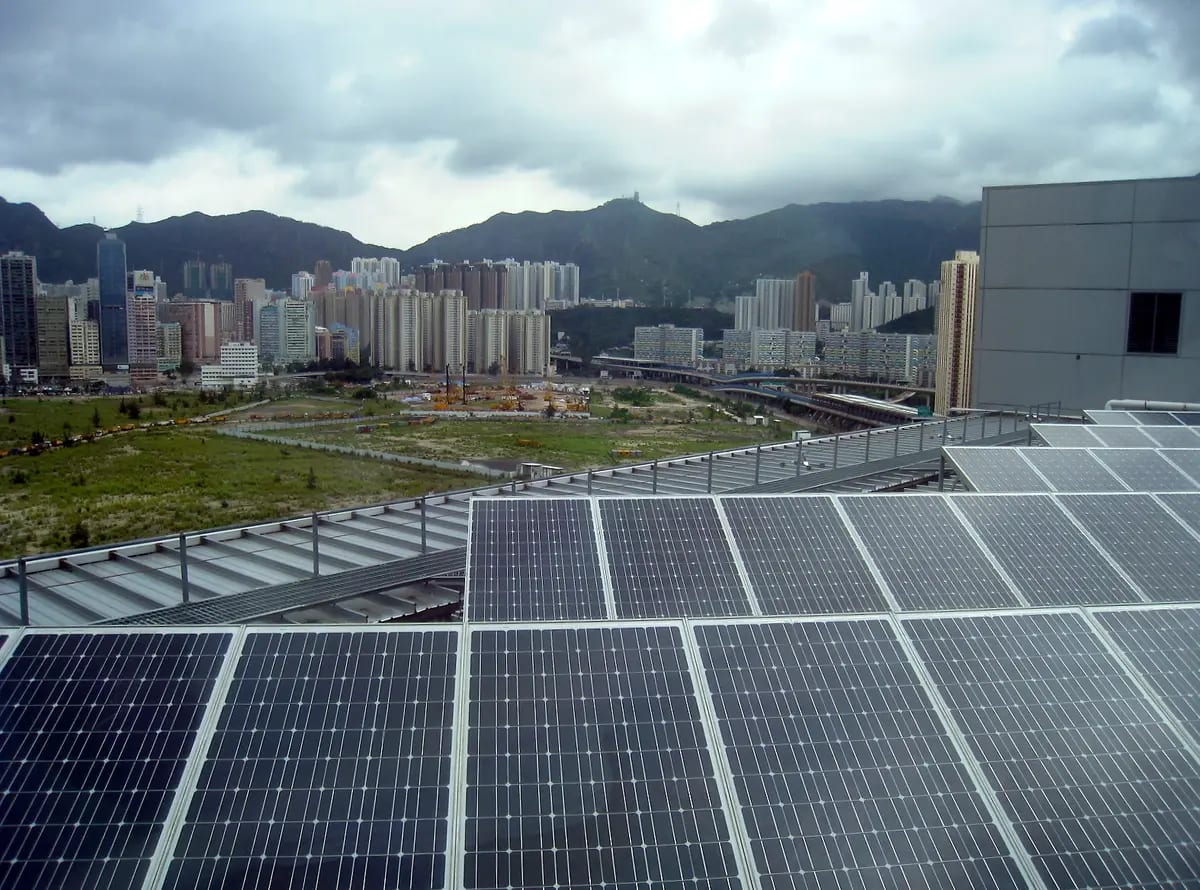
The money also translates into tangible progress on the ground. Every billion invested means more homes powered by sunshine, more electric vehicles on roads, and more communities breathing cleaner air as coal plants retire.
Perhaps most importantly, the investment gap sends a clear market signal about energy's future. When clean technologies attract twice the funding of fossil fuels, it becomes harder to argue the transition isn't economically viable or inevitable.
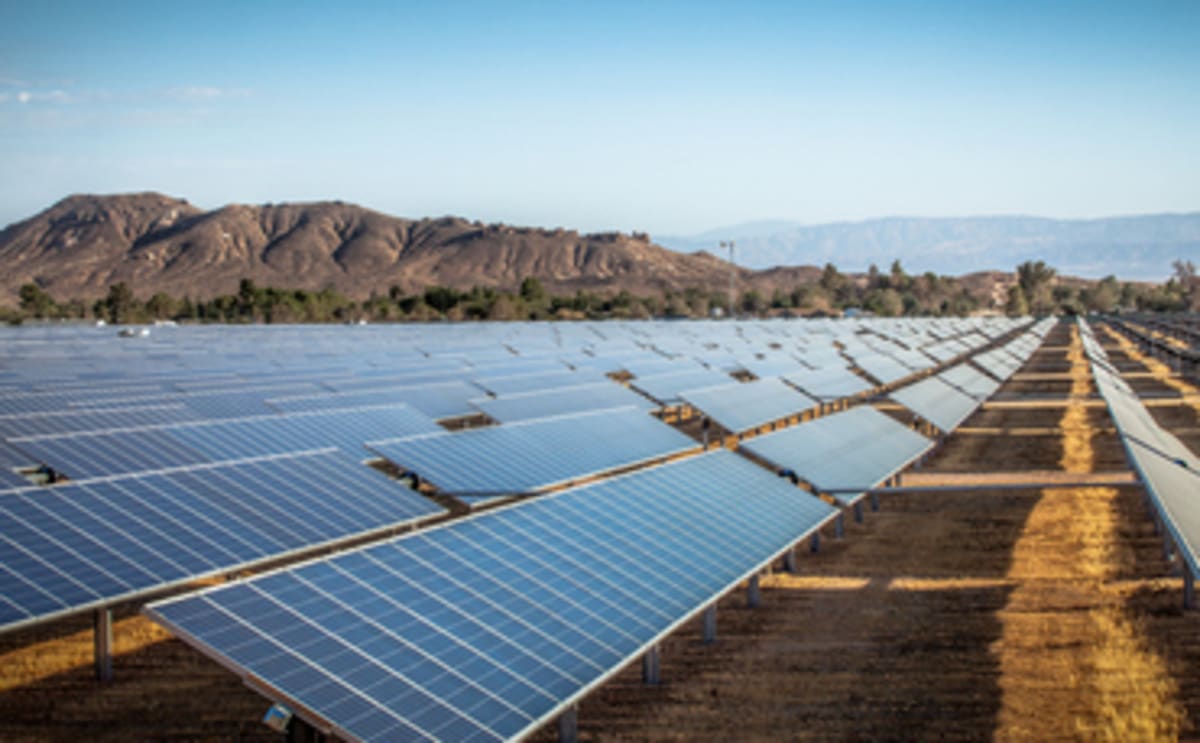
The $2.2 trillion figure represents real capital flowing into physical projects, not just promises or pledges. Construction cranes are rising at solar farms, factories are tooling up to produce batteries, and power grids are getting upgraded to handle renewable electricity.
The financial shift is changing the planet's energy mix faster than climate models predicted just a decade ago.
#
More Images

Based on reporting by Google: clean energy investment
This story was written by BrightWire based on verified news reports.
Spread the positivity!
Share this good news with someone who needs it