Cleveland Hospital Offers Painless Treatment for Fatal Heart Rhythm
A Cleveland hospital now offers a 40-minute, non-invasive treatment for patients with a deadly heart condition who are too frail for surgery. The breakthrough therapy uses targeted radiation instead of a grueling procedure inside the heart.
Patients with a life-threatening heart rhythm disorder finally have hope, even when they're too sick for traditional treatment.
University Hospitals in Cleveland just launched a groundbreaking therapy for refractory ventricular tachycardia, a dangerous condition where the heart beats so fast it can cause sudden cardiac arrest. This disorder kills hundreds of thousands of Americans every year.
Most patients with this condition rely on implanted defibrillators that deliver painful electric shocks to reset their heart rhythm. For some people, these shocks happen over and over, sometimes daily, and can't be stopped by medications or standard procedures.
The traditional fix is catheter ablation, where doctors thread tubes into the heart for four to six hours to destroy the tissue causing electrical misfires. But some patients are simply too weak to survive such a demanding procedure, leaving them trapped in a cycle of recurring shocks with no way out.
The new treatment, called stereotactic body radiation therapy, changes everything. Instead of invasive surgery, doctors use precisely targeted radiation beams from outside the body to neutralize the problem tissue. The entire procedure takes just 40 minutes.
"Better treatments are sorely needed for this often-lethal condition," said Dr. Esseim Sharma, Director of Ventricular Arrhythmias Research at UH Harrington Heart & Vascular Institute. His team spent over 18 months bringing this technology to Cleveland, making UH one of just a handful of centers worldwide offering it.
The therapy can reach deep areas of heart muscle that catheters struggle to access. It works even for patients with blood clots that would make traditional ablation too risky.
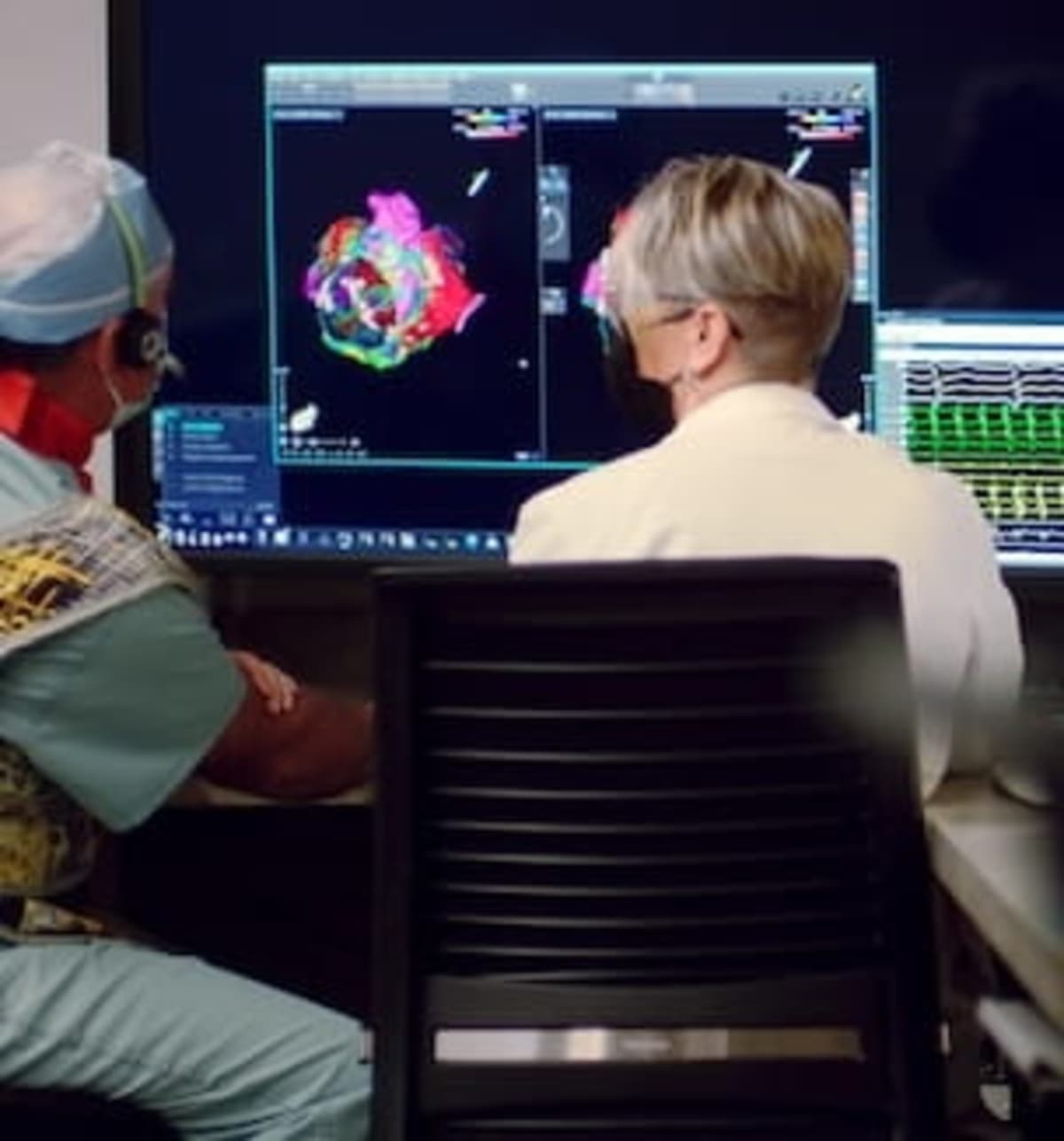
The process starts with advanced cardiac imaging and AI-enhanced 3D models that map the heart with incredible precision. This digital blueprint shows doctors exactly where to aim the radiation for maximum safety and effectiveness.
Why This Inspires
This breakthrough represents medicine at its most compassionate. While other hospitals might have given up on patients too frail for surgery, University Hospitals saw people who deserved another chance.
The collaboration required was massive, bringing together electrophysiologists, radiation oncologists, imaging specialists, and AI experts. Each discipline contributed its expertise to create a solution that didn't exist before.
For patients who've endured countless painful shocks and been told nothing more could be done, this 40-minute procedure offers something precious: hope for relief without the trauma of invasive surgery. It's proof that innovation happens when brilliant minds refuse to accept "impossible" as an answer.
Dozens of patients who once faced daily shocks and declining quality of life now have a path forward.
Based on reporting by Google News - New Treatment
This story was written by BrightWire based on verified news reports.
Spread the positivity!
Share this good news with someone who needs it