mRNA Cancer Vaccines Cut Recurrence Risk by 50%
Personalized cancer vaccines using mRNA technology are showing remarkable success in clinical trials, cutting melanoma recurrence rates in half. The same breakthrough that brought us COVID-19 vaccines is now training immune systems to hunt down and destroy cancer cells.
Scientists are winning the fight against cancer with personalized vaccines that teach your body to recognize and destroy tumors. After years of research, mRNA cancer vaccines are delivering results that oncologists once only dreamed about.
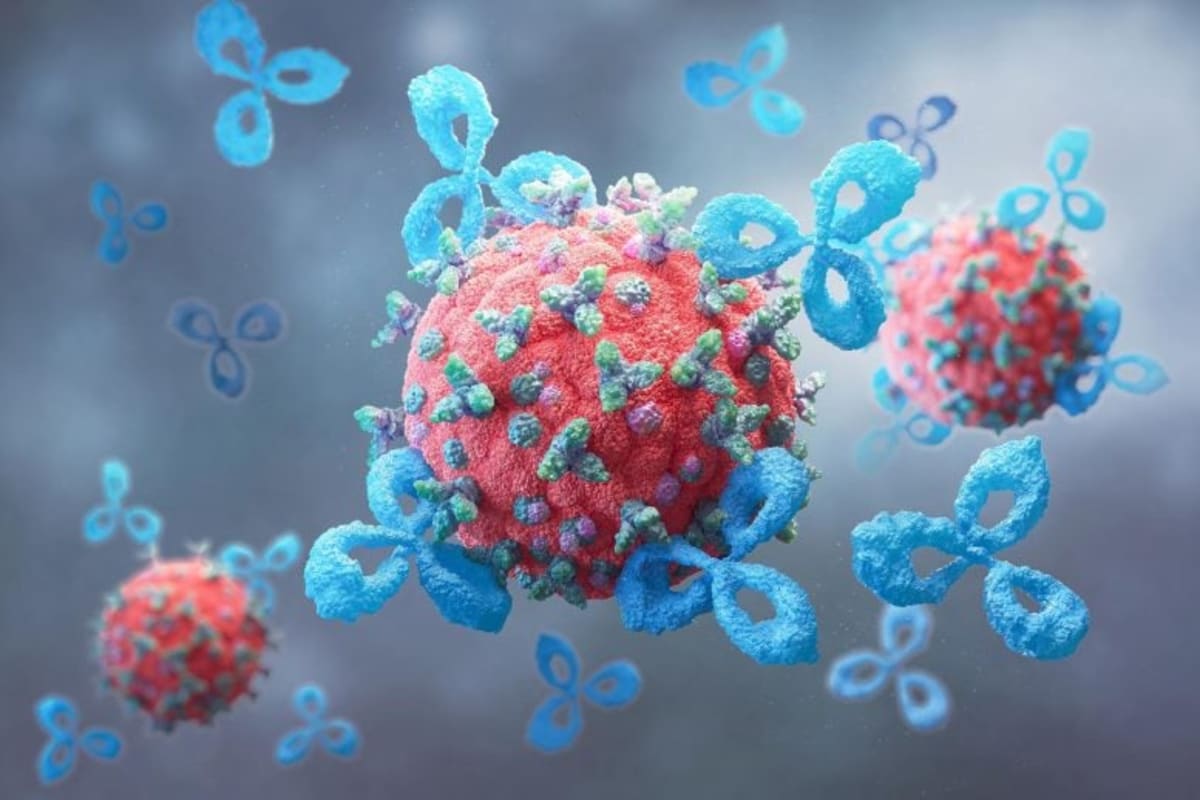
The approach is surprisingly elegant. Doctors analyze a patient's unique tumor, identify its specific mutations, and create a custom vaccine that acts like a wanted poster for the immune system. Your body learns to spot those exact cancer markers and attack them while leaving healthy cells untouched.
Moderna and Merck are leading the charge with a treatment combining their experimental mRNA vaccine with powerful immunotherapy drugs. In late-stage trials for high-risk melanoma patients, the combination reduced cancer spread and recurrence by half compared to standard treatment alone.
"These are very promising results that give hope to patients with melanoma and to the entire field of cancer vaccination," says Dr. Ryan Sullivan, Director of Cutaneous Medical Oncology at Mass General Brigham Cancer Institute. One melanoma study has kept patients cancer-free for five years.
The technology isn't stopping at skin cancer. Researchers are testing personalized vaccines against lung, breast, pancreatic, prostate, and brain cancers. A pancreatic cancer trial generated cancer-fighting T cells that extended remission periods. Brain cancer studies show early success activating immune defenses against aggressive tumors.
Since the early 2000s, scientists have launched over 120 clinical trials exploring mRNA cancer vaccines. The COVID-19 pandemic accelerated the technology, proving mRNA vaccines could be developed safely and manufactured quickly at scale.
The Ripple Effect
This breakthrough reaches far beyond individual patients. Over 2 million Americans will be diagnosed with cancer this year, and 626,000 will die from the disease. Personalized vaccines offer a path forward that attacks cancer without the devastating side effects of traditional chemotherapy.
The research is expanding rapidly as scientists develop better methods to identify tumor targets and combine vaccines with other treatments. Each successful trial brings researchers closer to turning cancer into a manageable chronic condition rather than a death sentence.
The Cancer Research Institute acknowledges there's still much to learn, and bringing these vaccines to widespread public use could take 10 to 15 years. But the foundation is solid, the results are real, and thousands of patients are already benefiting from trials.
After decades of incremental progress, cancer treatment is finally taking a giant leap forward.
Based on reporting by Google News - Vaccine Success
This story was written by BrightWire based on verified news reports.
Spread the positivity!
Share this good news with someone who needs it