Coastal Martens Return: Once-Extinct Species Alive in CA
A small carnivore once believed extinct has been found thriving in Northern California's remote forests. Scientists discovered 46 coastal martens surviving against the odds, offering hope for one of the West Coast's rarest animals.
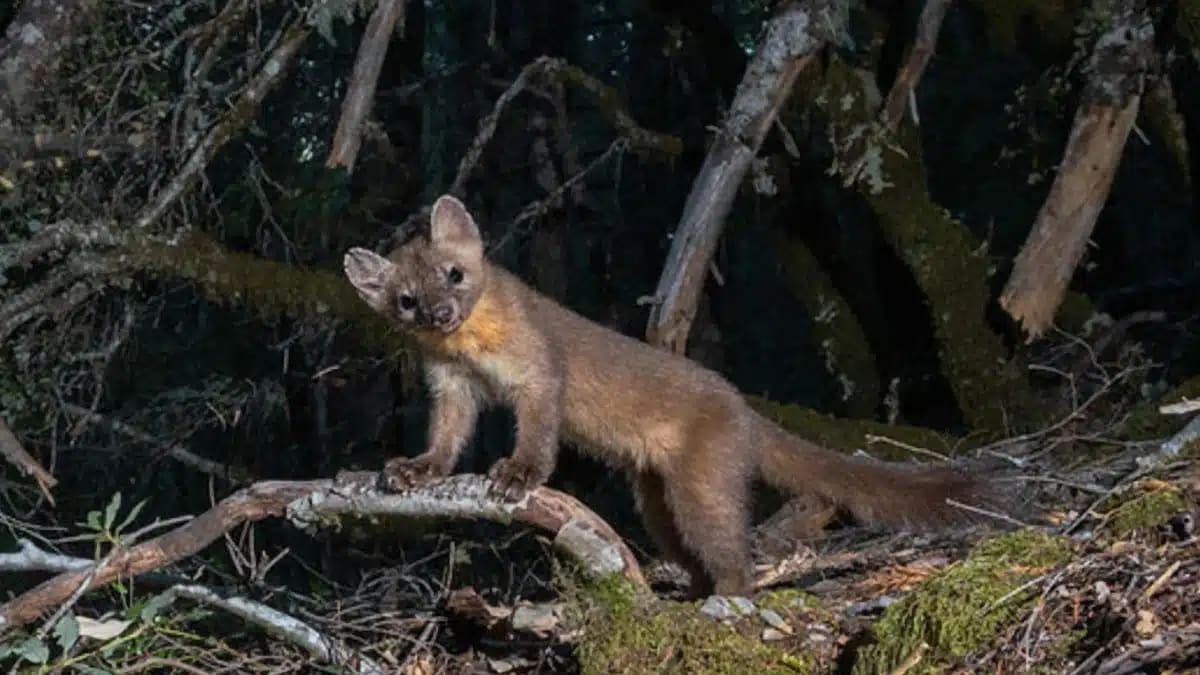
The coastal marten, a ferret-sized carnivore thought to have disappeared forever, is alive and hanging on in Northern California's wilderness.
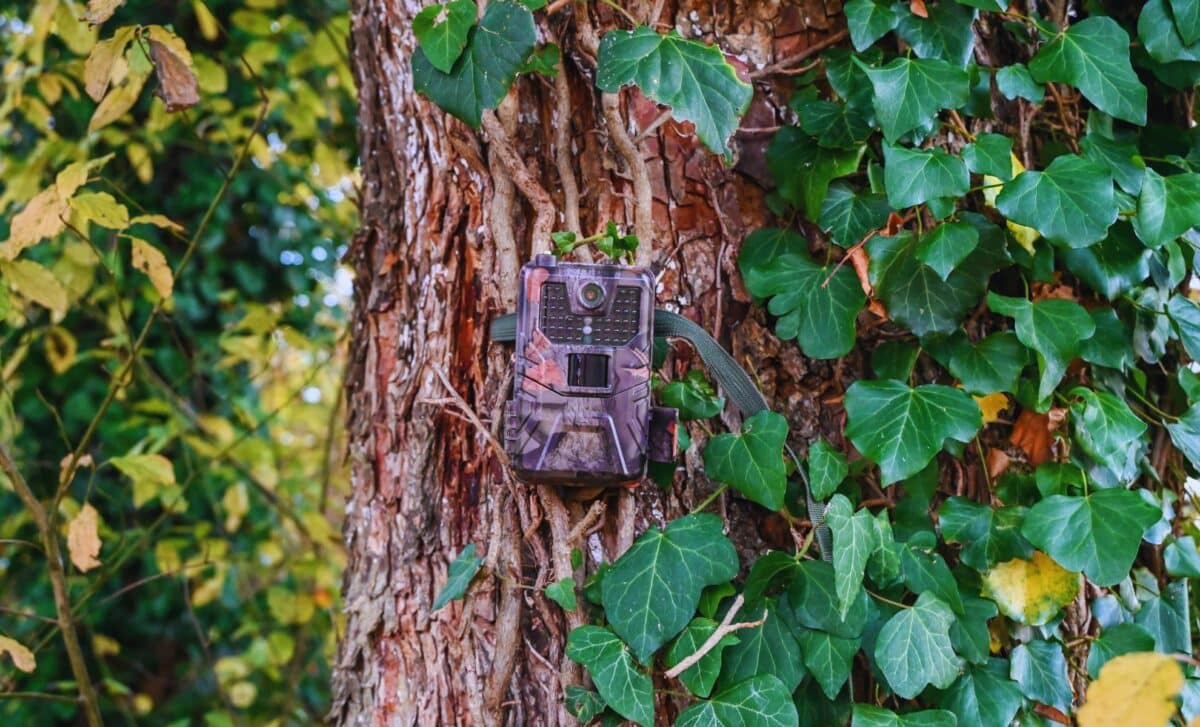
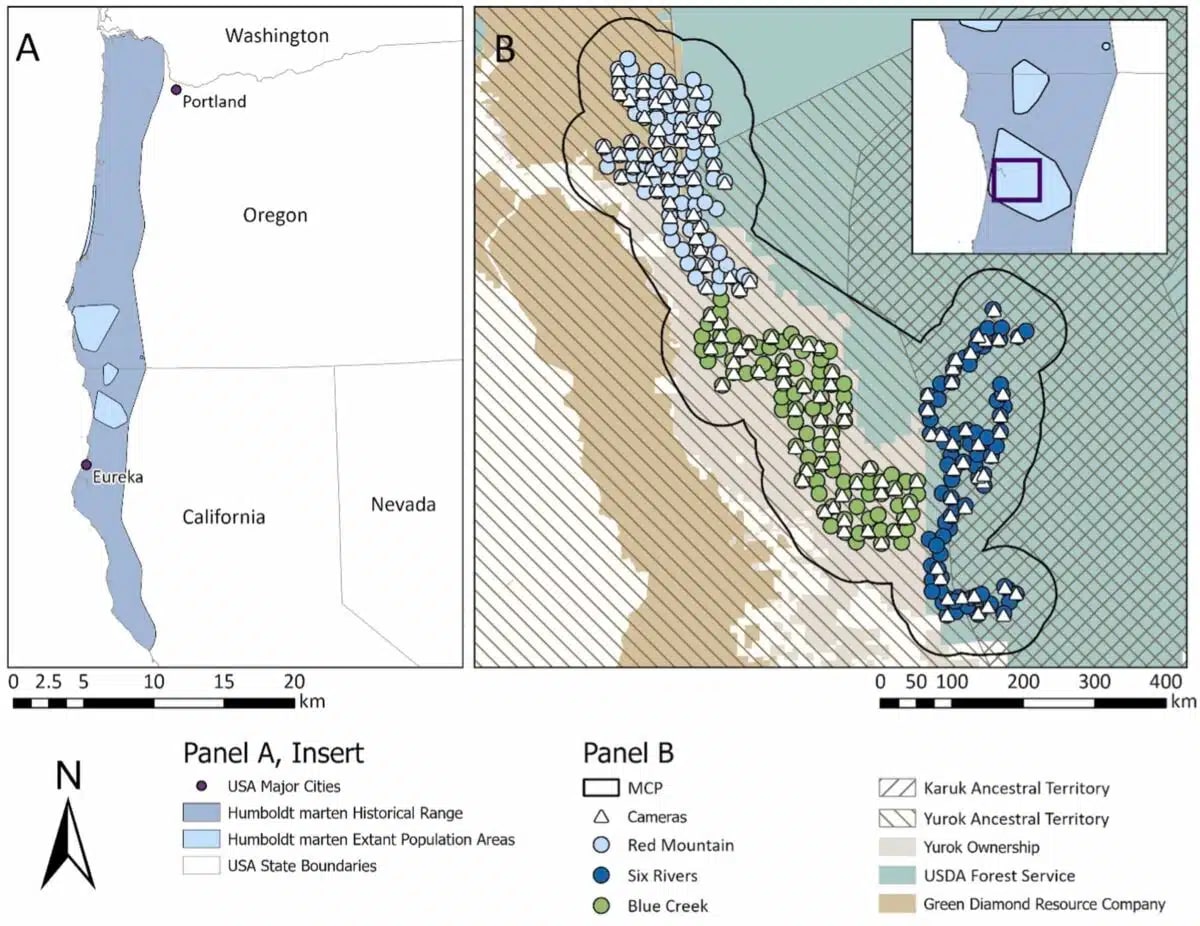
Oregon State University researchers just confirmed what conservationists hoped for decades. Using remote cameras and hair snares across 150 square miles of rugged forest, they found 46 individual martens still calling these ancient woods home.
The discovery marks a stunning turnaround for a species nearly wiped out in the 20th century. Trapping and logging destroyed most of their habitat, and by the 1990s, scientists believed the coastal marten had vanished completely from California. Then in 1996, a small population turned up in the northern coastal forests, sparking cautious optimism.
Now this latest research shows exactly where these shy, secretive animals prefer to live. The martens favor two specific environments: snowy forested ridges at higher elevations and tree-dense ravines along the coast. Their presence proves that pockets of healthy, old-growth forest still exist in the region.
"We have a lot to learn about marten distribution and demography, and how forest conditions influence their distribution and density," said Erika Anderson, the study's lead researcher at OSU. The team plans deeper investigations into the marten's behavior and habitat needs to create targeted protection strategies.
The challenges ahead remain serious. Climate-driven wildfires threaten their preferred old-growth forests, while cars, continued logging, and toxic rodenticides take a steady toll on the fragile population. Wildlife ecologist Sean Matthews warns that the forests martens depend on face mounting pressures from climate change and certain management practices.
The Ripple Effect
What makes this story truly special isn't just the cameras and science. Indigenous groups like the Yurok Tribe have been quietly restoring these habitats and protecting the land for generations, long before researchers arrived with modern tracking equipment. Their patient stewardship created the conditions that allowed these elusive creatures to survive when everyone else thought they were gone.
The coastal marten's return shows what's possible when people commit to healing damaged ecosystems. Every rediscovered population proves that extinction isn't always inevitable, and that wild places can recover when given the chance and protection they need.
Forty-six martens may not sound like many, but for a species written off as extinct, it's everything.
More Images
Based on reporting by Google News - Science
This story was written by BrightWire based on verified news reports.
Spread the positivity!
Share this good news with someone who needs it