Coffee Compounds Outperform Diabetes Drug in Lab Study
Scientists discovered three new compounds in roasted coffee beans that slow sugar absorption better than a common diabetes medication. The finding could lead to coffee-based foods that help manage blood sugar naturally.
Your morning coffee might be doing more for your health than you think.
Researchers in China discovered three previously unknown compounds in roasted coffee beans that slow down how quickly sugar enters the bloodstream. The compounds work better than acarbose, a drug commonly prescribed to manage type 2 diabetes.
The team at the Kunming Institute of Botany faced a challenge: coffee beans contain thousands of interlinked chemicals. Finding the helpful ones meant sorting through an incredibly complex puzzle.
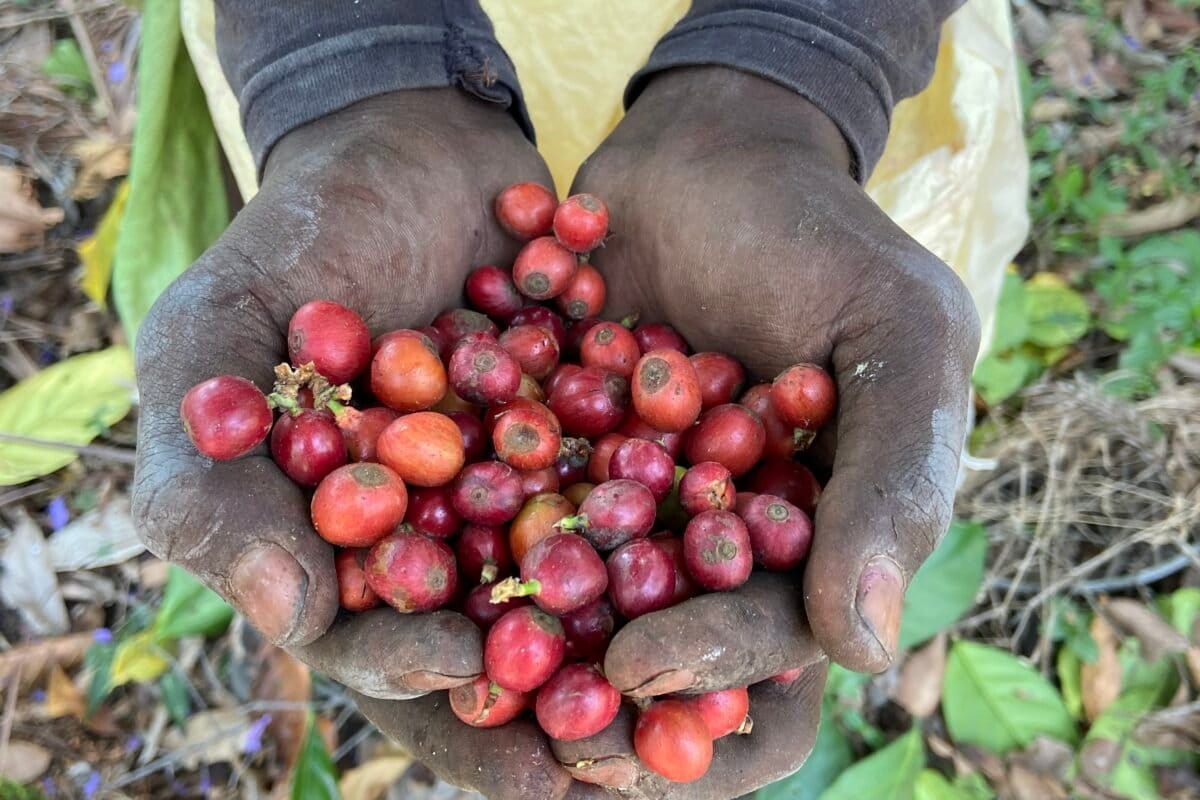
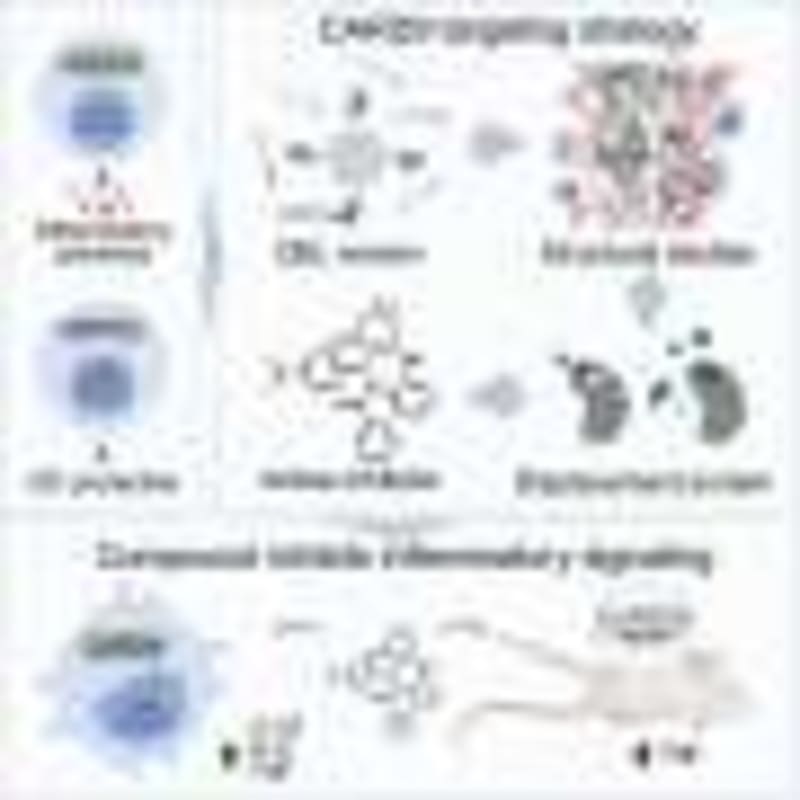
They used advanced lab tools to analyze roasted Coffea arabica beans in three careful steps. The process led them to isolate three new compounds they named caffaldehydes A, B, and C.
All three compounds strongly blocked α-glucosidase, an enzyme that breaks down carbohydrates during digestion. When this enzyme works more slowly, sugar enters the blood at a steadier pace instead of spiking suddenly.
The potency measurements showed the coffee compounds ranged from 45.07 to 17.50 micromoles. That means they were more effective than acarbose at the same doses. (Lower numbers mean stronger effects.)
The team didn't stop there. Using additional detection methods, they uncovered three more previously unknown compounds hiding in the coffee.
Lead researcher Minghua Qiu says the findings add to growing evidence that coffee offers health benefits beyond taste and energy. The discovery shows that everyday foods can contain powerful compounds we haven't yet identified.
The Bright Side
This research opens a door for developing coffee-based ingredients that support blood sugar control naturally. Instead of synthetic drugs alone, people with type 2 diabetes might one day have food options enriched with these coffee compounds.
The method the researchers developed also matters beyond coffee. Their three-step screening process can now be used to uncover health-related compounds in other complex foods. That means more discoveries could be coming from ingredients already sitting in our kitchens.
The next step involves testing whether these compounds are safe and effective in living organisms, not just in lab dishes.
For the millions managing type 2 diabetes, this research brings hope that solutions might come from sources as familiar as their morning cup of coffee.
More Images



Based on reporting by Medical Xpress
This story was written by BrightWire based on verified news reports.
Spread the positivity!
Share this good news with someone who needs it