Collecting Trash Less Often Boosts Recycling Rates
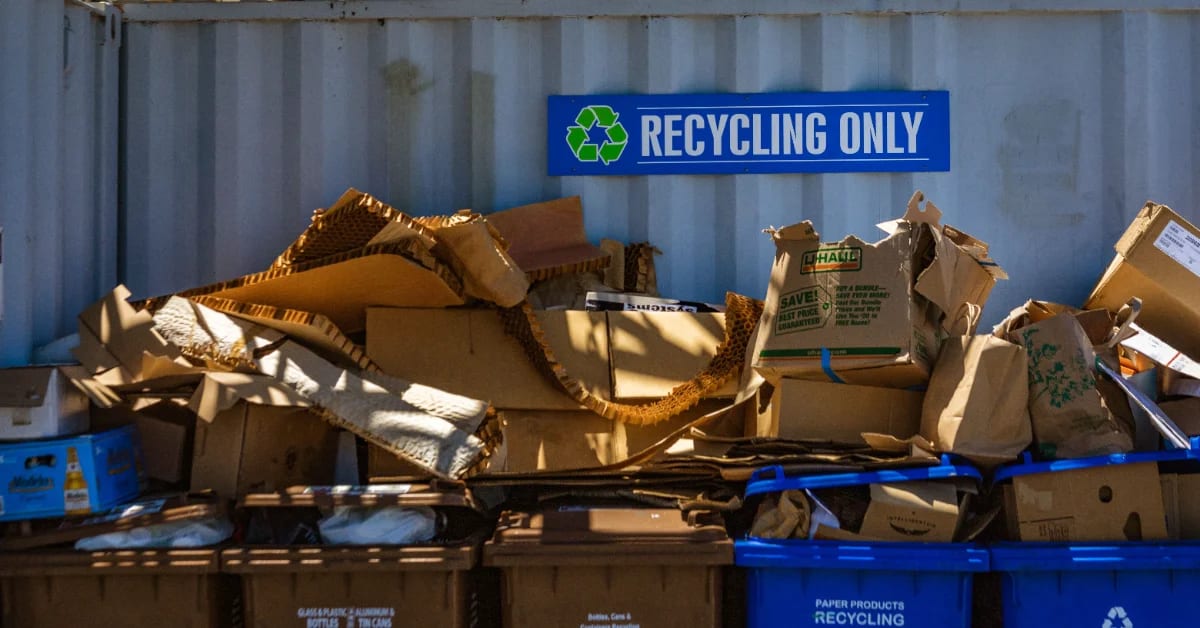
A new study from England and Wales reveals a counterintuitive solution to recycling problems: picking up garbage every three weeks instead of weekly makes people recycle and compost more. The findings could help Canada boost its lagging 27% recycling rate.
What if the secret to getting people to recycle more is picking up their trash less often? That's exactly what researchers discovered when they analyzed recycling data from hundreds of communities across England and Wales.
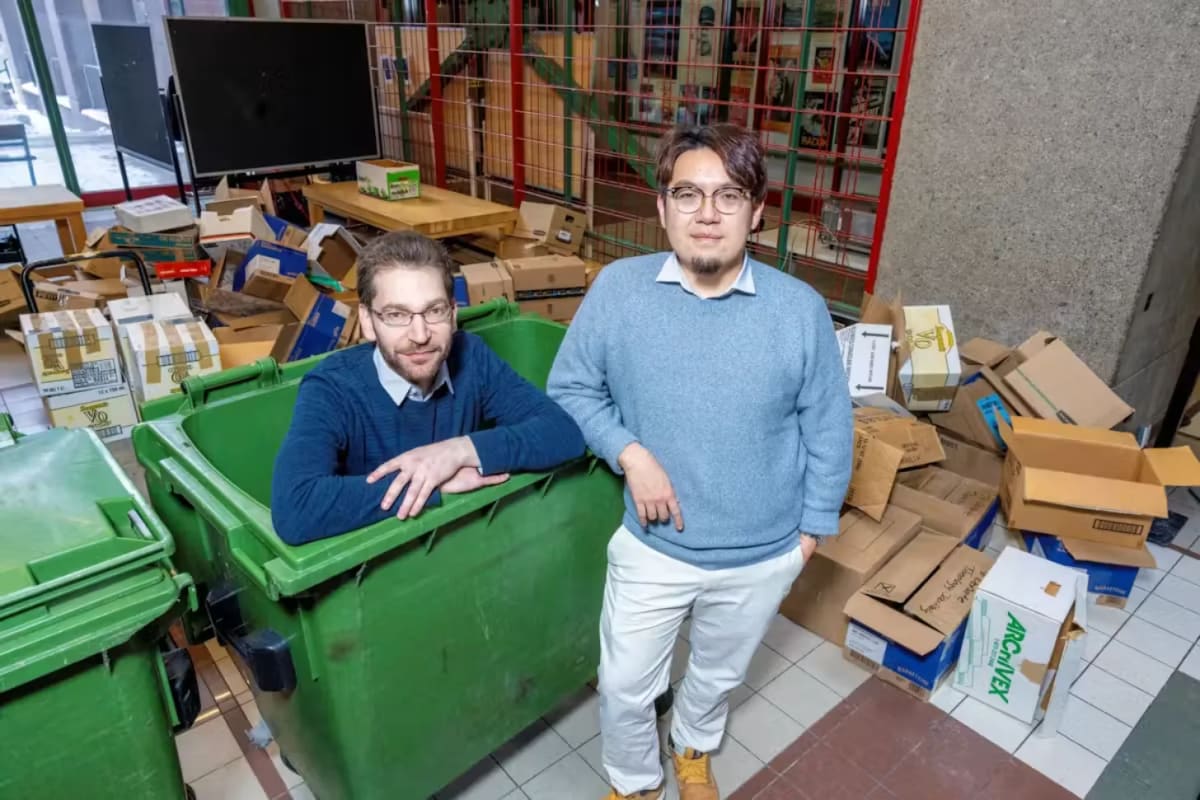
Jonathan Wilansky and Kailun Cao from Concordia University wanted to find simple ways municipalities could boost recycling without overhauling their entire systems. They found something surprising: communities that collected garbage only every three weeks or longer had significantly higher recycling and composting rates than those with weekly pickup.
The reason makes sense when you think about it. Nobody wants smelly trash sitting around for weeks, especially rotting food scraps. That inconvenience motivates people to actually use their recycling and compost bins instead of tossing everything in the garbage.
The timing matters for this research. Canada produces nearly 40 million tons of waste annually, but only recycles about 27% of it. Meanwhile, Wales has achieved a 64% recycling rate and climbing. The gap shows there's enormous room for improvement.
The Bright Side
The beauty of these findings is that cities don't need expensive new programs or technologies to boost recycling. They can work with what they already have by simply adjusting pickup schedules.
The study found three policy changes that work best together: weekly food waste collection, garbage pickup every three weeks, and free yard waste collection. Free matters because fees create barriers that discourage participation.
Weekly food waste collection proved especially powerful. It keeps methane-producing scraps out of landfills while turning them into useful fertilizer. Plus, when food waste goes in compost bins instead of trash, garbage doesn't smell as bad during those longer waits between pickups.
Interestingly, how often cities collected recycling didn't affect rates at all. Whether pickup happened weekly or biweekly made no difference, suggesting cities can optimize those schedules for efficiency without worrying about participation dropping.
Beyond collection schedules, the research identified education as a key factor. Communities with higher education levels recycled more, suggesting that teaching people why and how to recycle properly makes a real difference.
Wilansky practices what he preaches at home. He keeps food scraps in a small counter container, empties it into a compostable bag in the freezer each night, and finds his actual garbage takes weeks to fill up. No smell, no hassle.
These simple scheduling changes could also reduce costs and emissions by putting fewer garbage trucks on the road. Cities save money while helping the environment.
Wales proved dramatic turnarounds are possible, transforming from one of Europe's worst recycling performers to a global leader in just years. Canada has that same opportunity waiting.
More Images


Based on reporting by Good Good Good
This story was written by BrightWire based on verified news reports.
Spread the positivity!
Share this good news with someone who needs it