College Speeds Up Solar Plan to Beat July 4 Deadline
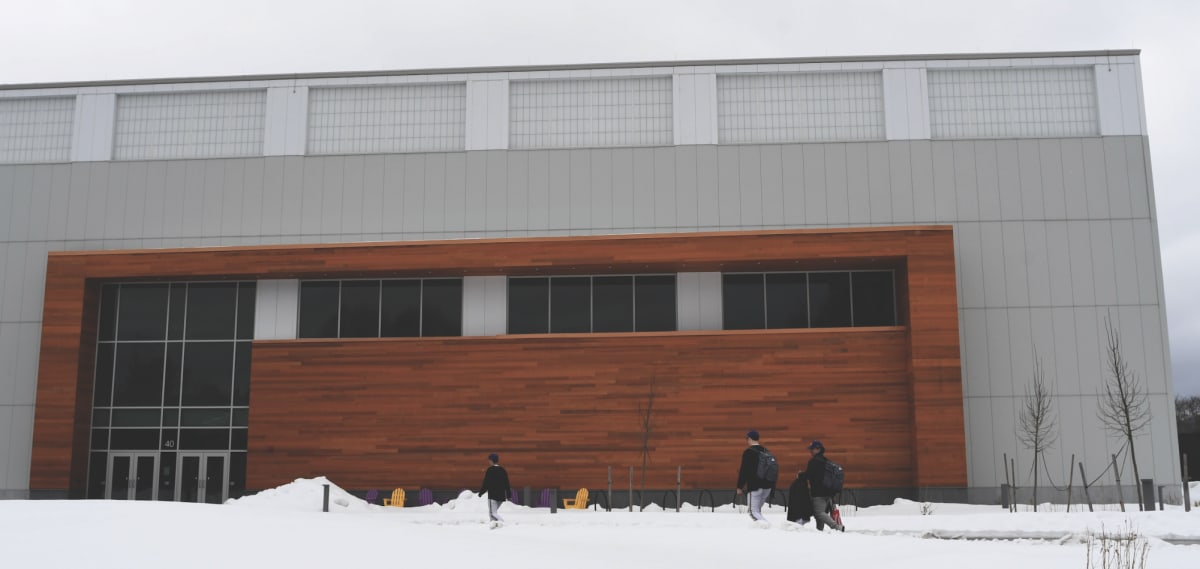
Williams College is racing to install solar panels on its recreation center before a federal tax credit expires this summer. The new array will power 85 homes' worth of electricity and prevent 426 tons of carbon emissions annually.
Williams College is installing a massive solar panel array on its recreation center roof, joining a growing campus effort to generate clean energy on site.
The Board of Trustees approved the project for the Multipurpose Recreation Center, which will produce 870 megawatt-hours of electricity each year. That's enough to power 80 to 85 typical American homes for an entire year while keeping 426 metric tons of carbon dioxide out of the atmosphere.
The college is working fast to meet a July 4 deadline. That's when federal tax credits for solar projects expire under legislation passed last summer. To qualify, construction must begin by Independence Day, pushing the college and utility company National Grid to coordinate installation on an aggressive timeline.
The timing works because the recreation center was designed with solar in mind. Its large roof catches plenty of sunlight, and recent campus electrical upgrades made connecting a new solar array possible.
This isn't the college's first solar project. Last year, Williams installed rooftop panels on two other buildings, and plans are underway for another array at the campus boathouse on Lake Onota in Pittsfield.
The Ripple Effect
The new solar panels will offset 4 percent of the college's annual electricity use from the grid. While that might sound modest, it represents real progress toward carbon neutrality at educational institutions nationwide.
Williams is also navigating federal requirements that prohibit using materials from companies controlled by certain foreign governments, including China. Despite these restrictions, the project is moving forward as planned.
Executive Director of the Zilkha Center for the Environment Tanja Srebotnjak says the college is thinking beyond just adding solar capacity. The school is exploring a broader partnership with its electric utility to make future renewable projects easier while working to reduce overall energy consumption through efficiency improvements.
The combination of generating more clean energy and using less power overall shows how institutions can make meaningful climate progress even on tight deadlines. Sometimes a looming deadline is exactly what sparks real action.
More Images


Based on reporting by Google: renewable energy record
This story was written by BrightWire based on verified news reports.
Spread the positivity!
Share this good news with someone who needs it