Colombia Quake Sparks $22M Aid Pledge, Volunteer Army
After a devastating 7.4-magnitude earthquake struck Colombia, thousands of volunteers joined professional rescuers while the US pledged $22 million in emergency aid. The global response shows how tragedy can unite communities across borders.
When a 7.4-magnitude earthquake shook western Colombia on Monday, the world responded with an outpouring of support that has given hope to a nation in crisis.
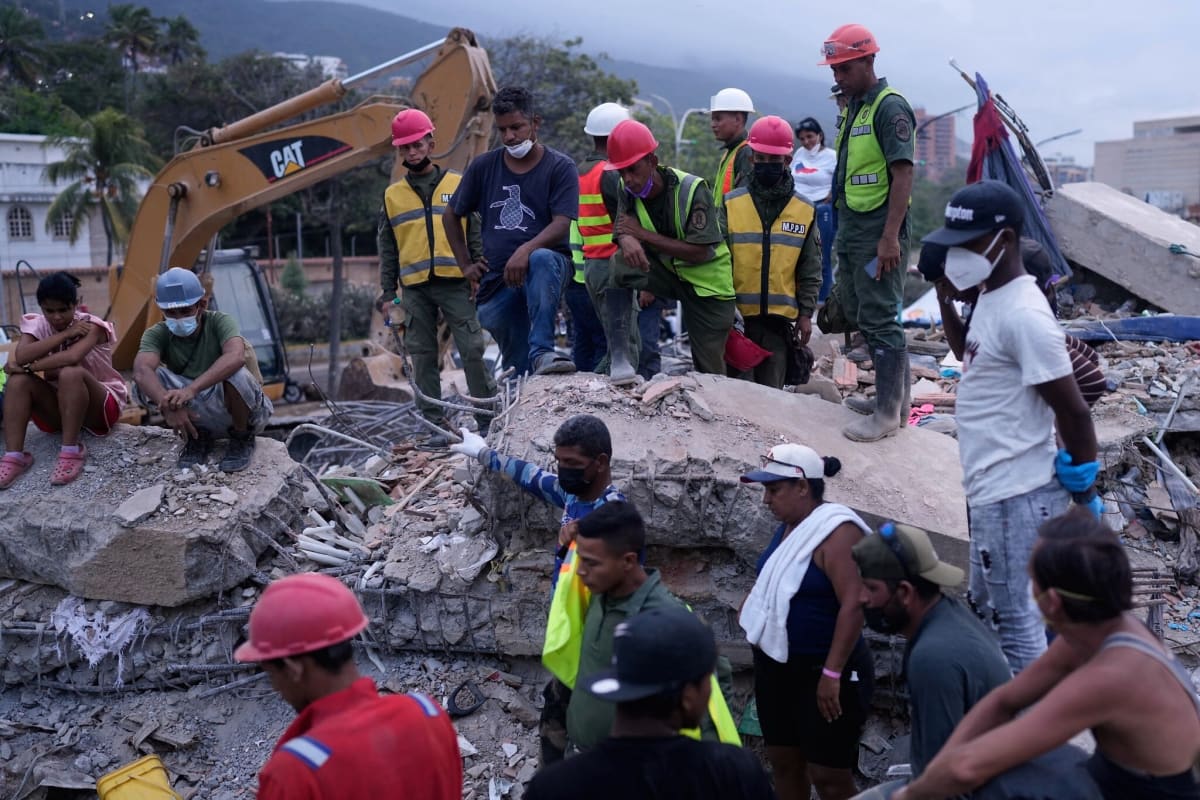
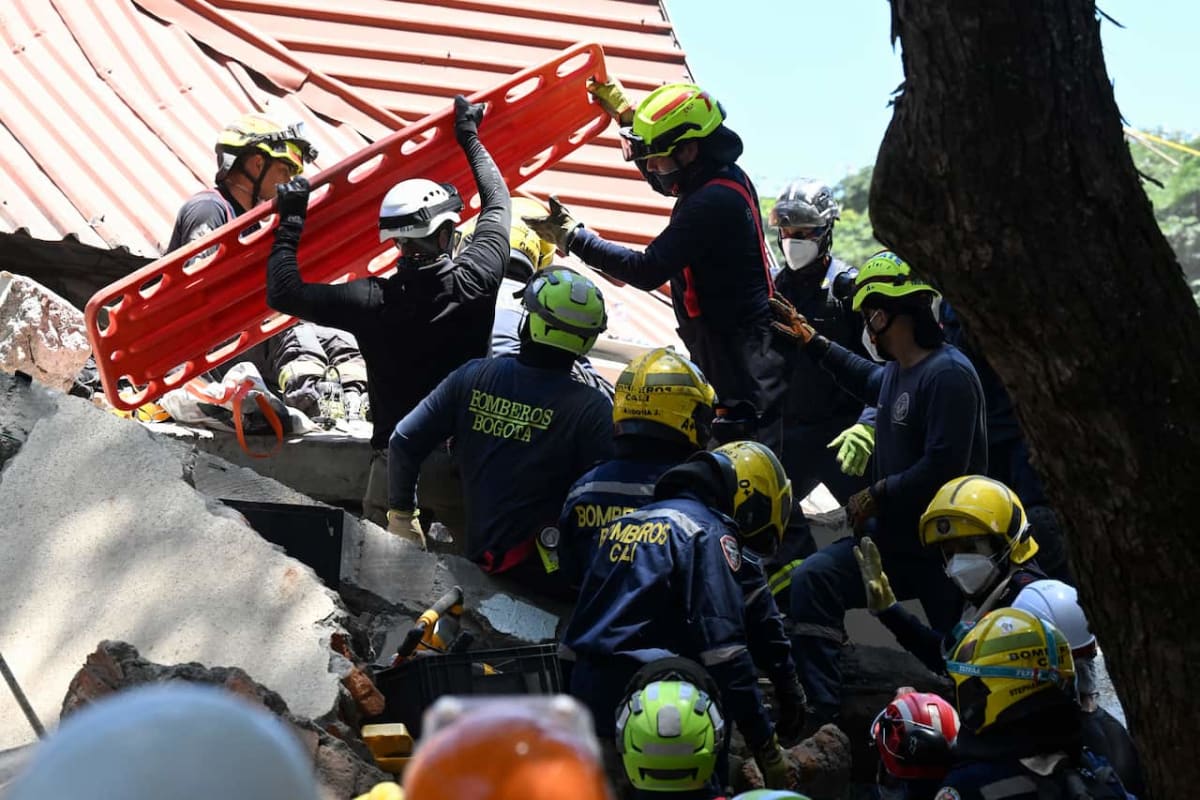
The powerful quake has claimed at least 241 lives and injured over 1,670 people across the cities of Cali, Pereira, Manizales, and Quibdo. But amid the devastation, stories of humanity have emerged as thousands of Colombian volunteers joined professional rescue teams, working through the night to pull survivors from collapsed buildings.
Small victories have punctuated the desperate search efforts. Rescuers pulled a dust-covered baby through a crack in a concrete wall as crowds held their breath. Teams lifted a woman onto a stretcher to cheers from onlookers who had waited hours for signs of life.
The international community moved quickly to help. The United States pledged over $22 million in emergency aid to support recovery efforts. Mexico's president promised to send hundreds of search and rescue workers, health professionals, and tons of medical supplies.
El Salvador is dispatching two planes loaded with 100 tons of aid in the coming days. President Nayib Bukele offered prayers for the victims and their families, joining a chorus of global support.
The Ripple Effect
The humanitarian response has been strengthened by an unexpected advantage. Aid organizations were already positioned in some of the hardest-hit areas because of ongoing peace process work following Colombia's 2016 peace accord.
"We have a presence on the ground. Therefore, our ability to be there, present with the people, has increased exponentially," said María José Torres, the UN resident coordinator in Colombia. The existing infrastructure means food, water, and emergency supplies can reach vulnerable communities faster than would normally be possible.
Nonprofit organizations and aid agencies continue working around the clock, racing against the critical 48 to 72-hour window when survivors are most likely to be found alive. Their efforts show how prepared communities can turn tragedy into coordinated action.
The global response demonstrates that even in Colombia's darkest hour, the world stands ready to help rebuild.
More Images

Based on reporting by SBS Australia
This story was written by BrightWire based on verified news reports.
Spread the positivity!
Share this good news with someone who needs it