Colombia Turns Plastic Waste Into Homes in Just 5 Days
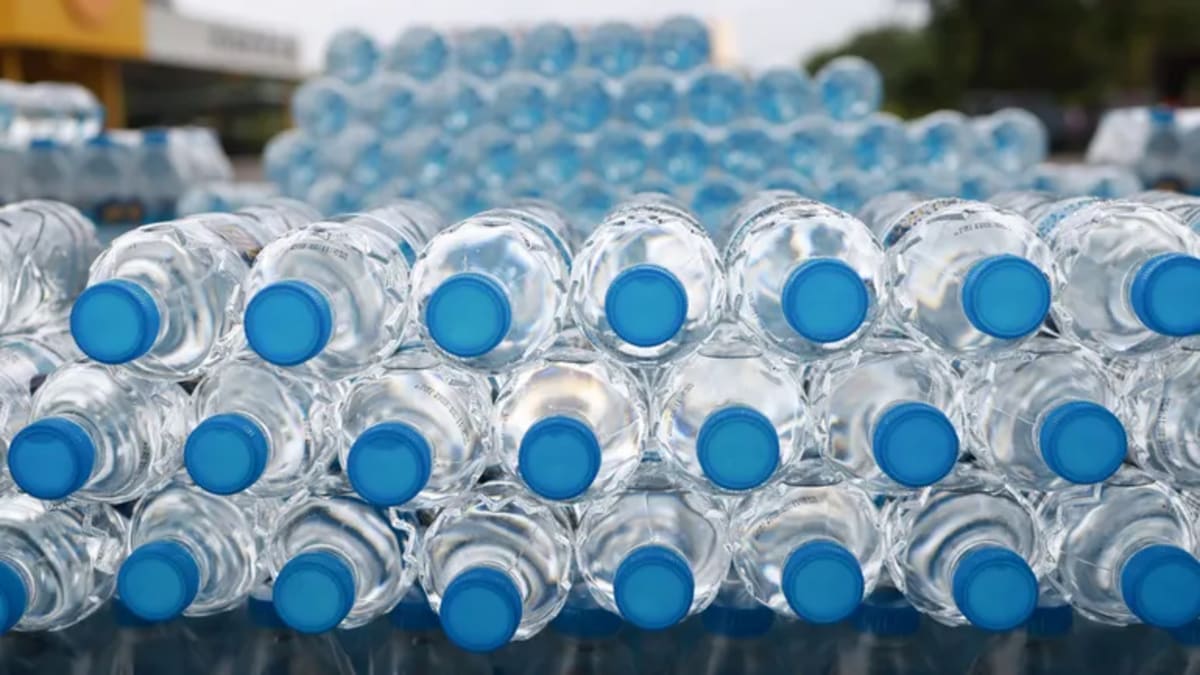
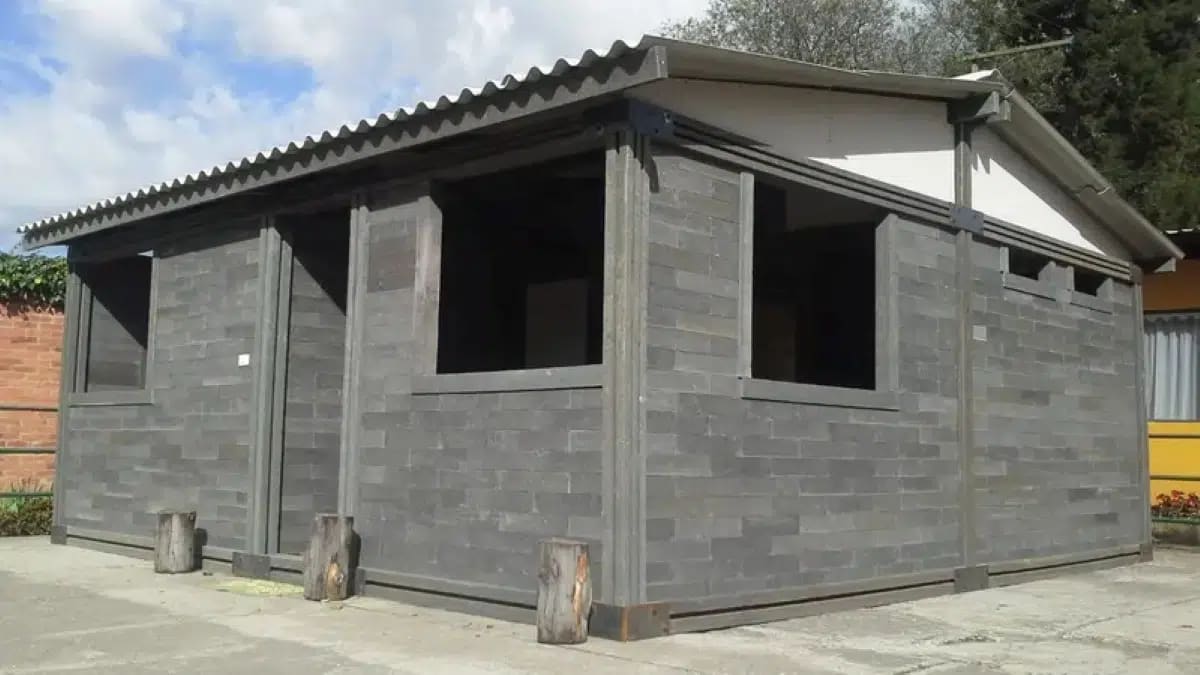
A Colombian company is building affordable two-story houses from recycled plastic blocks in less than a week. The innovation tackles both housing shortages and plastic pollution at once.
Imagine building a complete home in five days using materials that would otherwise sit in landfills for centuries. That's exactly what's happening in Colombia, where an innovative company is turning plastic waste into housing solutions.
Conceptos Plásticos has developed a modular building system that transforms recycled plastic into interlocking blocks. Founded by engineers Fernando Llanos and Óscar Méndez, the company originally sought a lighter alternative to transport materials to remote areas. What they created instead was a construction revolution.
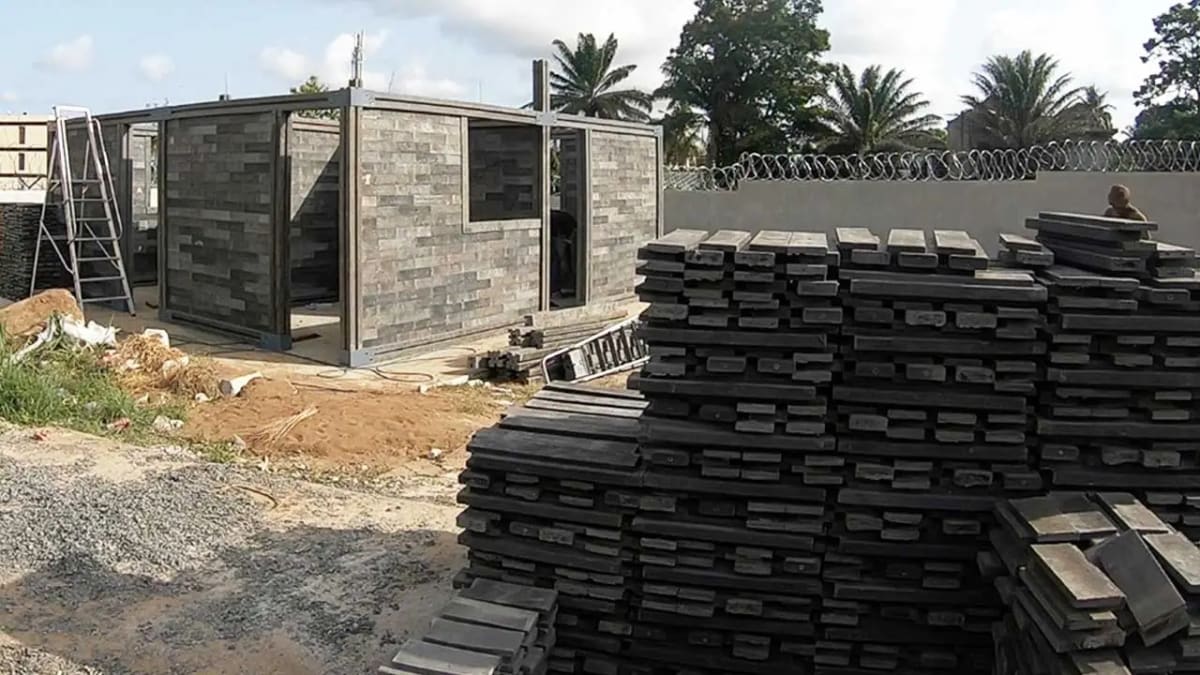
The process starts with plastic waste that gets melted down and molded through extrusion. The resulting blocks snap together like giant LEGO pieces, requiring minimal mortar and no specialized construction skills. This simplicity means communities can build their own homes up to two stories high.
Speed and affordability make this system remarkable. A basic home costs around $6,800, significantly less than traditional construction. In the coastal town of Guapi, 42 families moved into new plastic-block homes after just days of assembly.
The lightweight blocks solve practical problems too. Transportation to remote villages becomes easier, opening housing opportunities in areas where traditional materials are difficult or expensive to deliver.
The Ripple Effect
This innovation creates wins across multiple challenges. Every home diverts tons of plastic from oceans and landfills, giving new purpose to materials that take hundreds of years to decompose naturally. The circular economy model turns environmental liability into community asset.
The social impact extends beyond shelter. Families gain stable housing quickly during emergencies or displacement. Communities participate in building their own neighborhoods. Local economies benefit from plastic collection and processing jobs.
Traditional construction generates massive carbon emissions through cement production and material transport. This plastic-block system dramatically reduces both, cutting the environmental footprint while addressing pollution. It's solving one crisis with another.
The model is already expanding beyond Colombia. Other countries facing similar challenges with housing access and plastic waste are exploring adoption. The technology requires no proprietary equipment, making replication feasible for communities worldwide.
What started as a logistics problem has become a blueprint for sustainable development. This approach proves that waste isn't waste until we waste it.
More Images
Based on reporting by Regional: colombia innovation (CO)
This story was written by BrightWire based on verified news reports.
Spread the positivity!
Share this good news with someone who needs it