PET Bottle Industry Plans 57% Emissions Cut by 2050
America's most recycled plastic has a new plan to slash its carbon footprint while supporting domestic manufacturing. The roadmap shows how PET beverage bottles can cut emissions dramatically without sacrificing growth.
The plastic bottle industry just charted a path to dramatically reduce its environmental impact while strengthening American manufacturing jobs.
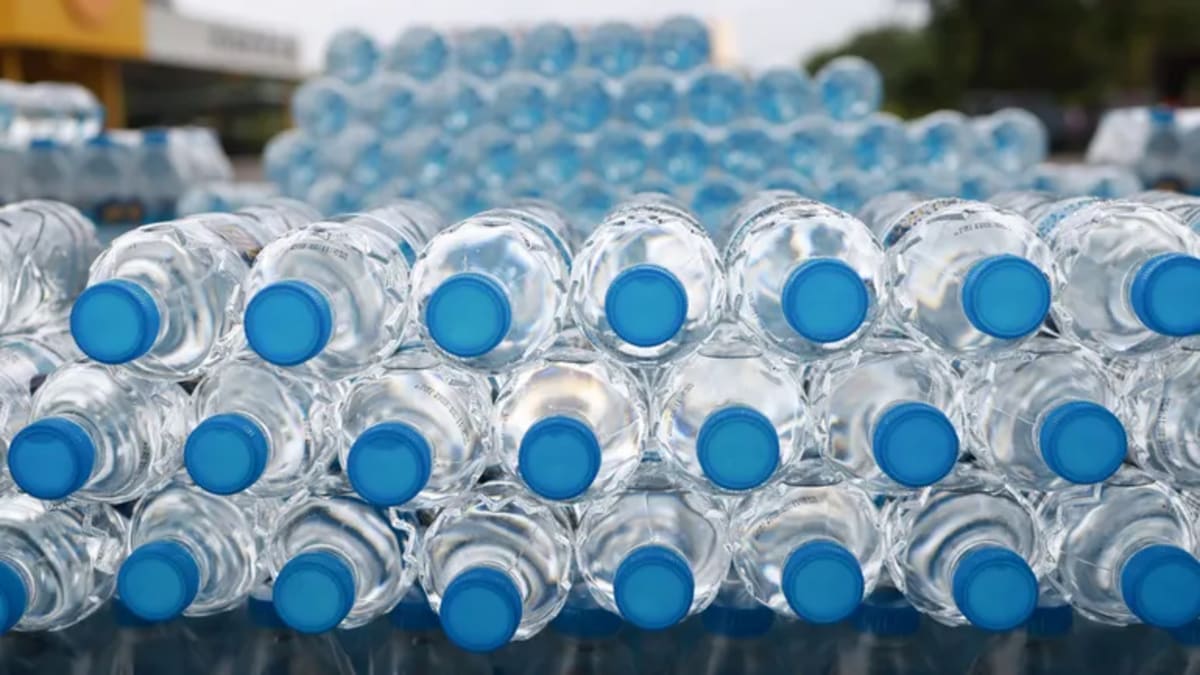
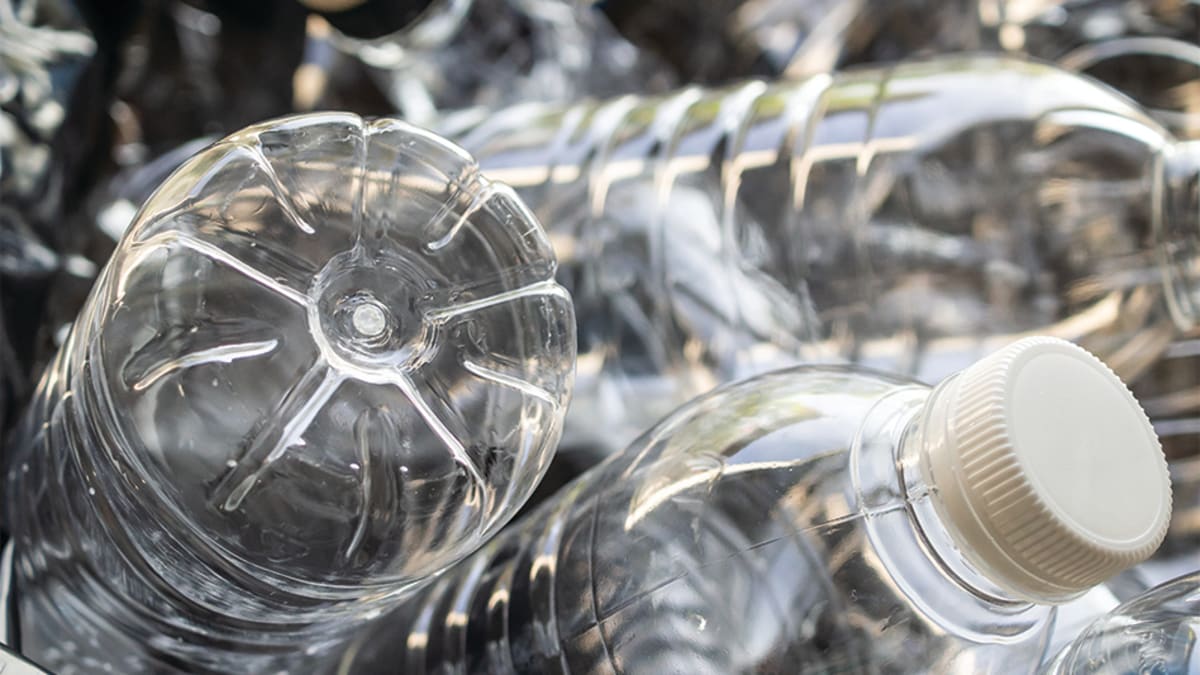
The National Association for PET Container Resources released a comprehensive roadmap showing how polyethylene terephthalate (PET) beverage bottles can cut their greenhouse gas emissions intensity by 57 percent by 2050. PET is already the world's most recycled plastic, and these bottles are now positioned to become even cleaner.
The analysis examined the four most common PET beverage bottles sold in America: water bottles and soda bottles in various sizes. Researchers tracked emissions across each bottle's entire journey, from raw materials through recycling or disposal.
The news gets better for the near term. A typical water bottle system could reduce its emissions intensity by 44 percent by 2035 compared to 2023 levels. Soda bottles could achieve 35 to 43 percent reductions over the same period.
What makes this roadmap particularly promising is that it doesn't rely on future technological breakthroughs. The industry can start making progress immediately using existing strategies like making bottles lighter, switching to renewable energy, and improving manufacturing efficiency.
PET bottles already start with an advantage. A typical PET soda bottle produces less than half the greenhouse gas emissions of an aluminum can and about one fifth that of a glass bottle.
The Ripple Effect
This roadmap demonstrates something important: environmental progress and economic growth can work together instead of competing. When Americans recycle more PET bottles domestically, it creates jobs and strengthens manufacturing here at home.
The investments needed to reduce emissions are the same investments that build American recycling capacity and manufacturing infrastructure. Better collection systems mean more high quality recycled material for U.S. factories to use.
Laura Stewart, executive director of NAPCOR, emphasizes that recycling strengthens the domestic supply chain. Policies supporting collection and recycling infrastructure can accelerate environmental progress while boosting American manufacturing and supply chain resilience.
The roadmap identifies which actions bottle manufacturers can take directly and which require broader collaboration. Companies can immediately improve bottle design, energy efficiency, and production processes. Deeper long term gains depend on factors like reliable supplies of recycled PET, stronger collection infrastructure, and supportive policies.
Independent environmental consulting firm Eastern Research Group developed the analysis, and independent experts peer reviewed the final report. The roadmap meets ISO compliance standards and includes sensitivity analyses to account for variables like production growth and different recycling approaches.
Even as beverage production grows to meet consumer demand, total annual emissions from the studied bottle systems could decline by 42 percent by 2050. That means more products with less environmental impact.
This plan shows America can meet growing consumer needs while continuously improving environmental performance.
More Images
Based on reporting by Google News - Emissions Reduction
This story was written by BrightWire based on verified news reports.
Spread the positivity!
Share this good news with someone who needs it